


The Moral Stakes of Budgeting
Celina Su's Budget Justice is a call to reengage citizenry and build solidarity through participatory democracy.
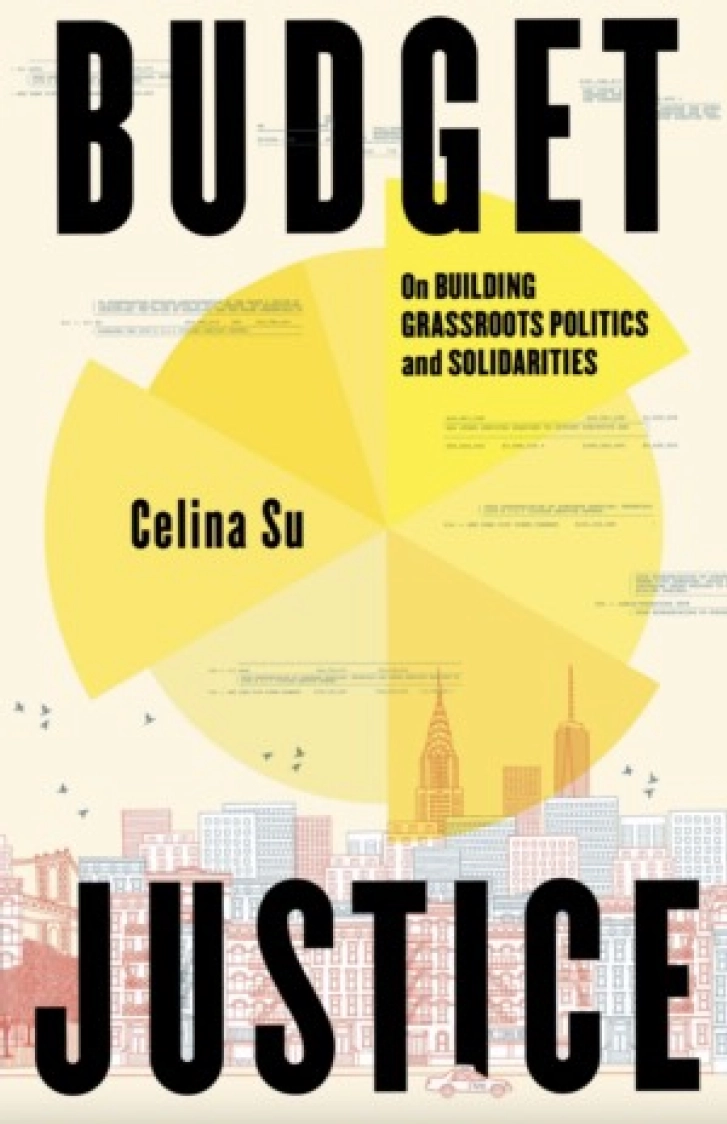
Celina Su's Budget Justice is a call to reengage citizenry and build solidarity through participatory democracy.

A grassroots collective of Iraqi entrepreneurs softened their ambitions when faced with funding shortfalls and corporate offers.
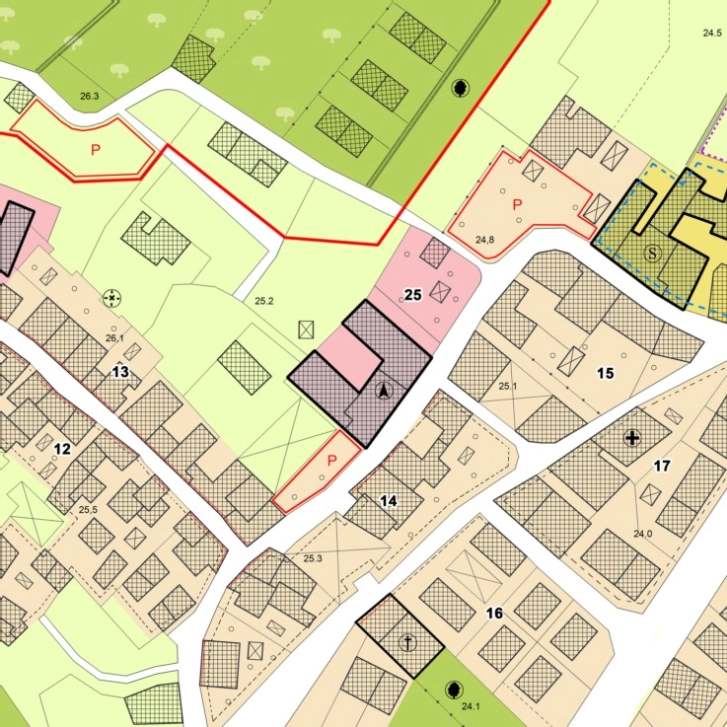
Smart Growth America's new Center for Zoning Solutions offers a headquarters for the zoning reform movement.
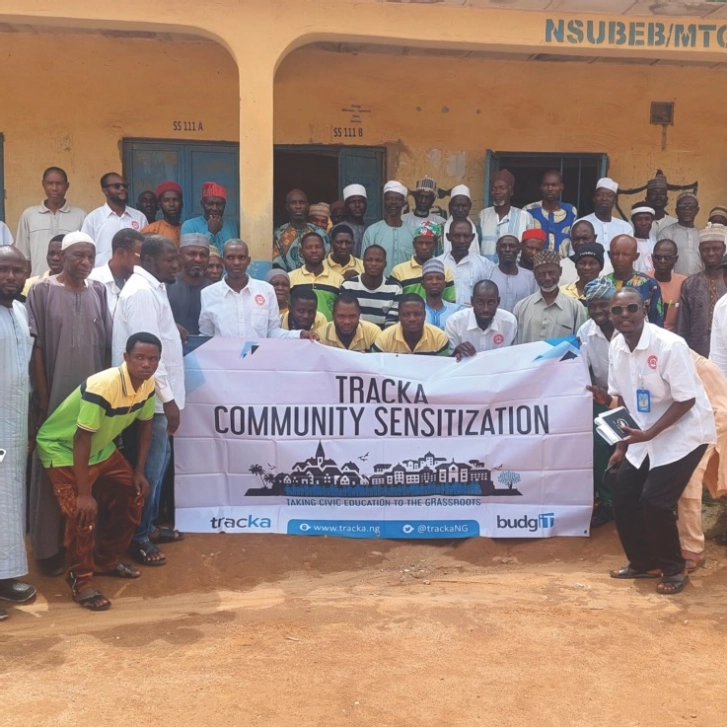
Tracka seeks to close the accountability gap between the Nigerian government and its citizens.

Randomized controlled trials are touted as the benchmark for evaluating social programs. The social sector should focus instead on an improvement orientation to evaluating performance. | Open access to this article made possible by the Crown Family School of Social Work, Policy, and Practice at the University of Chicago


Funders are calling for more program evaluation, but nonprofits are often collecting dubious data, at great cost to themselves and ultimately to the people they serve.

Large-scale social change requires broad cross-sector coordination, not the isolated intervention of individual organizations.

For NGOs, impact comes in different forms and to track the cycles of social change work, we must think across the tangibility and the speed of emergence of change.

With an understanding of these 10 funding models, nonprofit leaders can use the for-profit world's valuable practice of engaging in succinct and clear conversations about long-term financial strategy.

Social entrepreneurship is attracting growing amounts of talent, money, and attention, but along with its increasing popularity has come less certainty about what exactly a social entrepreneur is and does.