


Major Giving Must Be Central
An excerpt from A Better Way to Fundraise on making major giving the operating system for fundraising
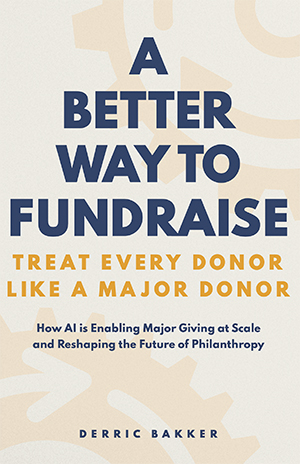
An excerpt from A Better Way to Fundraise on making major giving the operating system for fundraising

Choice, agency, and how to design a learning system where private gain and public good reinforce each other.
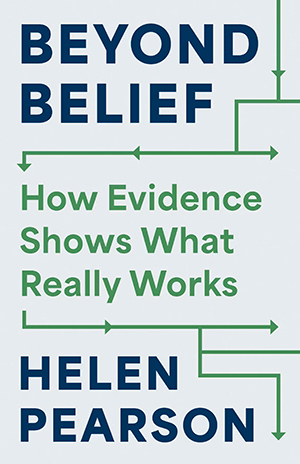
An excerpt from Beyond Belief on building the evidence revolution in Washington

What the research says about education, jobs, AI, and what students will need to succeed as future workers and citizens.

The William and Flora Hewlett Foundation and the Stuart Foundation are pleased to co-sponsor this series of diverse essays on the purpose of public education. The authors write from different vantage points, but each takes seriously a core question: In a time of widespread change, what is public education for, and how can it evolve to meet its promise?


Funders are calling for more program evaluation, but nonprofits are often collecting dubious data, at great cost to themselves and ultimately to the people they serve.

Large-scale social change requires broad cross-sector coordination, not the isolated intervention of individual organizations.

For NGOs, impact comes in different forms and to track the cycles of social change work, we must think across the tangibility and the speed of emergence of change.

With an understanding of these 10 funding models, nonprofit leaders can use the for-profit world's valuable practice of engaging in succinct and clear conversations about long-term financial strategy.

Social entrepreneurship is attracting growing amounts of talent, money, and attention, but along with its increasing popularity has come less certainty about what exactly a social entrepreneur is and does.