


The Knights of COVID-19
The Swedish model of relying more on civic-minded ethics than on government restrictions has proved to be an outlier worldwide.

The Swedish model of relying more on civic-minded ethics than on government restrictions has proved to be an outlier worldwide.
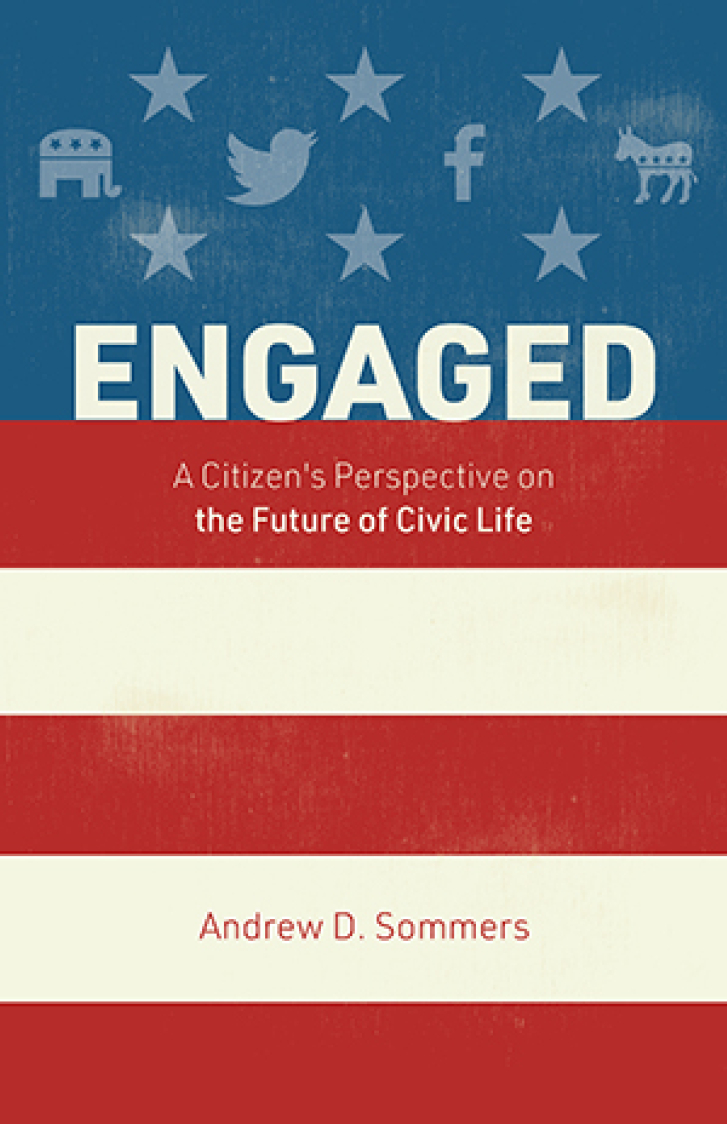
A new excerpt from Engaged guides us to create a more active citizenship and democracy.

A call for organizations to mitigate the risk of change in the social media landscape by strategically decoupling themselves from platforms that are causing harm.

Following a landmark national election in the United States, we present a series of reflections on the outcome and its effects on civil society and the social sector.
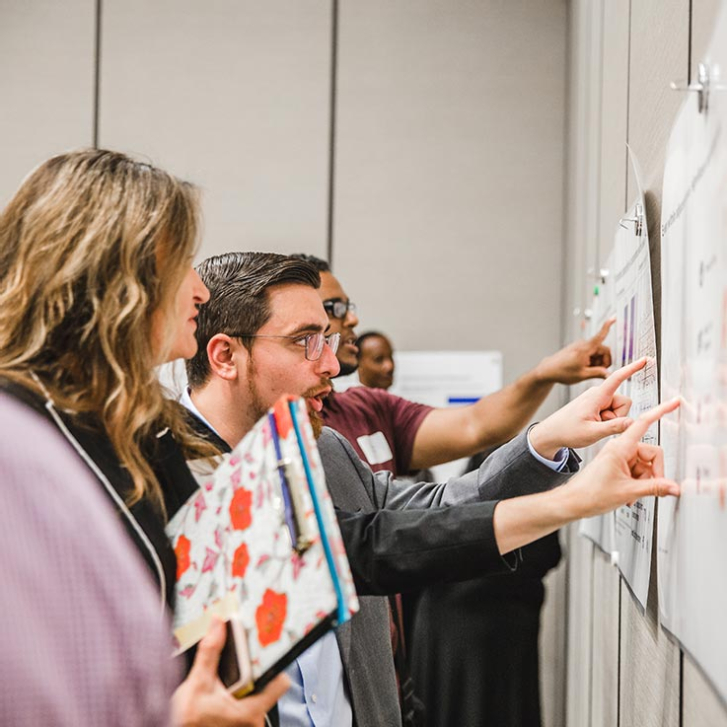
Establishing a shared understanding of Fresno’s racist policies and practices is key to how The Shared Prosperity Partnership will share power with residents who have been routinely excluded.


Large-scale social change requires broad cross-sector coordination, not the isolated intervention of individual organizations.

With an understanding of these 10 funding models, nonprofit leaders can use the for-profit world's valuable practice of engaging in succinct and clear conversations about long-term financial strategy.

Professionalism has become coded language for white favoritism in workplace practices that more often than not leave behind people of color. This is the fourth of 10 articles in a special series about diversity, equity, and inclusion.

By working closely with the clients and consumers, design thinking allows high-impact solutions to social problems to bubble up from below rather than being imposed from the top.

Five principles based in social science that will help organizations connect their work to what people care most about.