


Coronavirus and Social Change
Read the latest articles in the series on civil society's response to the pandemic:
• Long-Term Change Amid the Crisis
• Businesses in the Developing World

Read the latest articles in the series on civil society's response to the pandemic:
• Long-Term Change Amid the Crisis
• Businesses in the Developing World

How do Latin American women not only defy gender norms to become entrepreneurs, but turn their own emancipation into societal change-making?
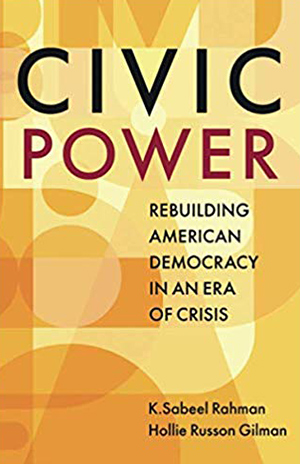
An excerpt from a new book on rebuilding American democracy in an era of crisis.
Good civic health looks like people making meaningful connections with their neighbors, public officials, and contributing to governance decision-making. But what will become of civic life during COVID-19 Part of the series Rethinking Social Change in the Face of Coronavirus.

How the social sector and Stanford Social Innovation Review are responding now and preparing for what comes next. Part of the series Rethinking Social Change in the Face of Coronavirus.


Large-scale social change requires broad cross-sector coordination, not the isolated intervention of individual organizations.

With an understanding of these 10 funding models, nonprofit leaders can use the for-profit world's valuable practice of engaging in succinct and clear conversations about long-term financial strategy.

Professionalism has become coded language for white favoritism in workplace practices that more often than not leave behind people of color. This is the fourth of 10 articles in a special series about diversity, equity, and inclusion.

By working closely with the clients and consumers, design thinking allows high-impact solutions to social problems to bubble up from below rather than being imposed from the top.

Five principles based in social science that will help organizations connect their work to what people care most about.