


Investigative Journalism Pioneers
The Organized Crime and Corruption Reporting Project conducts cross-border investigations targeting the world’s most corrupt—from oligarchs and misogynist influencers to political elites.
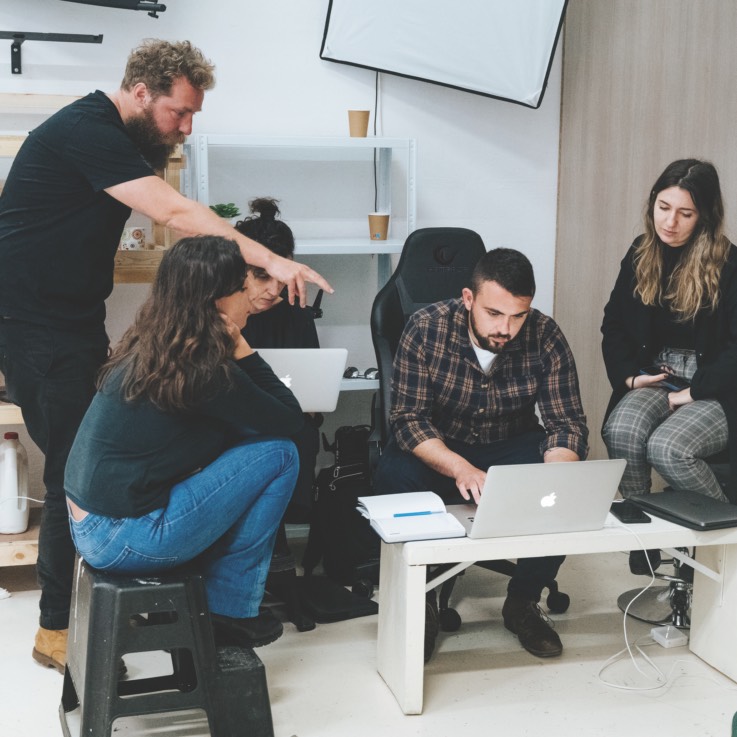
The Organized Crime and Corruption Reporting Project conducts cross-border investigations targeting the world’s most corrupt—from oligarchs and misogynist influencers to political elites.
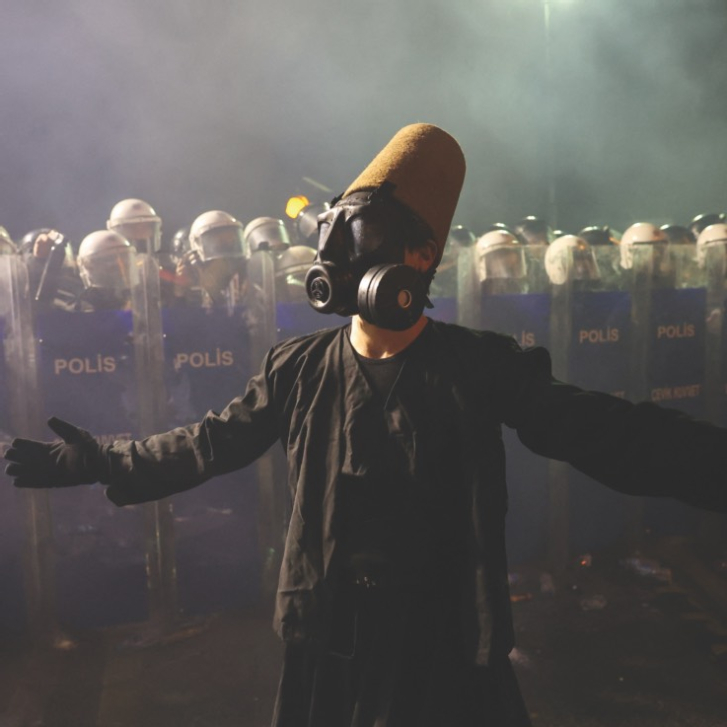
“The act of protest, particularly when embodied through rituals such as the whirling of the dervish, exposes a deep tension between the autonomy of the individual and the forces of control exerted by the state.”
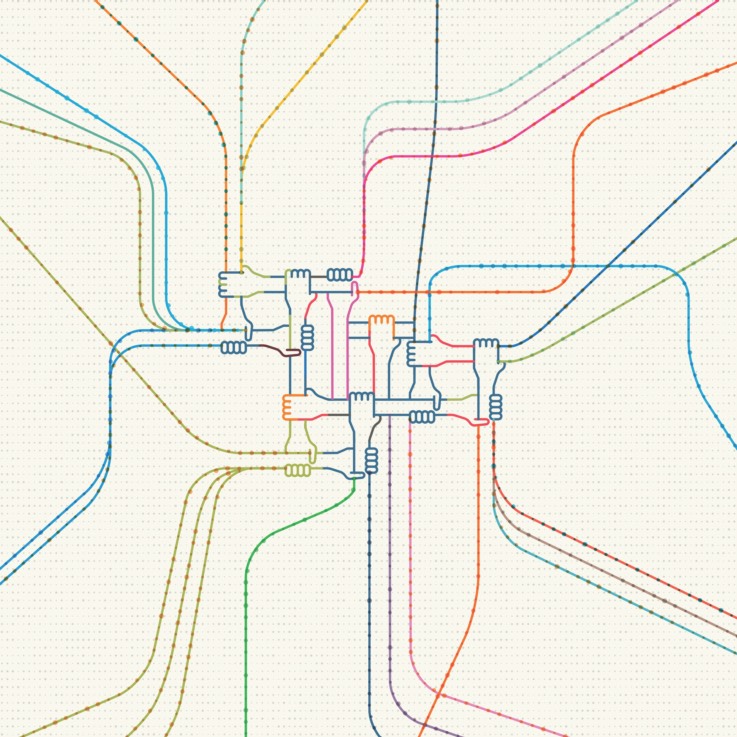
As promoters and defenders of a free civil society, we at SSIR today find ourselves taking sides: We stand with you as allies against the rise of authoritarianism in the United States and abroad.

Queer Voices’ audio-walking tours re-create LGBTQ+ history in Leipzig and Halle in former East Germany.
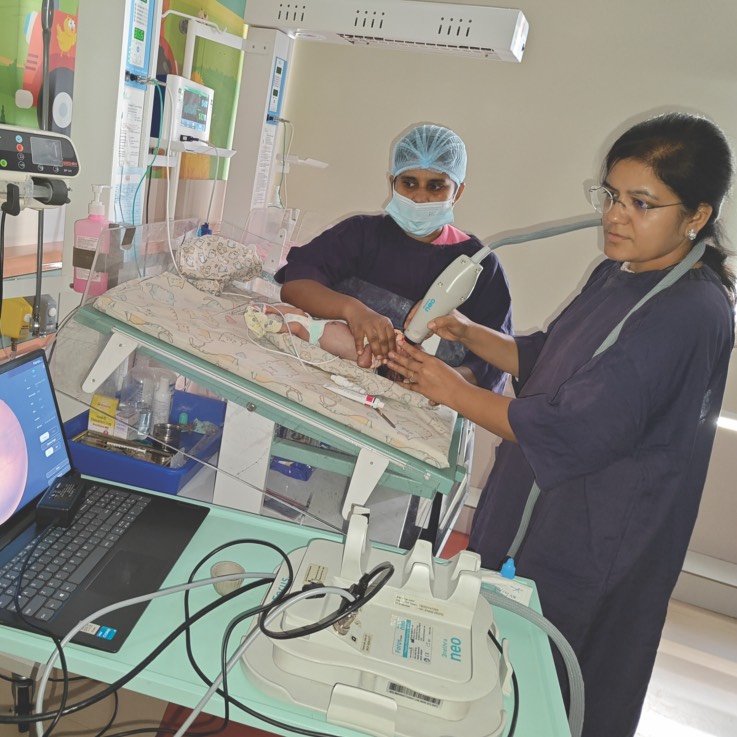
A telemedicine-based screening program is saving babies from preventable blindness in India’s most remote regions.


Large-scale social change requires broad cross-sector coordination, not the isolated intervention of individual organizations.

With an understanding of these 10 funding models, nonprofit leaders can use the for-profit world's valuable practice of engaging in succinct and clear conversations about long-term financial strategy.

Professionalism has become coded language for white favoritism in workplace practices that more often than not leave behind people of color. This is the fourth of 10 articles in a special series about diversity, equity, and inclusion.

By working closely with the clients and consumers, design thinking allows high-impact solutions to social problems to bubble up from below rather than being imposed from the top.

Five principles based in social science that will help organizations connect their work to what people care most about.