


sponsored
Building Schools Worth Defending
A response to nine essays on renewing the purpose of public education

A response to nine essays on renewing the purpose of public education

Quality, not access, will define the future of global health. We've developed a platform to improve health-care quality worldwide.

The next era of public education will be judged less by the elegance of its ideas than by whether it responds, with humility and pragmatism, to the people it exists to serve.

Green hydrogen partnerships in the Middle East and North Africa are sidelining the civil society organizations they claim to empower, repeating the sins of colonialism.
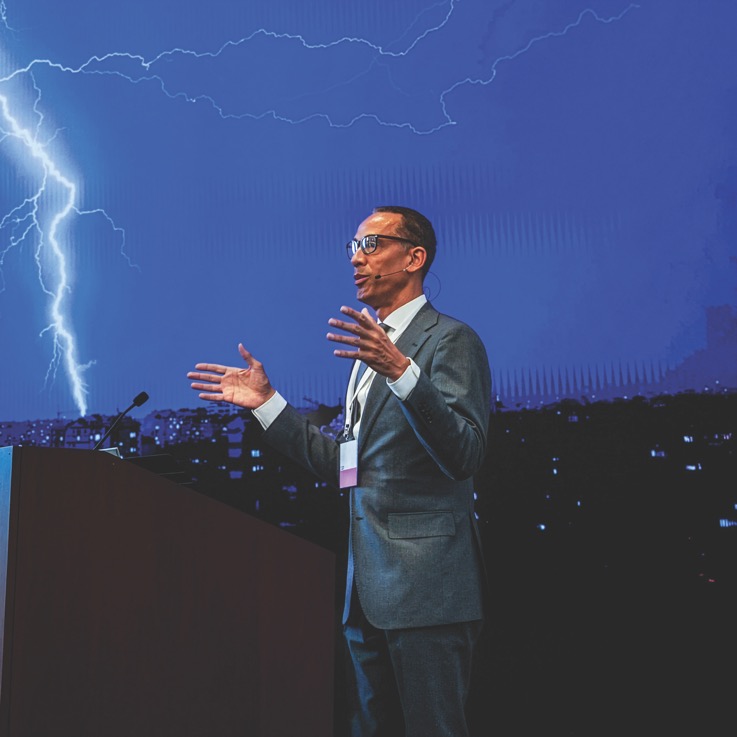
The Making Missing Markets initiative is marshaling funds and support groups to help towns across the United States.


Large-scale social change requires broad cross-sector coordination, not the isolated intervention of individual organizations.

With an understanding of these 10 funding models, nonprofit leaders can use the for-profit world's valuable practice of engaging in succinct and clear conversations about long-term financial strategy.

Professionalism has become coded language for white favoritism in workplace practices that more often than not leave behind people of color. This is the fourth of 10 articles in a special series about diversity, equity, and inclusion.

By working closely with the clients and consumers, design thinking allows high-impact solutions to social problems to bubble up from below rather than being imposed from the top.

Five principles based in social science that will help organizations connect their work to what people care most about.