


sponsored
The Gyms on the Corners
Recognition, distortion, and the organizing infrastructure behind Minnesota's response to Operation Metro Surge.
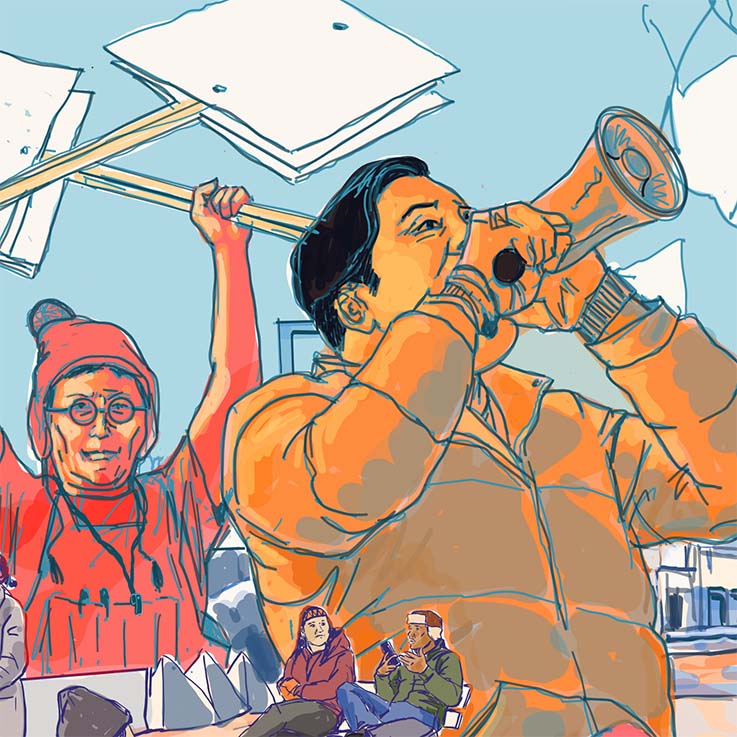
Recognition, distortion, and the organizing infrastructure behind Minnesota's response to Operation Metro Surge.
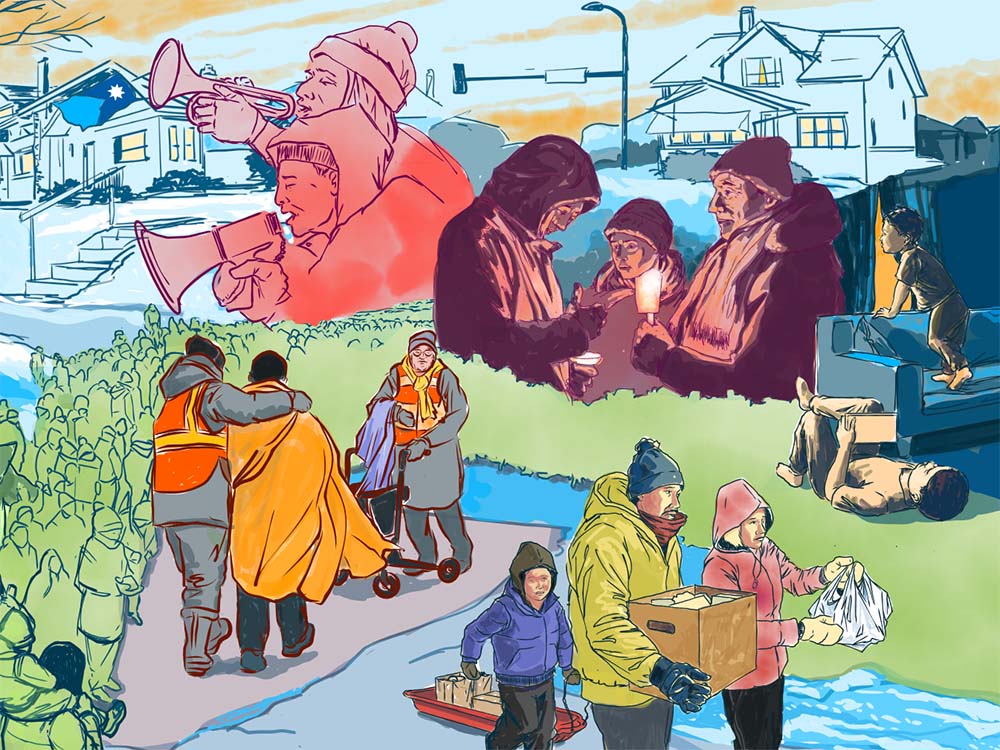
This article series, produced in partnership with and sponsored by the McKnight Foundation, brings together foundation leaders, community partners, and a mutual aid organizer to reflect on what happened during Operation Metro Surge in Minneapolis.

The agricultural city of Fundão, Portugal, is integrating foreign migrants to help with fire mitigation, climate resiliency, and rural revitalization.

Ruta Azul, the sustainability and climate action plan of the Mexican university Tecnológico de Monterrey, has integrated sustainability into the school’s culture and educational model to build a community capable of addressing the climate crisis through coordinated action.

How an innovative public-private partnership responded rapidly to keep 82,000 families fed during a government shutdown.


Large-scale social change requires broad cross-sector coordination, not the isolated intervention of individual organizations.

With an understanding of these 10 funding models, nonprofit leaders can use the for-profit world's valuable practice of engaging in succinct and clear conversations about long-term financial strategy.

Professionalism has become coded language for white favoritism in workplace practices that more often than not leave behind people of color. This is the fourth of 10 articles in a special series about diversity, equity, and inclusion.

By working closely with the clients and consumers, design thinking allows high-impact solutions to social problems to bubble up from below rather than being imposed from the top.

Five principles based in social science that will help organizations connect their work to what people care most about.