
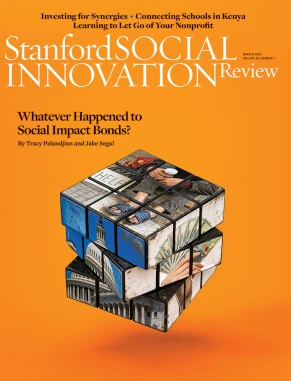

The Trouble With ‘Closing the Racial Wealth Gap’
If we are to go beyond performative gestures, we need to first reckon with the true scale of what must be done.

If we are to go beyond performative gestures, we need to first reckon with the true scale of what must be done.
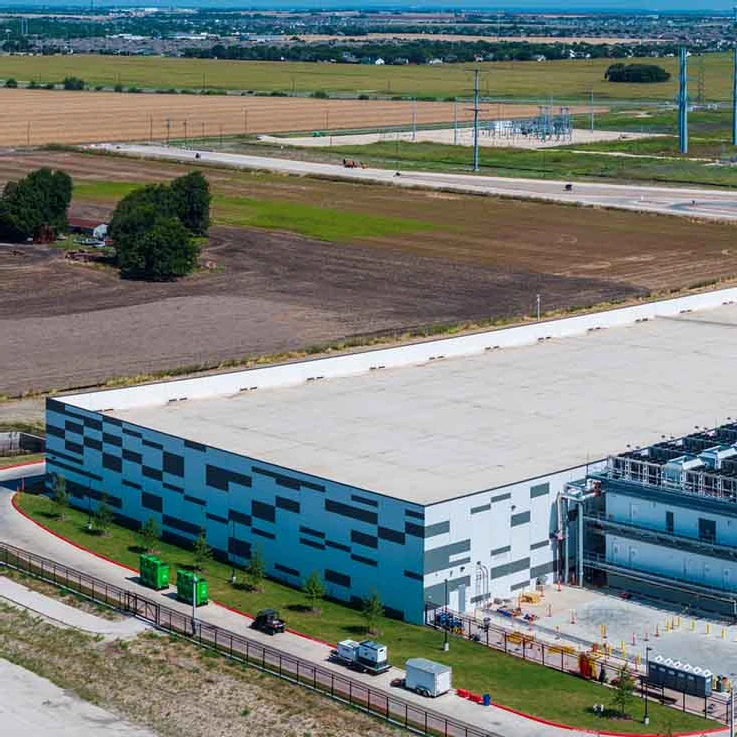
The backlash we are witnessing reflects both a public frustration with how data centers are being built and growing distrust of what the data center build-out is powering. It is a two-tiered problem that must be tackled in tandem.
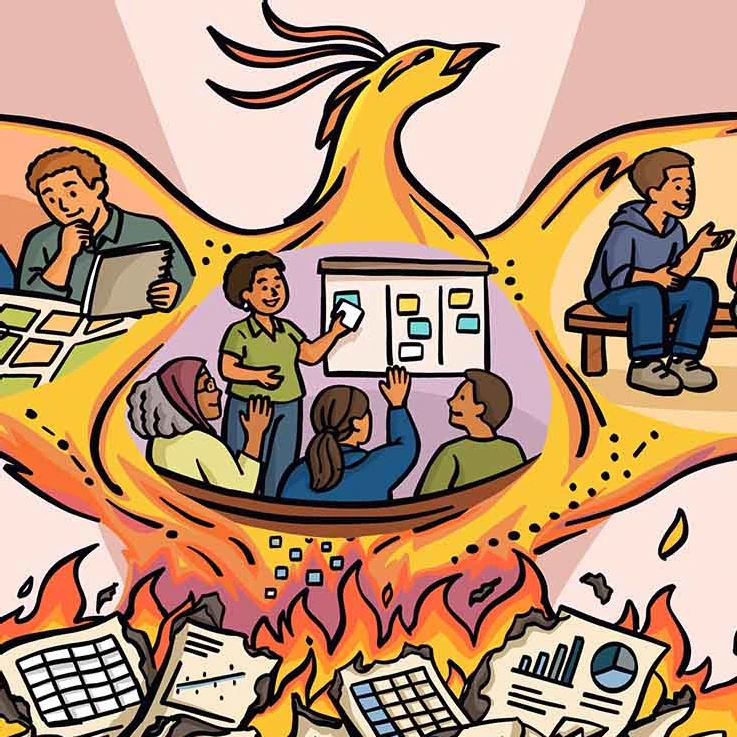
The current federal data system that we've relied on for decades is collapsing. While alarming, we now have a rare opportunity to confront the shortcomings of the old system and reimagine a better, more inclusive data system that truly serves us all.

Ahead of COP31, the test for climate finance is no longer what gets announced; it is whether money reaches the systems that protect people.

As the United States joins the ranks of countries with contracting civic space, some lessons from funders with experience working amidst uncertainty.


Large-scale social change requires broad cross-sector coordination, not the isolated intervention of individual organizations.

With an understanding of these 10 funding models, nonprofit leaders can use the for-profit world's valuable practice of engaging in succinct and clear conversations about long-term financial strategy.

Professionalism has become coded language for white favoritism in workplace practices that more often than not leave behind people of color. This is the fourth of 10 articles in a special series about diversity, equity, and inclusion.

By working closely with the clients and consumers, design thinking allows high-impact solutions to social problems to bubble up from below rather than being imposed from the top.

Five principles based in social science that will help organizations connect their work to what people care most about.