


Crowding Out Racism
Germany’s Mobile Counseling Teams empower local citizens to take back the public sphere from the far right.
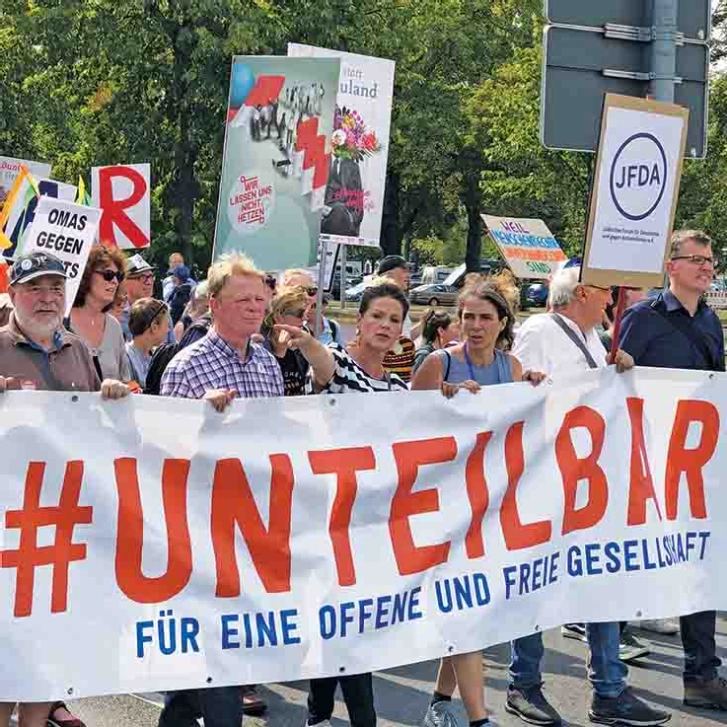
Germany’s Mobile Counseling Teams empower local citizens to take back the public sphere from the far right.
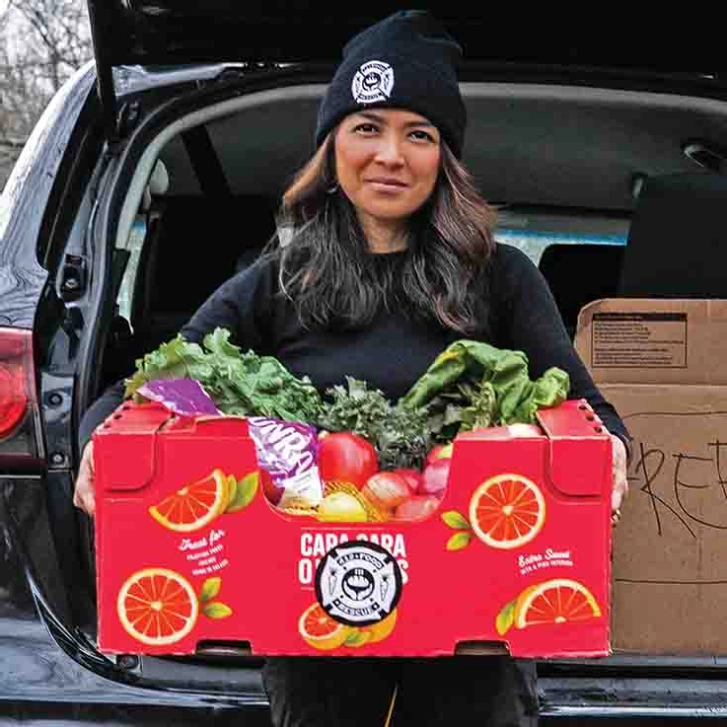
Tech nonprofit Food Rescue Hero has created a promising solution to the intersecting crises of food waste and food insecurity.

Global charity A4ID boosts the ability of NGOs to fight poverty and corruption by connecting them to law firms.
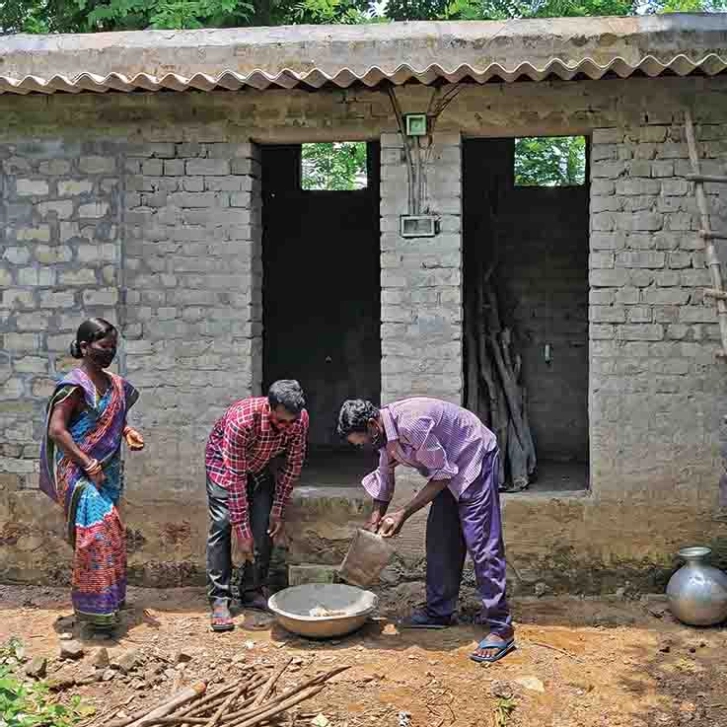
For more than four decades, Gram Vikas has been delivering equitable water and sanitation systems to deprived villages in rural India by training and encouraging them to take ownership of their solutions.

Community health workers, neighborhood clinics, and real-time data bolstered America’s COVID-19 response. They could now form the cornerstone for more equitable health care.


Large-scale social change requires broad cross-sector coordination, not the isolated intervention of individual organizations.

With an understanding of these 10 funding models, nonprofit leaders can use the for-profit world's valuable practice of engaging in succinct and clear conversations about long-term financial strategy.

Professionalism has become coded language for white favoritism in workplace practices that more often than not leave behind people of color. This is the fourth of 10 articles in a special series about diversity, equity, and inclusion.

By working closely with the clients and consumers, design thinking allows high-impact solutions to social problems to bubble up from below rather than being imposed from the top.

Five principles based in social science that will help organizations connect their work to what people care most about.