


Fixing the S in ESG
How to move from net zero to net impact.

How to move from net zero to net impact.

We need targeted investments in the entire pipeline of talent if we want to close the gap of BIPOC doctors, dentists, researchers, and health administrators.

Tonya Allen of the McKnight Foundation and John Palfrey of the John D. and Catherine T. MacArthur Foundation discuss how they’re answering the global call for climate solutions that promote equity and protect vulnerable communities and encourage others in the philanthropic sector to act at this critical time. Produced in partnership with The Pew Charitable Trusts.

Identifying harmful externalities in our food systems can make it possible to drive change in sectors as disparate as climate, public health, and poverty reduction.
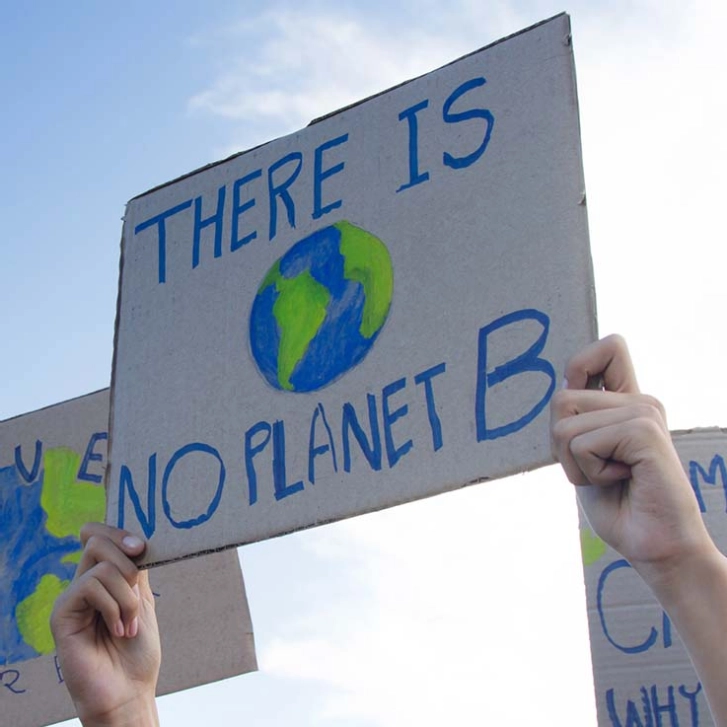
A year of working together in a cross-generational group has taught us how to bridge our divides—and leverage each other’s strengths in the climate fight.


Large-scale social change requires broad cross-sector coordination, not the isolated intervention of individual organizations.

With an understanding of these 10 funding models, nonprofit leaders can use the for-profit world's valuable practice of engaging in succinct and clear conversations about long-term financial strategy.

Professionalism has become coded language for white favoritism in workplace practices that more often than not leave behind people of color. This is the fourth of 10 articles in a special series about diversity, equity, and inclusion.

By working closely with the clients and consumers, design thinking allows high-impact solutions to social problems to bubble up from below rather than being imposed from the top.

Five principles based in social science that will help organizations connect their work to what people care most about.