


Fixing the S in ESG
How to move from net zero to net impact.

How to move from net zero to net impact.

Collective impact efforts must prioritize working together in more relational ways to find systemic solutions to social problems.

Years of implementing, studying, and iterating on cash transfer programs have revealed some important lessons about achieving long-term impact.

A Philadelphia-based health initiative has delivered COVID-19 testing and vaccinations to hundreds of thousands of people in underserved communities.
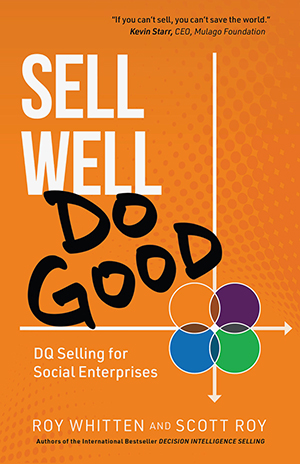
An excerpt from Sell Well, Do Good on breaking open the black box of selling: how to design a selling system that aligns with the values and best practices of social enterprise

Collective impact efforts must prioritize working together in more relational ways to find systemic solutions to social problems.
How to move from net zero to net impact.

A look at how Switzerland radically and successfully changed its approach to drug policy following a heroin epidemic in the late 1980s and 90s, and what the effort teaches us about the social innovation process.

How government and philanthropy can unlock the billions needed to shelter America’s unhoused

Chicago CRED proceeds from the belief that the individuals most at risk are not the problem—they are the solution.