Massive Aggregation: A New Form of New Power
By pooling money, individuals who may otherwise feel powerless are attempting to address imbalances of wealth and influence in the social sector.

By pooling money, individuals who may otherwise feel powerless are attempting to address imbalances of wealth and influence in the social sector.
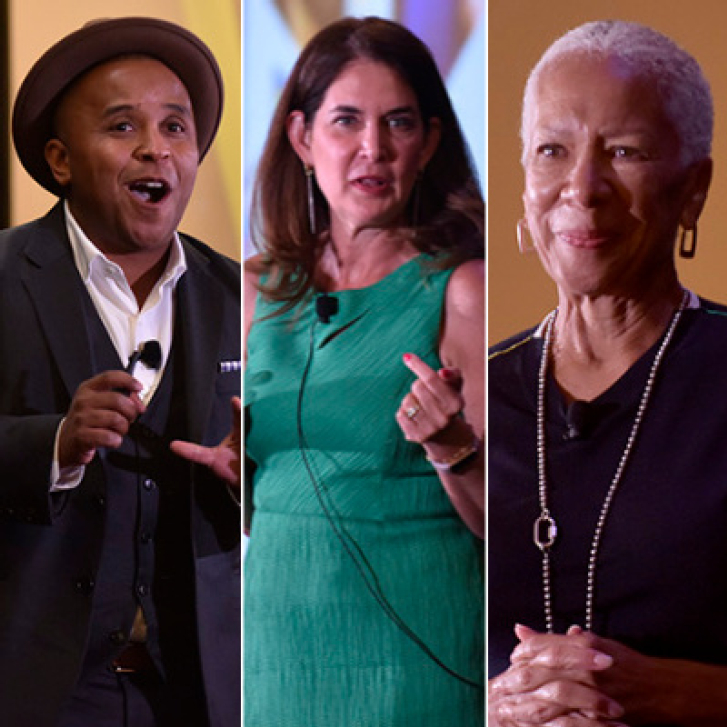
At SSIR's 2018 Nonprofit Management Institute, civil society leaders shared insight and inspiration for increasing diversity, equity, and inclusion during an era when divisiveness runs through much of the public discourse.
Exposing the problems of policy schools can ignite new ways to realize the mission of educating public servants in the 21st century.

Simple changes in mindset and behavior can break the cycle of strain and mistrust in grantor-grantee relationships.
Three considerations for Asia-Pacific foundations embarking on impact investing journeys.


Funders are calling for more program evaluation, but nonprofits are often collecting dubious data, at great cost to themselves and ultimately to the people they serve.

Large-scale social change requires broad cross-sector coordination, not the isolated intervention of individual organizations.

For NGOs, impact comes in different forms and to track the cycles of social change work, we must think across the tangibility and the speed of emergence of change.

With an understanding of these 10 funding models, nonprofit leaders can use the for-profit world's valuable practice of engaging in succinct and clear conversations about long-term financial strategy.

Professionalism has become coded language for white favoritism in workplace practices that more often than not leave behind people of color. This is the fourth of 10 articles in a special series about diversity, equity, and inclusion.