


Journalism’s Savior?
Civil, a journalism platform built on blockchain technology and funded by cryptocurrency, aims to protect reporters while restoring public trust in the fourth estate.
Civil, a journalism platform built on blockchain technology and funded by cryptocurrency, aims to protect reporters while restoring public trust in the fourth estate.
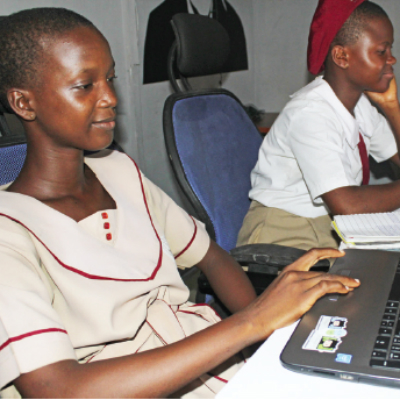
Girls Coding, a free after-school and weekend program run by Pearls Africa Foundation, seeks to create a pathway out of poverty and bring its students into Nigeria’s male-dominated technology sector.

The Peterborough Social Impact Bond was the first of its kind. Does its success in improving recidivism rates while rewarding investors herald a new way of using finance for social impact?

Will the Open Philanthropy Project’s experiment in effective altruism validate the cause or demonstrate its hubris? Open access to this article is made possible by an underwriter.

Social media has made it easy for organizations to launch competitions, but too few consider how such efforts best align with their goals.


Funders are calling for more program evaluation, but nonprofits are often collecting dubious data, at great cost to themselves and ultimately to the people they serve.

Large-scale social change requires broad cross-sector coordination, not the isolated intervention of individual organizations.

For NGOs, impact comes in different forms and to track the cycles of social change work, we must think across the tangibility and the speed of emergence of change.

With an understanding of these 10 funding models, nonprofit leaders can use the for-profit world's valuable practice of engaging in succinct and clear conversations about long-term financial strategy.

Professionalism has become coded language for white favoritism in workplace practices that more often than not leave behind people of color. This is the fourth of 10 articles in a special series about diversity, equity, and inclusion.