


A Critical Reflection on Social Impact Bonds
Far from being a win-win financial instrument, SIBs come with significant technical burdens and exemplify an ideological shift in welfare service provision.
Far from being a win-win financial instrument, SIBs come with significant technical burdens and exemplify an ideological shift in welfare service provision.
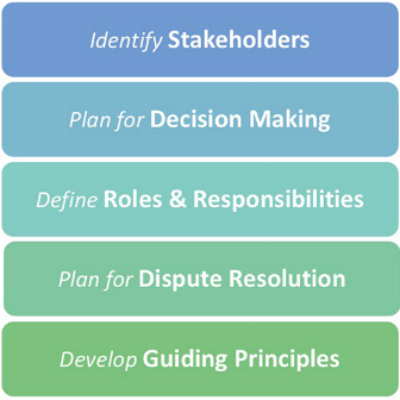
Multigenerational philanthropy offers opportunities for strengthening personal bonds and creating social impact, but families must be aware of common challenges and have a plan to address them.

Financial technology has the potential to help lift millions out of poverty. But are we adequately assessing its risks?
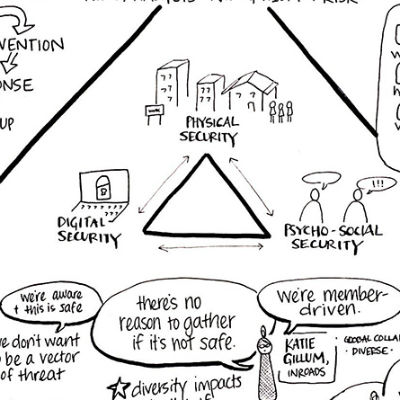
Four steps civil society organizations and their funders can take to begin addressing digital risk.

The Anti-Defamation League’s Brittan Heller discusses her work tracking cyber-hate, and her partnership with tech companies and law enforcement agencies to reduce bigotry and promote justice and fair treatment in online environments.


Funders are calling for more program evaluation, but nonprofits are often collecting dubious data, at great cost to themselves and ultimately to the people they serve.

Large-scale social change requires broad cross-sector coordination, not the isolated intervention of individual organizations.

For NGOs, impact comes in different forms and to track the cycles of social change work, we must think across the tangibility and the speed of emergence of change.

With an understanding of these 10 funding models, nonprofit leaders can use the for-profit world's valuable practice of engaging in succinct and clear conversations about long-term financial strategy.

Professionalism has become coded language for white favoritism in workplace practices that more often than not leave behind people of color. This is the fourth of 10 articles in a special series about diversity, equity, and inclusion.