


How to Build Digital Health Platforms in Emerging Markets
In developing economies, the digital health platforms that actually work are not imported. They are built from scratch by the communities they serve.
In developing economies, the digital health platforms that actually work are not imported. They are built from scratch by the communities they serve.
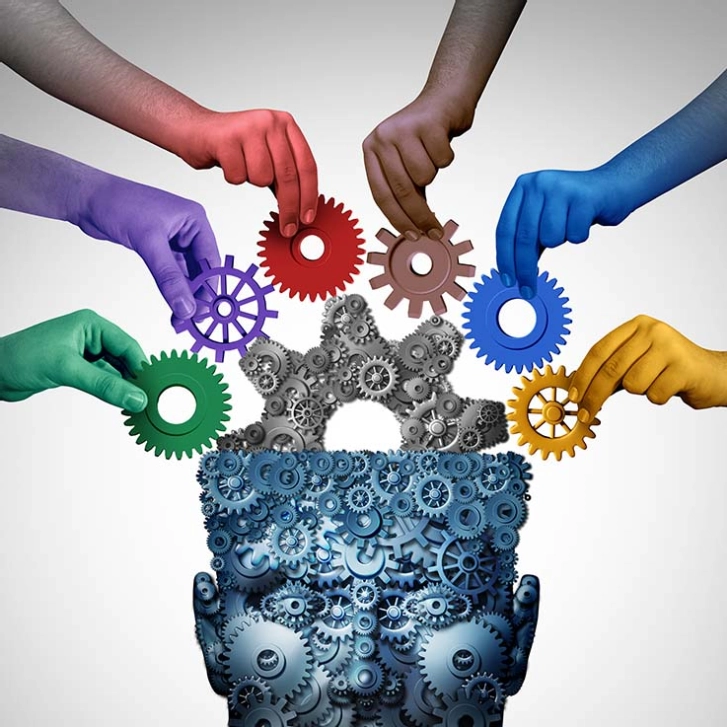
Research shows that neurodivergent employees display tendencies that can boost organizational performance—but too many organizations are not designed to incorporate their unique skill sets.
AI companies are offering nonprofits free services and staff. Is the deal too good to be true?

Funders should measure capacity building by what changes, not just what grantees like.
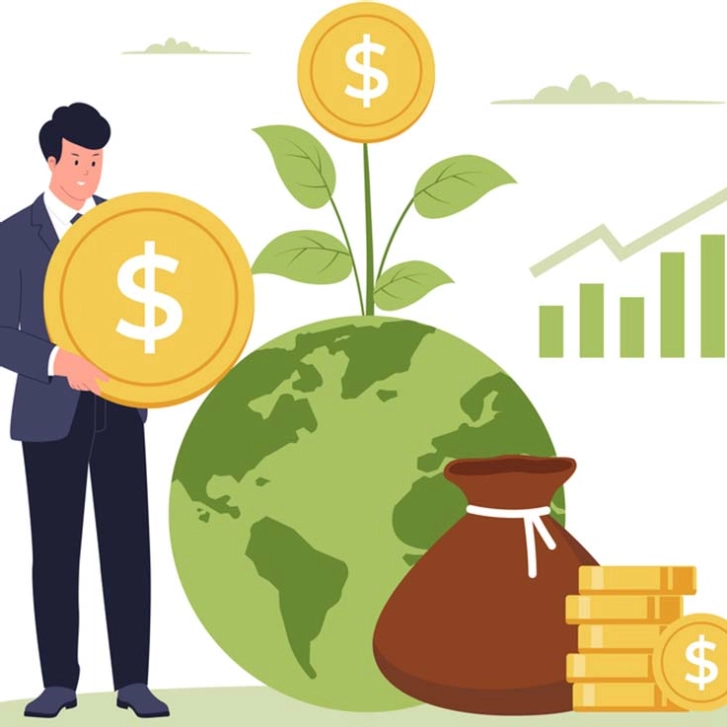
I had a mandate to create an investment portfolio wholly devoted to impact that would not sacrifice returns. After a decade, it outperformed its benchmarks of traditional market indexes and demonstrated that socially positive investments are long-term value investments.


Funders are calling for more program evaluation, but nonprofits are often collecting dubious data, at great cost to themselves and ultimately to the people they serve.

Large-scale social change requires broad cross-sector coordination, not the isolated intervention of individual organizations.
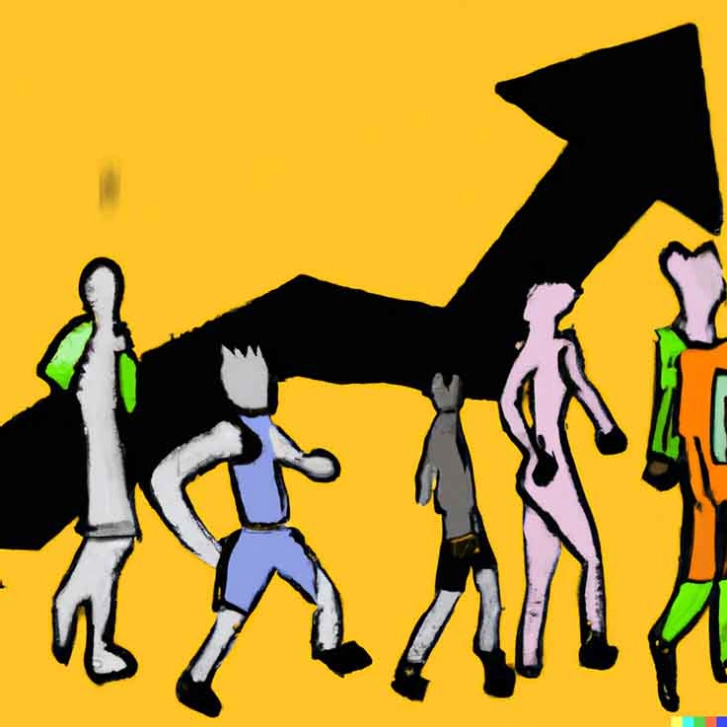
For NGOs, impact comes in different forms and to track the cycles of social change work, we must think across the tangibility and the speed of emergence of change.

With an understanding of these 10 funding models, nonprofit leaders can use the for-profit world's valuable practice of engaging in succinct and clear conversations about long-term financial strategy.

Professionalism has become coded language for white favoritism in workplace practices that more often than not leave behind people of color. This is the fourth of 10 articles in a special series about diversity, equity, and inclusion.