

Measurement & Evaluation
Philanthropy’s Most Important Metric
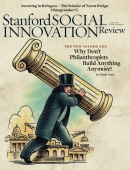
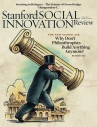
We judge philanthropic capital's impact by what it builds while it is building. We should judge by what stands, without it, after the grant has ended.

The United States is living through a second Gilded Age. But unlike yesterday’s magnates, today’s billionaires prefer to write checks to existing organizations. They should instead build institutions that last. Read the cover story in SSIR’s new summer issue.
We judge philanthropic capital's impact by what it builds while it is building. We should judge by what stands, without it, after the grant has ended.

Many social impact leaders feel pressure to engage with AI but are overwhelmed and lack a clear starting point. Four fundamental questions can help frame early conversations, grounding AI strategy in purpose, organizational capacity, and values.

An Indian state's initiative to establish women-run community libraries is giving rural students—especially girls—a safe space to study and access career guidance.

A conversation with two nationally renowned school superintendents about the biggest challenges they face.

Philanthropic, nonprofit, and civil society organizations that face highly restrictive state policies can leverage compliance to pursue their goals as legalized entities, making them harder to suppress.

In a world that no longer behaves like a scalable system, success must be something other than growth.

Why the ghost of Paul Farmer wants you scaring the horses at Skoll
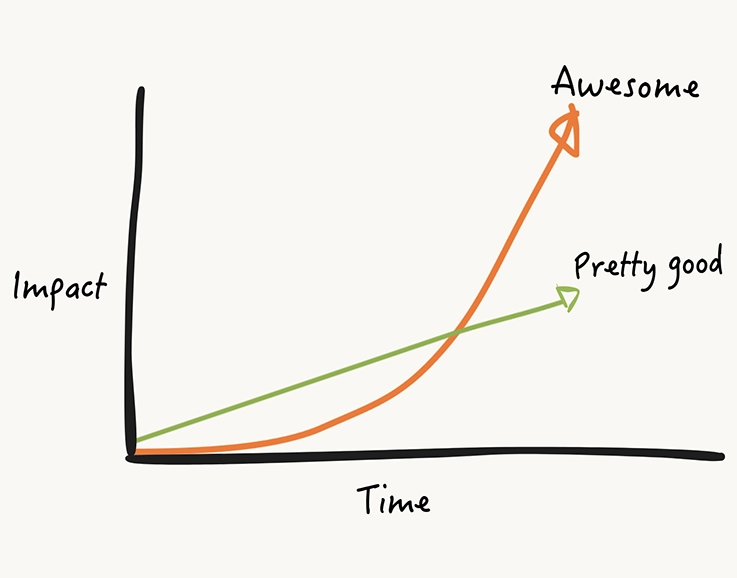
The problems are big, the time is short, and the resources are limited.

What SSIR readers are saying about articles on artificial intelligence, charitable giving, and navigating organizational disagreement.

Inter-nursing home games in France happen regularly across the country thanks in part to financial support from the National Solidarity Fund for Autonomy, an arm of the country’s social-security system.
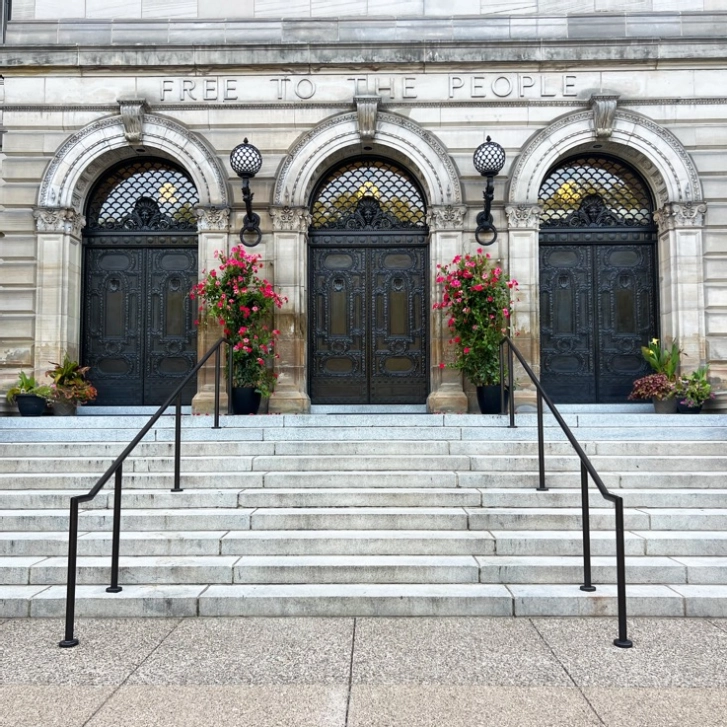
We all—editors, writers, and readers alike—are not just students or observers of the world around us but builders of its future.

Impact strategies must reckon with the problem that capital is frequently trapped in highly illiquid investments with no prospect of exit.

How schools can support both individual and collective thriving in our democracy.
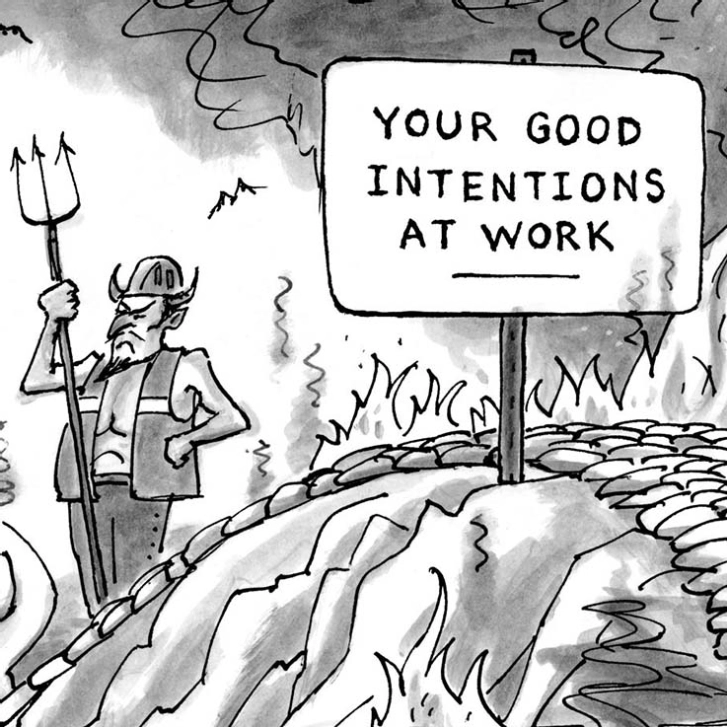
There is philanthropic investing, and there is commercial investing, and there is nothing in between.
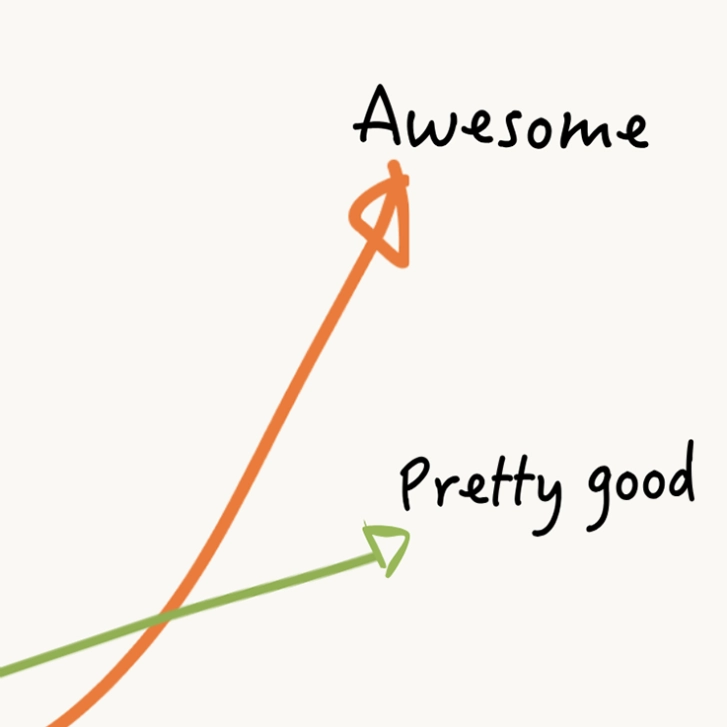
The problems are big, the time is short, and the resources are limited.

In the face of current funding uncertainty, US nonprofits must innovate to sustain their missions.

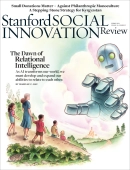
As AI begins to transform education, work, and social life, we need to focus on developing and expanding capacities essential for human flourishing.

A final sweep of 60 years of evidence reveals durable truths about how development succeeds and fails.