


Fail-Safe Keeping of Personal Records
The MyPass Austin project aims to help people experiencing homelessness by using blockchain technology to secure their personal documents. From the What's Next department of the Summer 2019 issue.
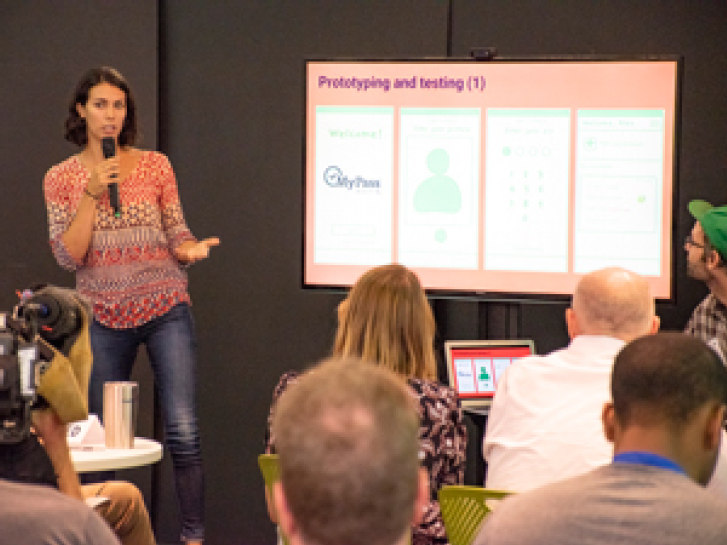
The MyPass Austin project aims to help people experiencing homelessness by using blockchain technology to secure their personal documents. From the What's Next department of the Summer 2019 issue.
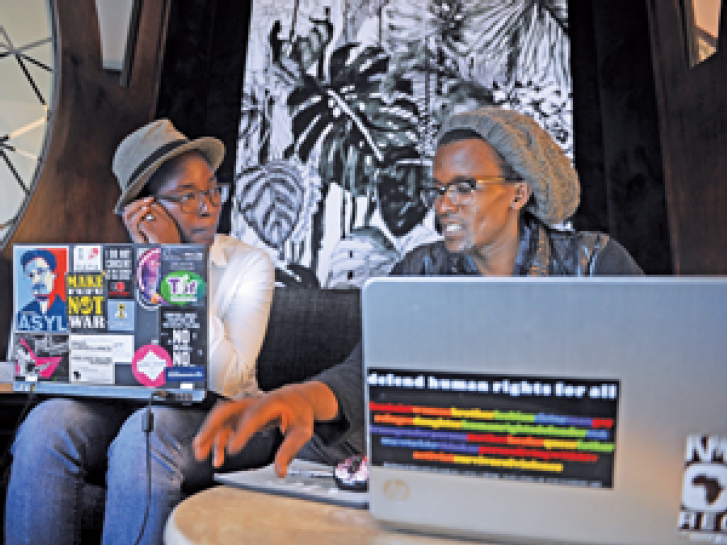
Astraea’s CommsLabs program combines indigenous knowledge, technology, and healing practices to power the next wave of LGBTQI organizing. From the Summer 2019 issue.

For nearly three decades, the Electronic Frontier Foundation has led the fight to protect people’s digital rights, incubating allied organizations and offering free security tools to nonprofits. Can it continue to uphold its mission? From the Summer 2019 issue.

Blockchain has done more than simply enable Chinese social entrepreneurs to improve the transparency, trustworthiness, and fundraising of the country’s charitable causes. It has helped launch a more decentralized and autonomous philanthropic sector.

Development practitioners must build a culture of learning, negotiation, and collaboration, so that the generation and use of evidence are integrated into program design and implementation.


Funders are calling for more program evaluation, but nonprofits are often collecting dubious data, at great cost to themselves and ultimately to the people they serve.

Large-scale social change requires broad cross-sector coordination, not the isolated intervention of individual organizations.
For NGOs, impact comes in different forms and to track the cycles of social change work, we must think across the tangibility and the speed of emergence of change.

With an understanding of these 10 funding models, nonprofit leaders can use the for-profit world's valuable practice of engaging in succinct and clear conversations about long-term financial strategy.

Professionalism has become coded language for white favoritism in workplace practices that more often than not leave behind people of color. This is the fourth of 10 articles in a special series about diversity, equity, and inclusion.