


sponsored
Learning From a Decade of Collaborative Philanthropy
A look at how donor collaboratives have evolved over time, and how fund leaders and donors can sharpen their strategies today.
New and innovative ideas for leaders of foundations (more)

A look at how donor collaboratives have evolved over time, and how fund leaders and donors can sharpen their strategies today.

The social sector has seen an explosion in collaborative funds over the last 15 years, representing a significant shift in the philanthropic sector. This article series, sponsored by The Gates Foundation, invites practitioners, donors, and advisors to reflect on the impact of collaborative funds—what has worked well? What could work better? And how can the field advance even greater positive change?

Critics of grantmaking practices and advocates of reform should support hiring more staff to improve accountability, return on investment, and equality of opportunity.
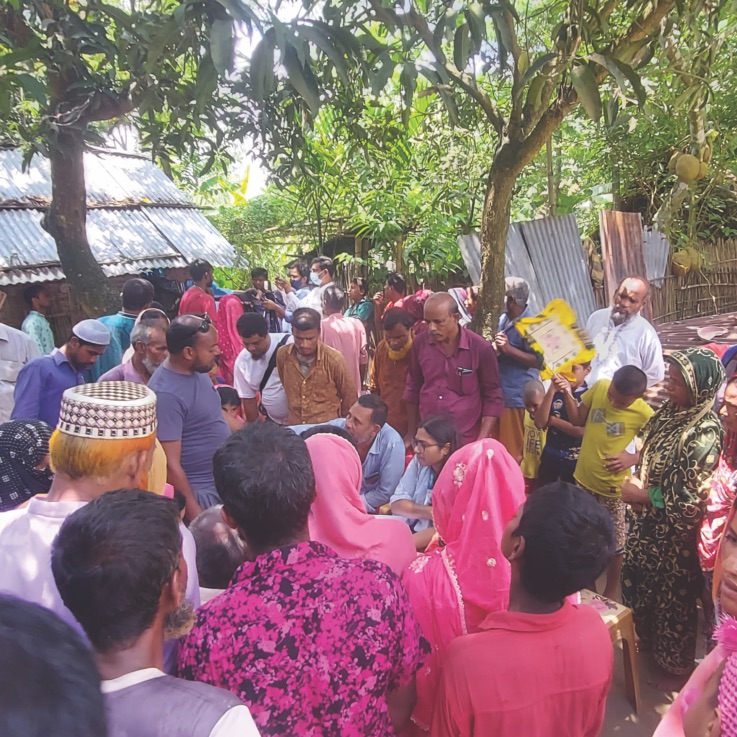
Shraddha Rehabilitation Foundation rescues wanderers from India’s streets, treating them for their mental illnesses and reuniting them with their families.

The overdose crisis exposes how funders allow themselves to be diverted from impact.
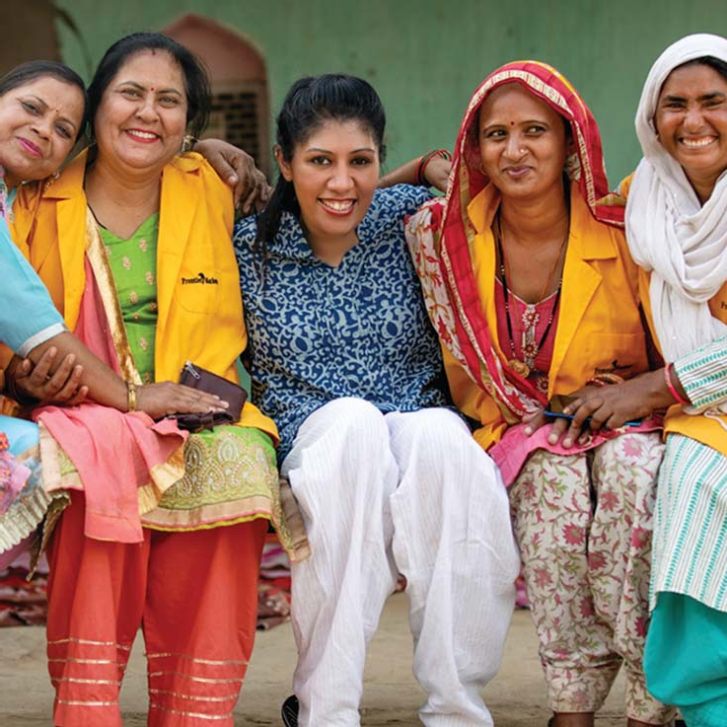
Embedding social innovation across sectors is how we drive more durable systemic change. Even in the most challenging times, here are three ways to do that.
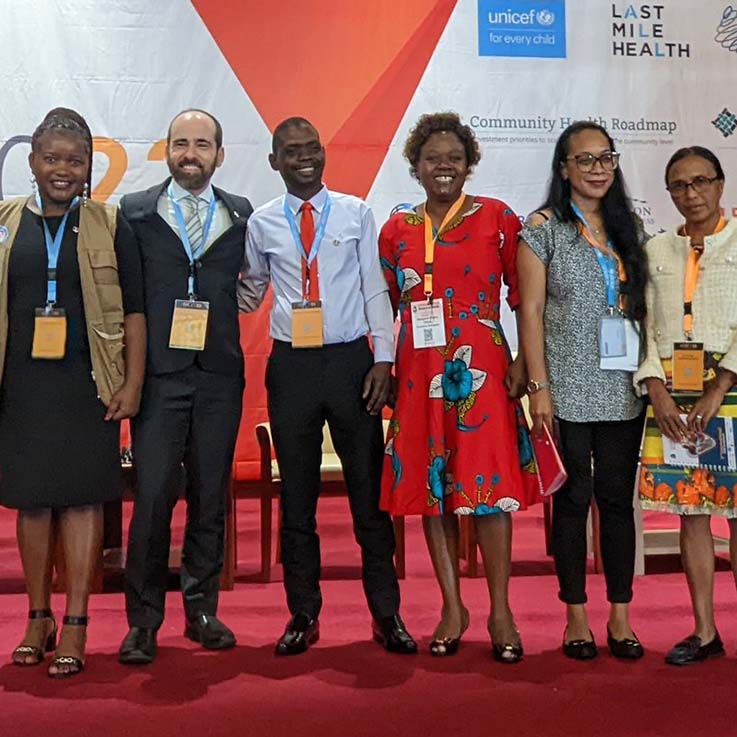
Health coalitions did the research, coordinated with donors, and secured strong government buy-in. Now, community health workers are finally getting the credit—and pay—they deserve.

Indigenous and local community-centered solutions to deforestation are among the most effective and enduring strategies for mitigating climate change. Social innovators in these communities pioneered a new playbook for getting the world to take notice.

This follow-up to “Social Innovation and the Journey to Transformation,” sponsored by the Skoll Foundation, explores how bold social innovators shift systems through collective action. The series offers adaptable playbooks for social innovators, partners, and funders to learn from and apply to their work.
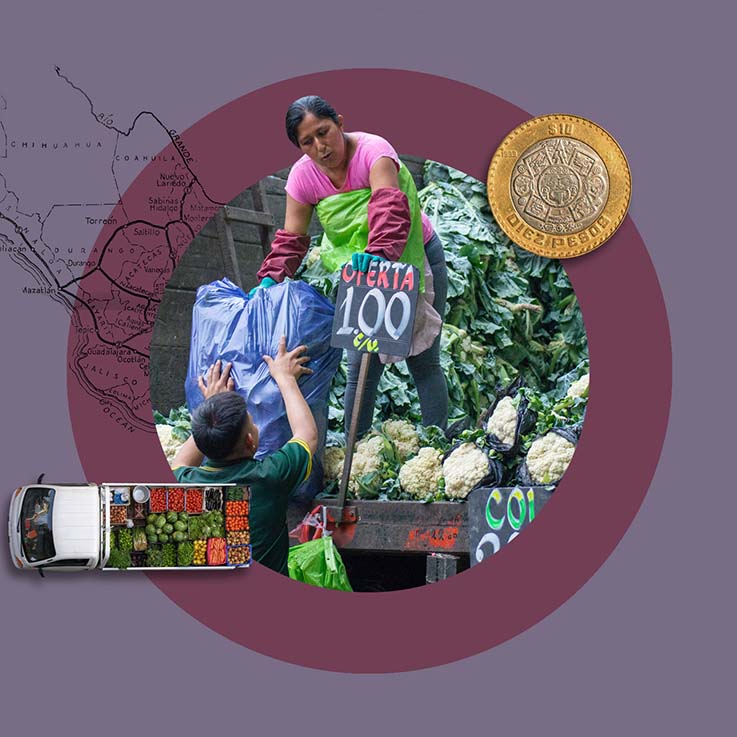
How philanthropy can help build a more resilient and equitable food system through agroecology