


Four Fruits of Disagreement
An excerpt from Why Are We Yelling? explores how we measure the possibilities of security, growth, connection, and enjoyment to orient ourselves in the face of conflict.
Innovative ways to develop strong leadership capabilities (more)
An excerpt from Why Are We Yelling? explores how we measure the possibilities of security, growth, connection, and enjoyment to orient ourselves in the face of conflict.
An excerpt from a new book explains the range of factors that challenge leaders’ ability to lead effectively.

The United States can restore the trust that allows civil society to flourish by emphasizing the values that have long bound us together and by adopting the newer values of shared power and racial equity.
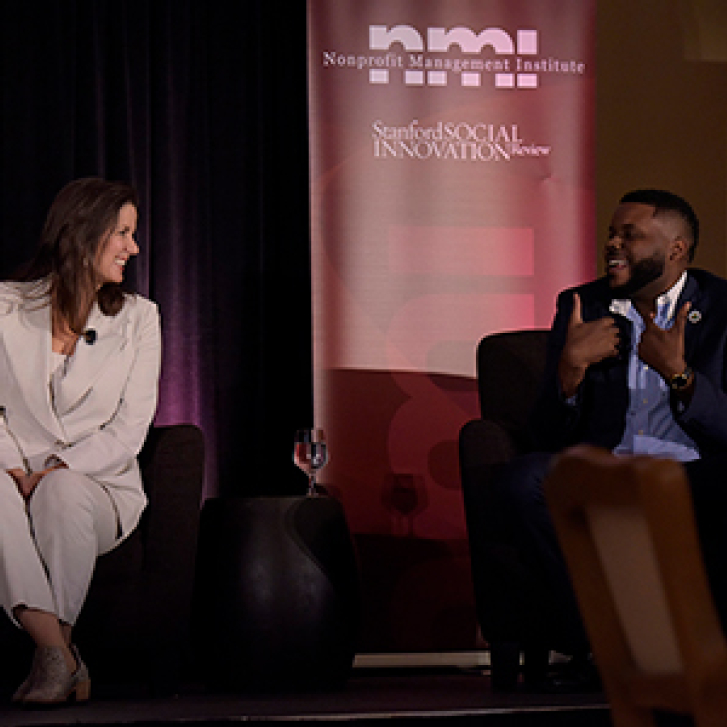
A discussion between two California mayors on how the public sector and nonprofit leaders can work together in a time of anxiety and disruption.

The inclusion of disabled people in your organization is not about “helping” them come on board while leaving the organization unchanged.

System work is not about solutions; it’s about discovering and steering local pathways for change at a pace appropriate for our ability to learn and for what local communities can enact and absorb. A feature story from the Winter 2020 issue.

The Harambe Entrepreneur Alliance, a network of 304 entrepreneurs from 34 African countries, believes that business, rather than aid, is the key to eradicating poverty on the continent. A Case Study from the Winter 2020 issue.

Powerful organization, rather than efficient mobilization, is the way to re-center people in our political life. Part of the Winter 2020 issue's Realizing Democracy supplement funded by the Ford Foundation.

The book presents a thought-provoking framework for categorizing and implementing performance management strategies based on the causal relationship between an organization’s activities and outcomes and on its control over those outcomes. A book review from the Winter 2020 issue.
An excerpt from Tara Swart’s The Source explains how the brain’s ability to adapt can allow for better decision-making for social good.