


Too Many Welfare Orgs?
While communities can benefit from the entry of more welfare nonprofits, there is a point after which greater numbers are counterproductive.
Highlights from scholarly journals (more)
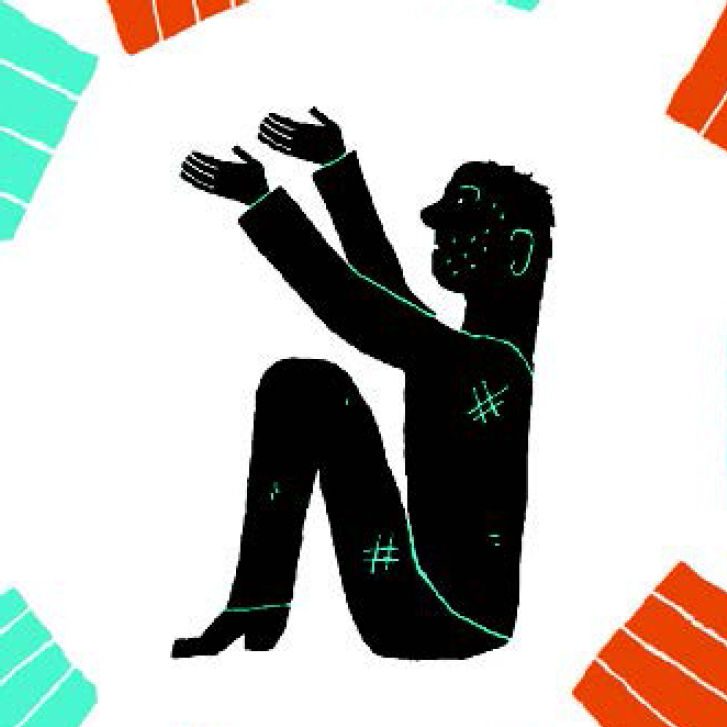
While communities can benefit from the entry of more welfare nonprofits, there is a point after which greater numbers are counterproductive.

Executives fail to support corporate social responsibility more from a lack of moral motivation than from ignorance of the facts.

Worries about the negative effects of unconditional cash transfers to relieve poverty are greatly exaggerated.

Disapproval of welfare recipients who use their benefits to buy “ethical” but costly items is widespread.

Corporations that suffer from reputational threats often form unlikely alliances with social activist groups.

Contrary to conventional economic wisdom, relying solely on carbon taxes will not create an optimal transition to clean energy.

In working with stigmatized groups, an organization must manage the risk that it may experience stigma as well.
A shift in the language used to describe and report social impact reflects the influence of an elite group of financial professionals.

During a critical period in its history, Greenpeace restructured its organization in order to leverage gains made at a local level.

When a for-profit company partners with an NGO, it must carefully manage employees’ adjustment to a new organizational context.