


sponsored
A New Era for Corporate Philanthropy
An overdue need to address social and health inequities has collided with compounding global crises, forcing businesses to reevaluate their values.
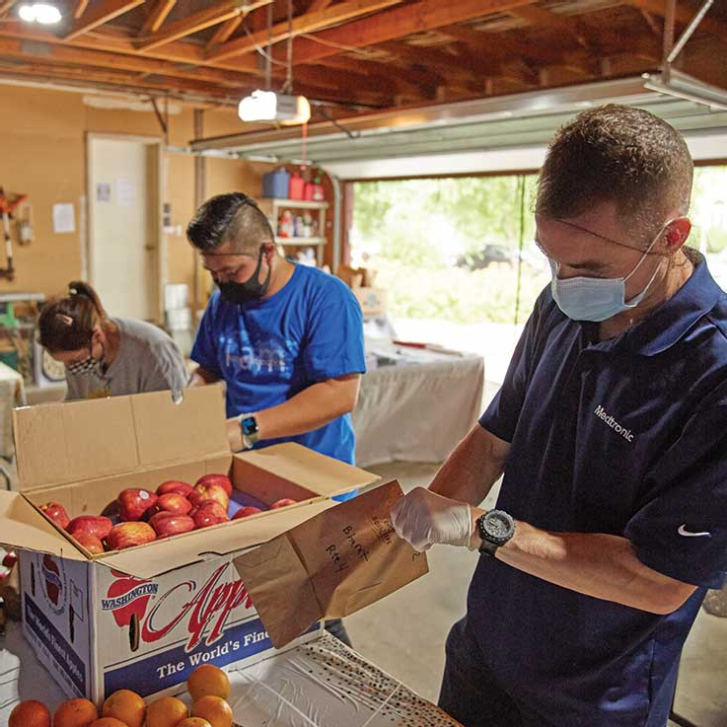
An overdue need to address social and health inequities has collided with compounding global crises, forcing businesses to reevaluate their values.

Six lessons on how corporate philanthropies can strengthen community connection and communications.

Community health workers at the front lines of the pandemic are providing essential care for underserved populations.

In an effort to save the bees and buttress the global food supply, Edete, an Israel-based agricultural technology company, has set out to reduce the strain on bees by assisting them with crop pollination.

With the goal of reducing pollution, Amsterdam-based Fashion for Good created the Good Fashion Fund (GFF), the first investment fund focused exclusively on encouraging collaborations between fashion and technology.
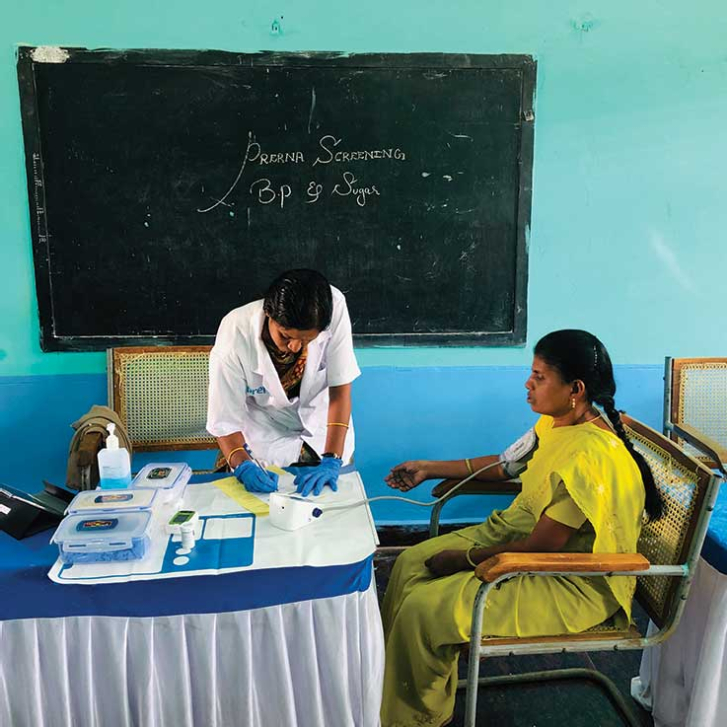
The Medtronic Foundation’s Learning Community brings together nonprofits across three continents to build collective knowledge and advance patient-centered health improvements in underserved communities.

The Missing Billion initiative aims to end the health-care gap for disabled people by 2030 by identifying breakdowns, building evidence, and compiling best practices for the health system framework.

Funders must shift their frameworks, expectations, and budgets to better serve nonprofits whose financial models are being tested during the coronavirus pandemic.

The 19th, a new nonprofit, nonpartisan publication, is dedicated to in-depth reporting of the issues that matter to women, especially health care.
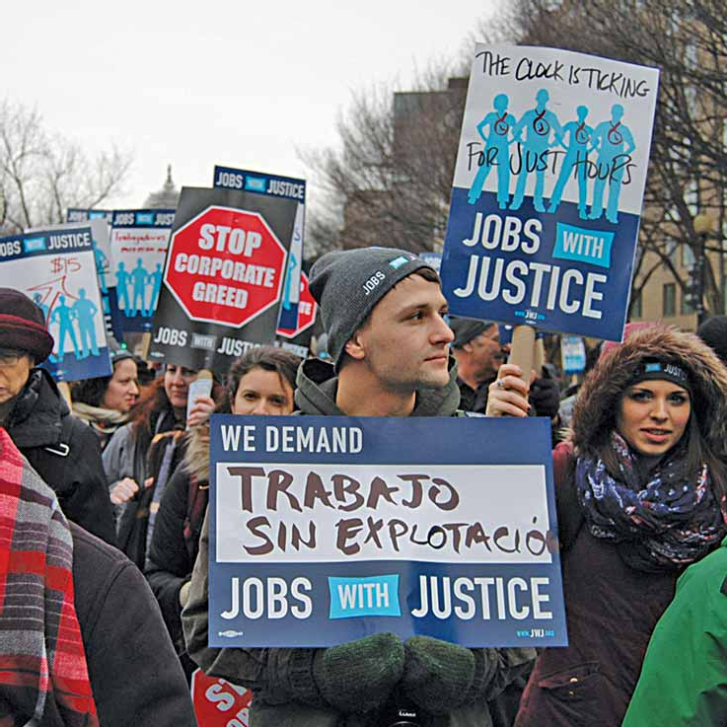
Union rights organization Jobs With Justice relies on its extensive nationwide network to advocate for economic and social justice for workers.