

A Trauma Lens for Systems Change
The Missouri Model lays out a framework, based on the science of trauma, that organizations can use to shift culture and policies and improve outcomes. A feature article from the Summer 2019 issue.
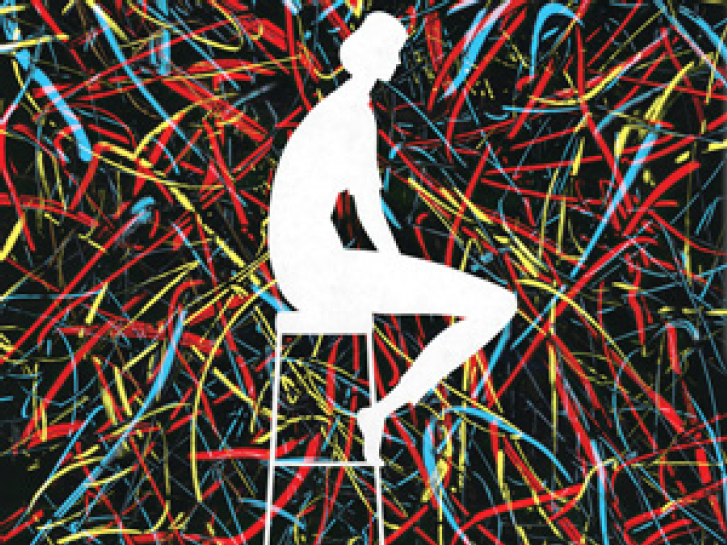
The Missouri Model lays out a framework, based on the science of trauma, that organizations can use to shift culture and policies and improve outcomes. A feature article from the Summer 2019 issue.
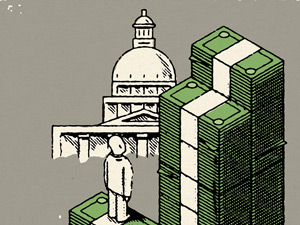
Efforts to increase funding for Pay for Success must embrace how risk affects the expectation of returns to attract capital from the appropriate investors.

Rather than a glossy brochure that no one reads, your strategy should be an ongoing practice that informs your decisions and adapts as circumstances change. A Viewpoint from the Summer 2019 issue.

A new book on Chinese entrepreneurs breaks through stereotypes and offers a more comprehensive view of innovation in China.
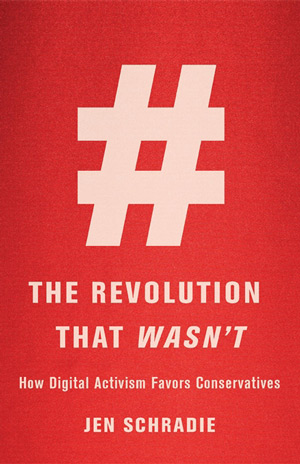
Sociologist Jen Schradie reveals how digital activism empowers defenders of the status quo.

Grantmakers In Health presents a snapshot of the latest thinking from health funders, researchers, and advocates on healthy eating and active living (HEAL) and healthy communities.

To ensure equitable health outcomes, we need to be explicit about goals, build transparent relationships with local communities, address underlying issues that drive health disparities, and measure and adjust outcomes accordingly.

Building effective policy advocacy campaigns, creating programs that support sustainable systemic changes, and engaging parents to identify and advocate for critical issues are all key to supporting healthy schools and communities.

Policy, Systems, and Environmental Change (PSE) strategies are critical tools in the battle for good health in adults and children.

Physical Activity Research Center (PARC) investigators examine physical activity across built environments, parks and recreation, schools, and rural areas—all through an equity lens.