


Democratizing Social Entrepreneurship
RebelBase, a project-building software company, offers entrepreneurial methods to a worldwide community of aspiring founders.

RebelBase, a project-building software company, offers entrepreneurial methods to a worldwide community of aspiring founders.

The Fund for Black Journalism supports local reporting on Black communities throughout the United States.

NGO consortium Local Energy Scotland promotes collectively owned renewable energy generation.

As currently structured, requests for proposal (RFPs) are counterproductive to social change efforts. We must redesign granting systems to empower the communities in which we work.

Too often, potential collaborators focus on the why rather than the how. I offer a three-pronged approach for overcoming barriers to interaction.

Diverse teams function well only under the right leadership structure.

Hiring managers focus on qualities they deem relevant to the job, even if applying those qualities may be discriminatory.
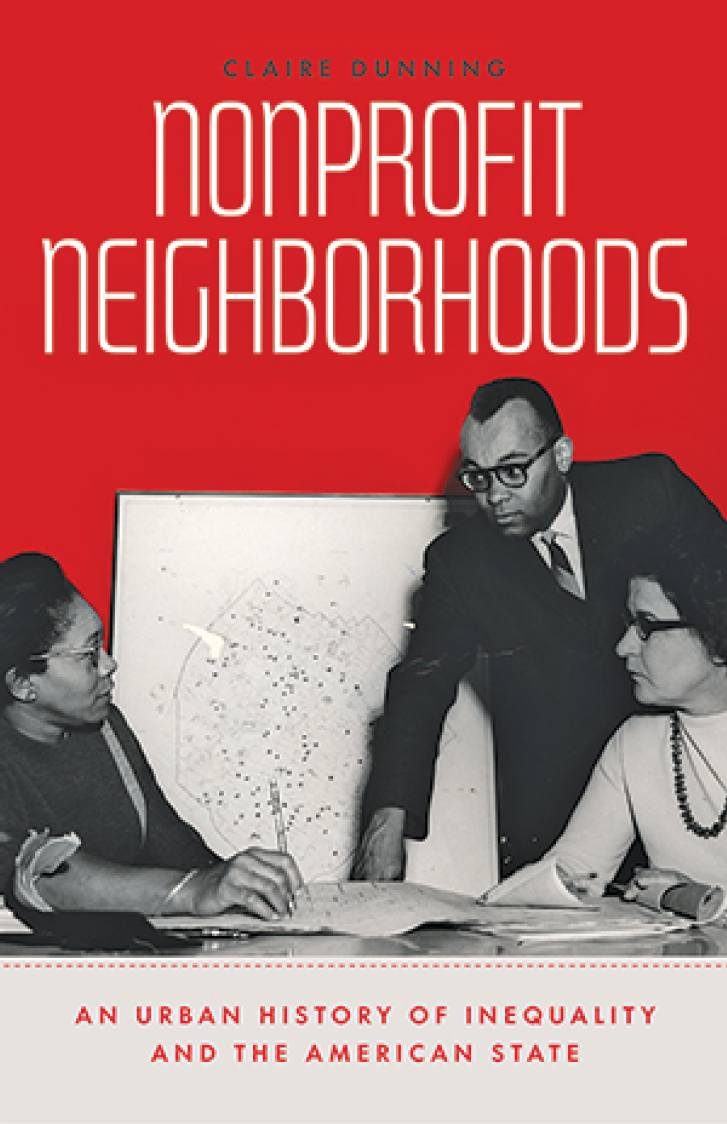
Claire Dunning’s Nonprofit Neighborhoods examines how the US government funded the growth of—and delegated governance to—the nonprofit sector.

People from disadvantaged communities have largely been cut off from the tech cornucopia. It doesn’t have to be this way.

A collection of standout pieces published online about nonprofit boards, hybrid meetings, Web3, ESG, and public interest technology.