
Beyond Participation to Real Power
How to build fair sustainability partnerships with local communities
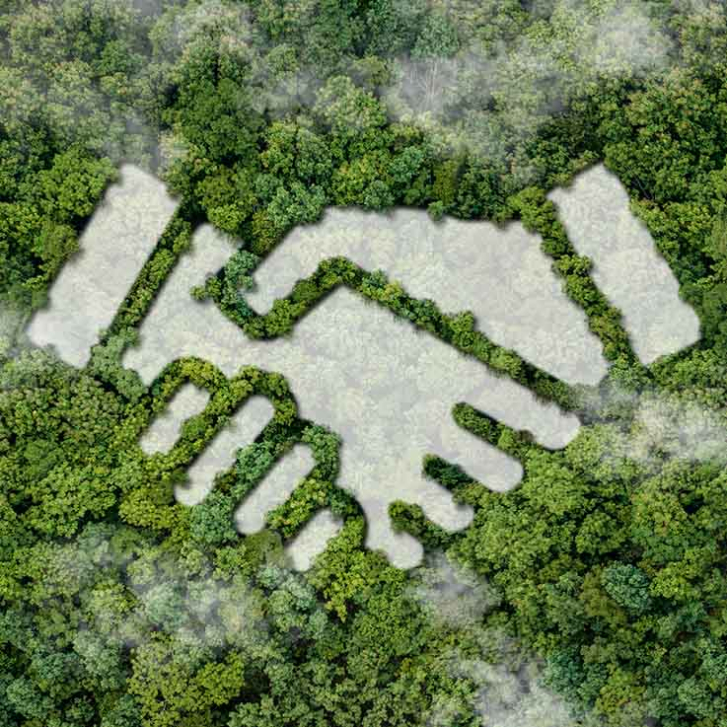
How to build fair sustainability partnerships with local communities
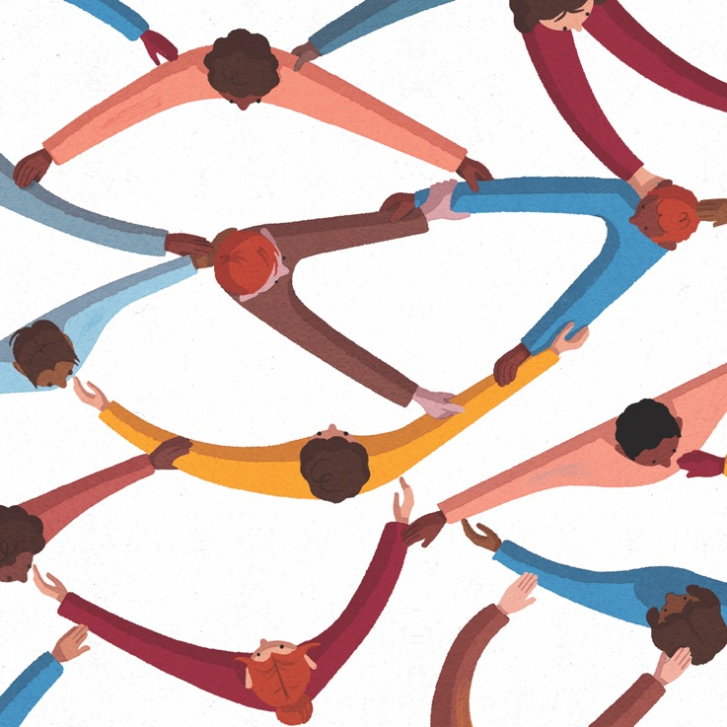
Like physicians before the discovery of the interstitium, social sector leaders have misunderstood the fundamental nature of civil society and how it thrives. We must build new tools to understand it better.
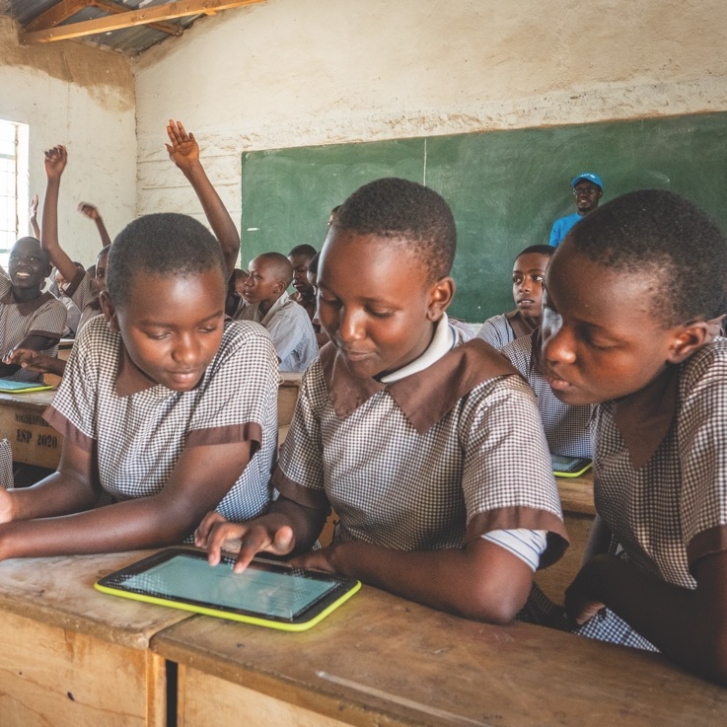
Giga set out to connect every school to the internet by 2030. Its work in Kenya demonstrates how the scaling of school connectivity can evolve into a platform for socioeconomic development.
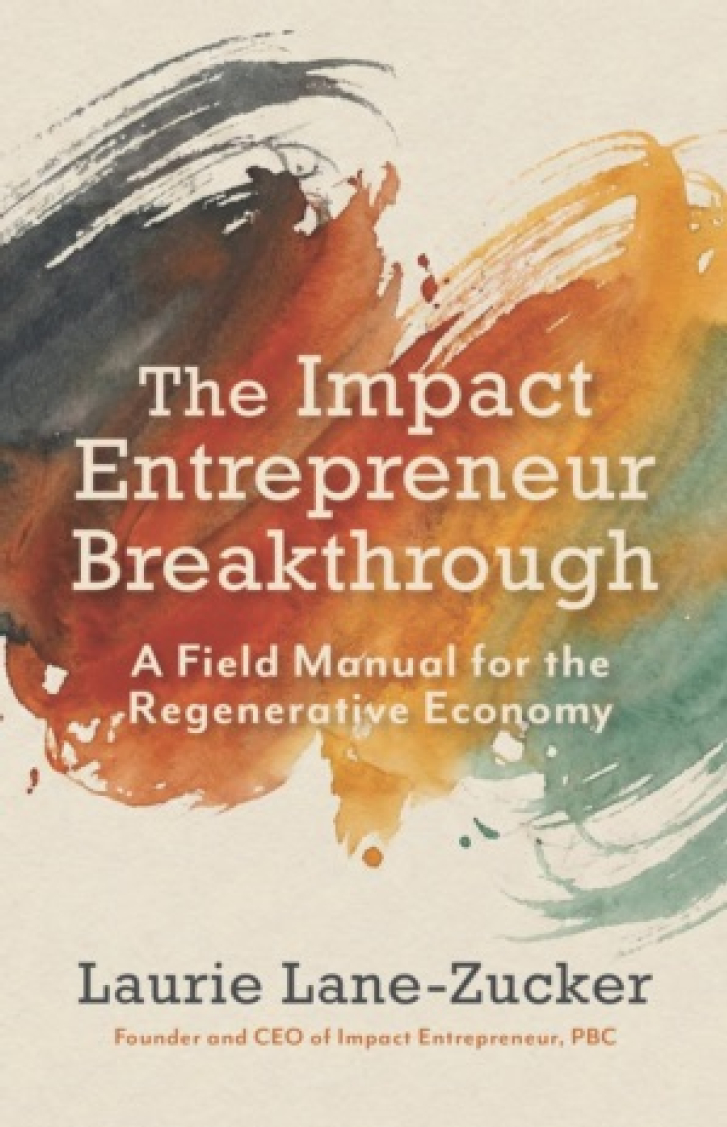
Laurie Lane-Zucker's The Impact Entrepreneur Breakthrough provides a manual for coining the new words and narratives we need to make durable change.
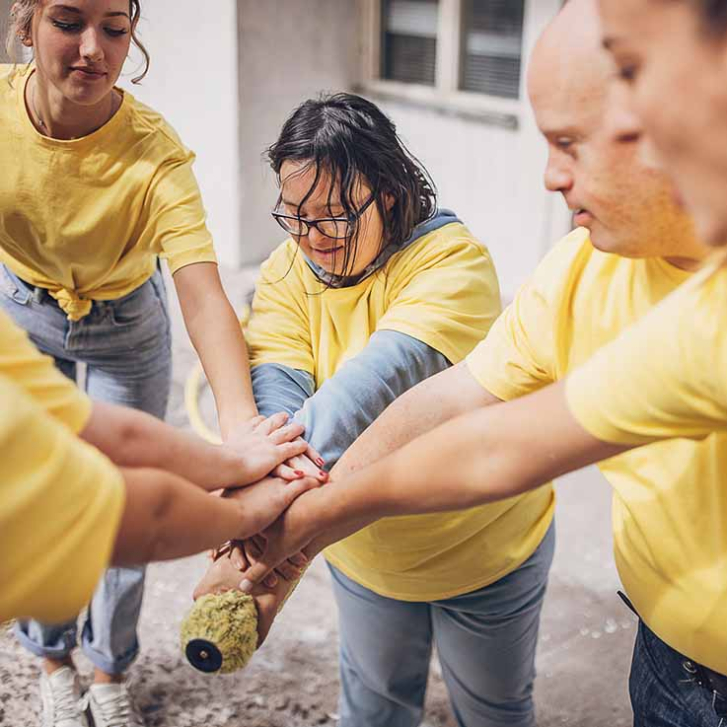
How immediate, concrete, and even larger-scale social change can happen when philanthropy and collective action meet

Funders and founders need a better taxonomy for segmenting the impact market.
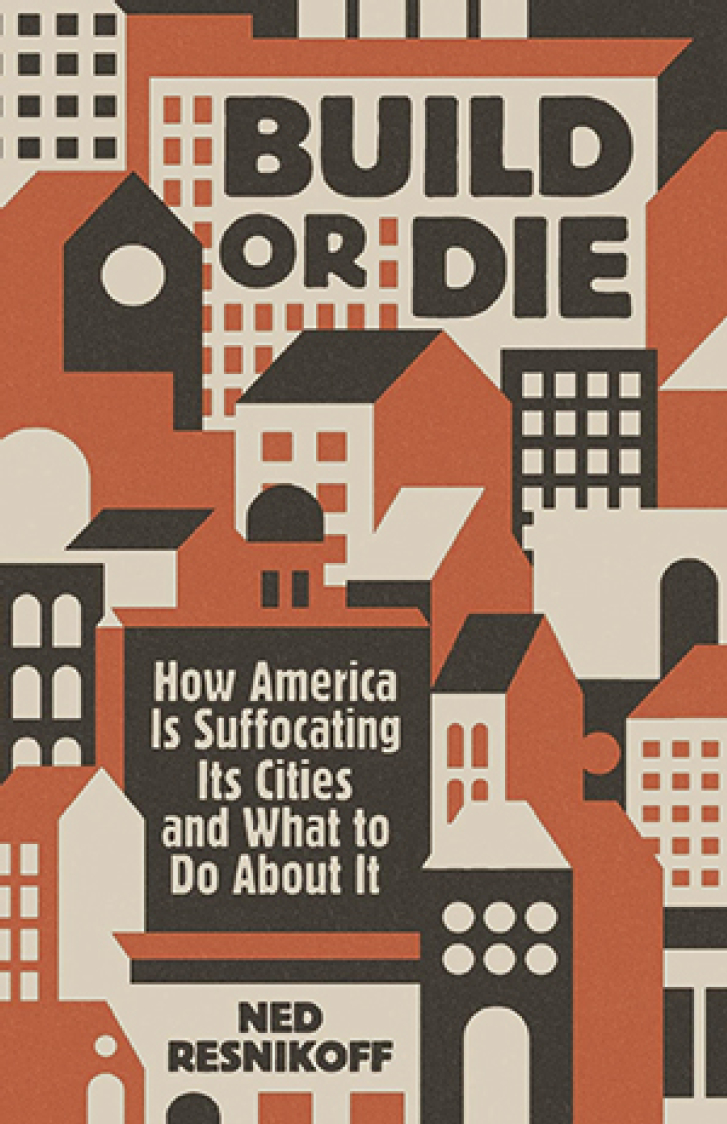
Can we say yes to different visions for resolving the housing crisis in Ned Resnikoff's Build or Die and in Samuel Stein's A Right to Housing?
Housing in America is a complex social issue. It intersects with poverty, education, public health, climate resilience, racial equity, and more. Funders who work in each of these areas struggle to address housing and homelessness on their own, but together, they may be able to impact the wider systemic issue of housing justice. The Fund for Housing and Opportunity is a collaborative fund designed to do just that through grants that support housing policy, advocacy, and organizing work.
In this episode, we talk with Jeanne Fekade-Sellassie, FHO’s executive director, about how the fund’s work is catalytic, how collaborative funds enable funders to take risks, and how listening to and learning from grantee partners, experts, and fellow funders creates a stronger collaborative approach to solving the housing crisis. Giving With Impact is developed with the support of DAFgiving360®

As ecological crises grow more complex, cultivating Earth awareness—a deeper awareness of our interdependence with the Earth and all beings—may be one of the most overlooked dimensions of meaningful climate action.