


How Businesses Can Take the Lead in Combatting Gender-Based Violence
Five steps companies can take to comprehensively tackle violence and harassment in the workplace.

Five steps companies can take to comprehensively tackle violence and harassment in the workplace.
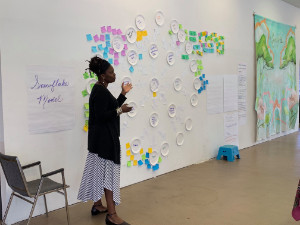
Nine supporting activities that can help make collective impact approaches to social change more nuanced and rigorous.

Foundations, governments, and crowdfunding platforms show how Opportunity Zones can live up to their promise of making investors money while helping struggling communities across the United States.
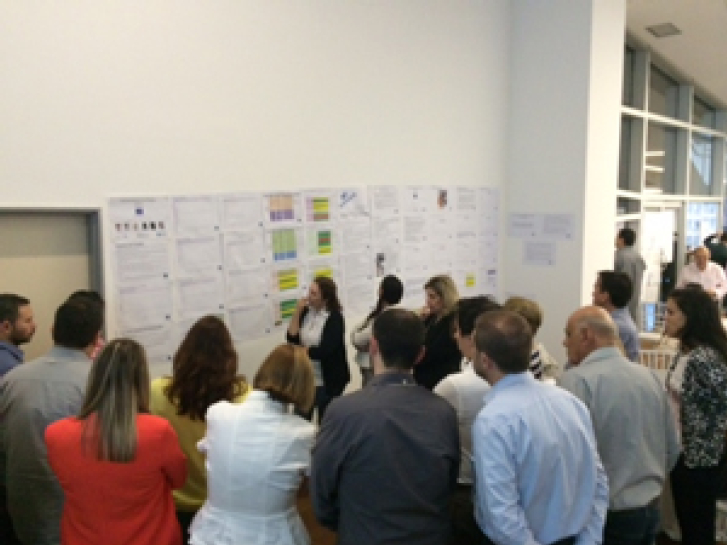
Pitfalls and promising practices drawn from experimentation with quality-improvement methods and performance management in health care.

Three recommendations on how impact investors can foster more sustainable changes in Sub-Saharan Africa and its tech sectors by focusing less on "sexy" individual startups and more on universities, hubs, and research and development institutions.

With a study-and-work approach, we can create more opportunities for more students beyond high school. A Viewpoint from the Fall 2019 issue.
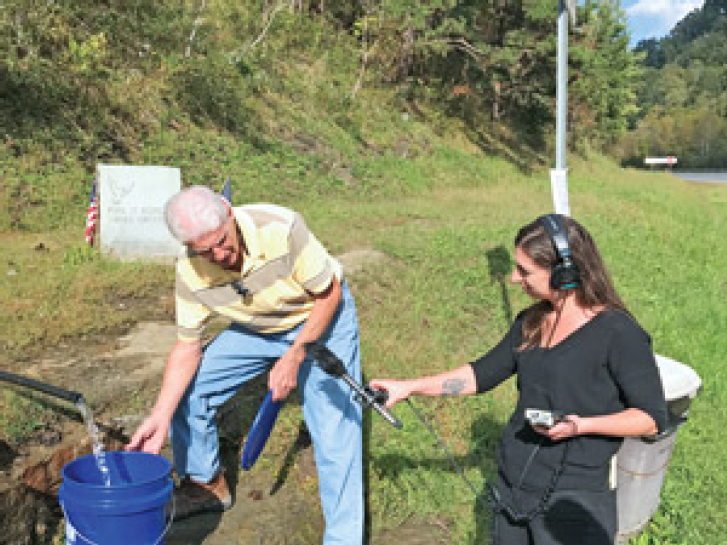
Journalism corps program Report for America pairs working journalists with resource-strapped local news organizations for a yearlong employment contract. A What's Next article from the Fall 2019 issue.

States that undergo a process of transitional justice are selective about the international norms they adopt. A Research article from the Fall 2019 issue.

The two-person company Solmove has a plan to pave Germany’s roads with small, durable, slip-resistant solar panels. A What's Next article from the Fall 2019 issue.

A 1970s partnership between wealthy white liberals and black activists illustrates the tensions of race and power in philanthropy. A Research article from the Fall 2019 issue.