

Reinventing Corporate Sustainability
In Terrible Beauty, Auden Schendler argues that by focusing on incremental rather than systemic change, the corporate sustainability movement has played into the fossil-fuel industry’s hands.
Reviews of top books on social innovation
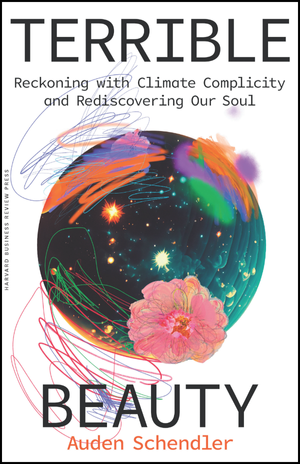
In Terrible Beauty, Auden Schendler argues that by focusing on incremental rather than systemic change, the corporate sustainability movement has played into the fossil-fuel industry’s hands.

Decolonize Design founder Aida Mariam Davis challenges settler-colonialist paradigms to offer a new pathway to freedom for Black, Indigenous, and oppressed peoples.

AI does not herald the end of humanity—or it doesn’t have to, philosopher Shannon Vallor argues in The AI Mirror, if we decide to change its use and design.

In The Tech Coup, former politician turned AI policy analyst Marietje Schaake warns that governments have ceded too much power to Silicon Valley—to the detriment of the public good.

In Supercommunicators, Charles Duhigg presents an actionable guide to better communication, albeit one without groundbreaking insight.
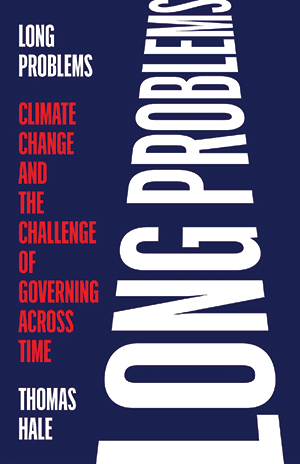
In Long Problems, Thomas Hale contends that effective political solutions to climate change are vexed by the issue of coordinating policies over protracted time horizons.
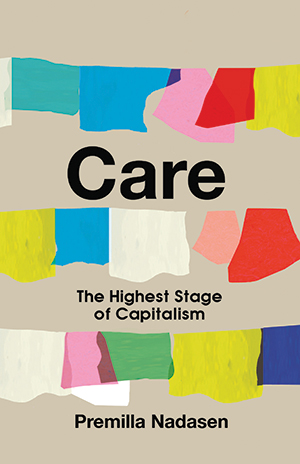
Premilla Nadasen’s Care: The Highest Stage of Capitalism demonstrates how the labor of caring is a site of economic extraction.
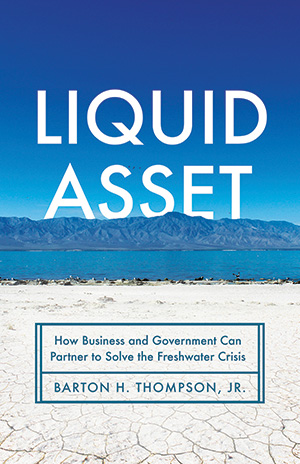
Liquid Asset examines how the public and private sectors can better collaborate on our society’s pressing water problems.

Scholar and activist Christopher Paul Harris re-envisions the history of Black protest movements to argue for new politics based on pain, joy, and care.
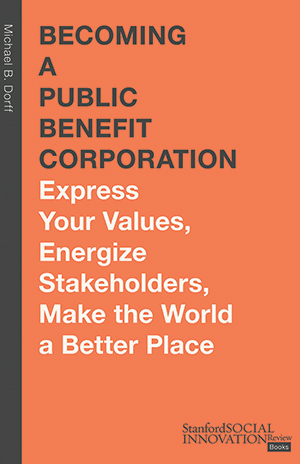
In Becoming a Public Benefit Corporation, Michael B. Dorff contributes a well-balanced examination of the pros and cons of the benefit corporation.