


Philanthropy & Funding
Funders, Do Your !!@%@#! Job.
Be a real advocate for those we’re trying to serve. Be accountable for impact.

Five truths for how donors committed to equity can continue to push forward.
Be a real advocate for those we’re trying to serve. Be accountable for impact.
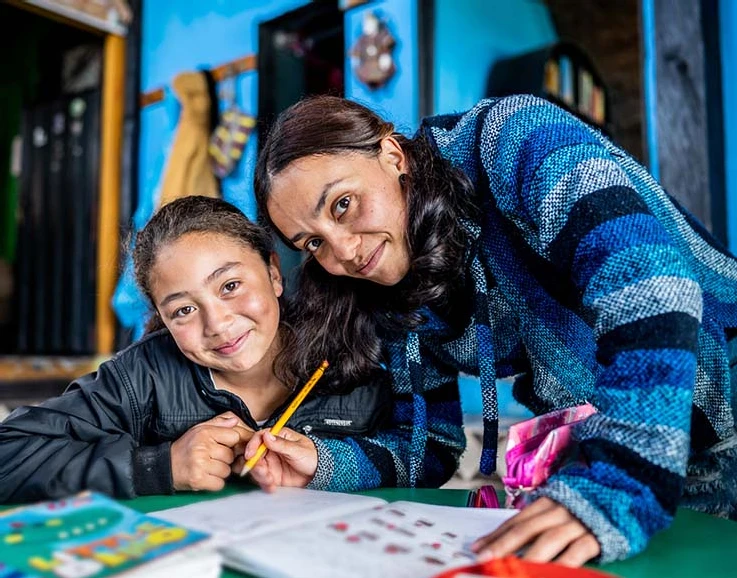
The Giving List Women believes that investing in women and girls helps everyone thrive.
The Skoll Foundation was founded in 1999 by Jeff Skoll, the first president of eBay. Today, it’s known for its focus on investing in social entrepreneurs and social innovators who are working on bold solutions to social problems across the globe. In this episode, Barbara Wheeler-Bride speaks with Marla Blow, CEO and president of the Skoll Foundation, about how her private and public sector experience informs her work, how Skoll quickly spun up a fund for social entrepreneurs dealing with disruption, the purpose of convenings like the annual Skoll World Forum, and how philanthropy can continue to support an ecosystem where innovative solutions and novel ideas drive social change.

How to build fair sustainability partnerships with local communities
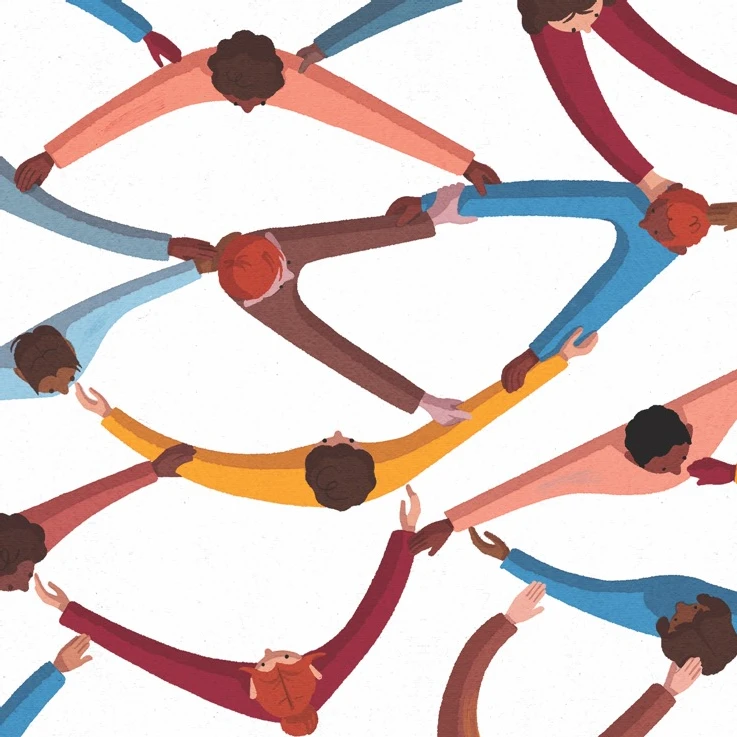
Like physicians before the discovery of the interstitium, social sector leaders have misunderstood the fundamental nature of civil society and how it thrives. We must build new tools to understand it better.

How immediate, concrete, and even larger-scale social change can happen when philanthropy and collective action meet

Funders and founders need a better taxonomy for segmenting the impact market.


With an understanding of these 10 funding models, nonprofit leaders can use the for-profit world's valuable practice of engaging in succinct and clear conversations about long-term financial strategy.

A decade of applying the collective impact approach to address social problems has taught us that equity is central to the work.

Too many people believe social value is objective, fixed, and stable, when in fact it is subjective, malleable, and variable.

To do as much good as possible with limited resources, funders should look to woefully underfunded protest movements.
Racial bias creeps into all parts of the philanthropic and grantmaking process. The result is that nonprofits led by people of color receive less money than those led by whites, and philanthropy ends up reinforcing the very social ills it says it is trying to overcome.