


Protest Movements Could Be More Effective Than the Best Charities
To do as much good as possible with limited resources, funders should look to woefully underfunded protest movements.

To do as much good as possible with limited resources, funders should look to woefully underfunded protest movements.
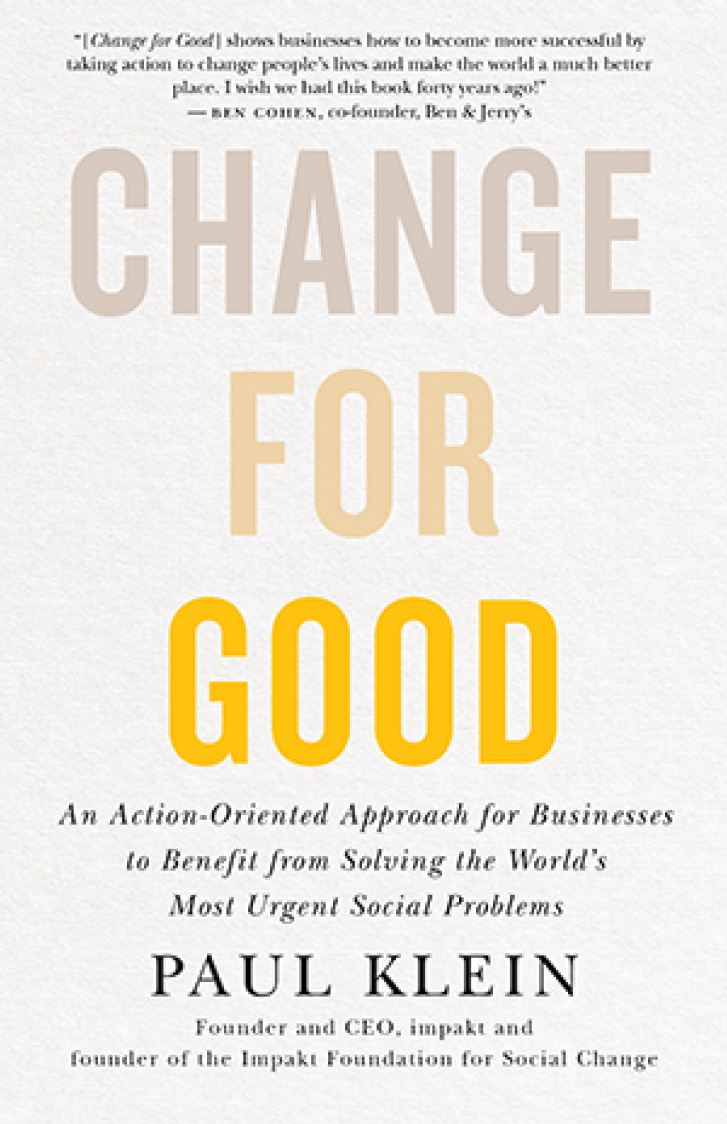
An excerpt from Change for Good on how businesses can shift from social responsibility to social change.

How a robust public interest technology field can overcome historical inequities and ensure that everyone can fully benefit from technology.

Recent rapid growth in climate philanthropy risks redundancy, waste, and friendly fire.
Lessons TechSoup learned from engaging stakeholders as impact investors to support their long-term growth.


Funders are calling for more program evaluation, but nonprofits are often collecting dubious data, at great cost to themselves and ultimately to the people they serve.

Large-scale social change requires broad cross-sector coordination, not the isolated intervention of individual organizations.

For NGOs, impact comes in different forms and to track the cycles of social change work, we must think across the tangibility and the speed of emergence of change.

With an understanding of these 10 funding models, nonprofit leaders can use the for-profit world's valuable practice of engaging in succinct and clear conversations about long-term financial strategy.

Social entrepreneurship is attracting growing amounts of talent, money, and attention, but along with its increasing popularity has come less certainty about what exactly a social entrepreneur is and does.