


How Private Sector Leadership Can Fight the Biodiversity Crisis
An excerpt from Strategic Corporate Conservation Planning details the efforts of companies, governments, and communities to remediate polluted lands.
An excerpt from Strategic Corporate Conservation Planning details the efforts of companies, governments, and communities to remediate polluted lands.

Lissy Romanow of Momentum, Sochie Nnaemeka of the New York Working Families Party, and Joseph McKellar of PICO California discuss how civil society groups should organize people to change the rules and conditions by which elites currently prosper.
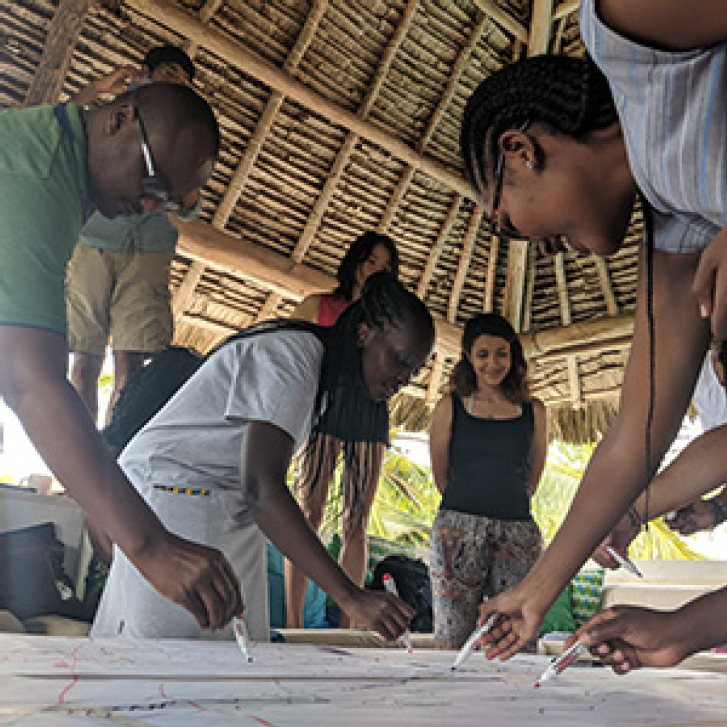
How Amani Institute is building a skills-based and inclusive curriculum for changemaking in the developing world. Part of the Innovating Higher Education series.
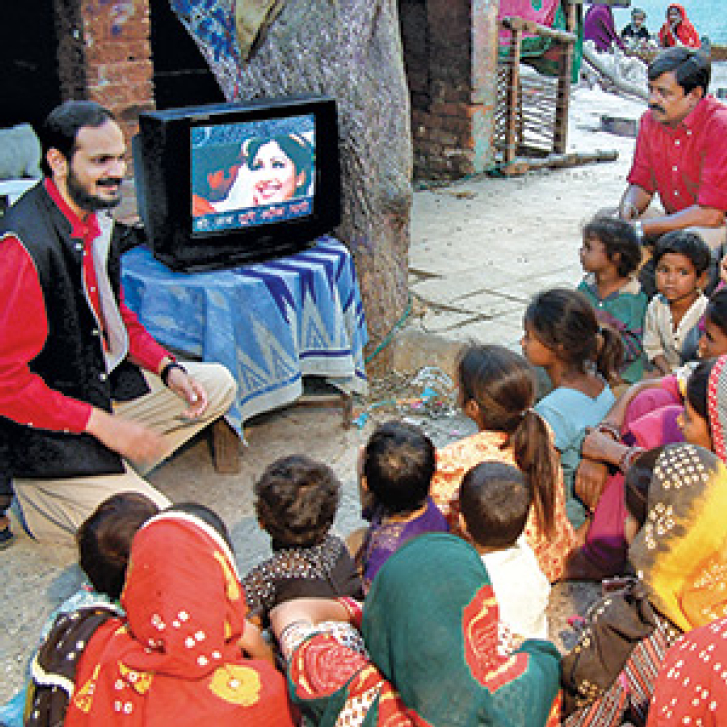
Same language subtitling (SLS) on India’s major TV channels went from concept in 1996 to national broadcast policy in 2019. This is the story of how we did it. A feature story from the Summer 2020 issue.

Using artificial intelligence to predict behavior can lead to devastating policy mistakes. Health and development programs must learn to apply causal models that better explain why people behave the way they do to help identify the most effective levers for change.


Large-scale social change requires broad cross-sector coordination, not the isolated intervention of individual organizations.

With an understanding of these 10 funding models, nonprofit leaders can use the for-profit world's valuable practice of engaging in succinct and clear conversations about long-term financial strategy.

Professionalism has become coded language for white favoritism in workplace practices that more often than not leave behind people of color. This is the fourth of 10 articles in a special series about diversity, equity, and inclusion.

By working closely with the clients and consumers, design thinking allows high-impact solutions to social problems to bubble up from below rather than being imposed from the top.

Five principles based in social science that will help organizations connect their work to what people care most about.