


Driving Water-Scarce Food Solutions
Securing Water for Food supports entrepreneurial innovations aimed at helping farmers in developing nations maximize food production and minimize water usage. A Field Report from the Summer 2020 issue.
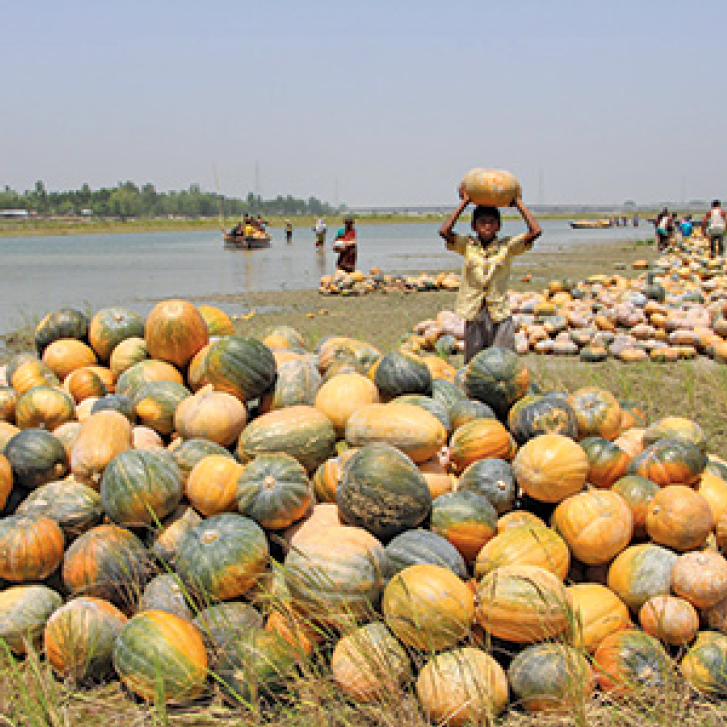
Securing Water for Food supports entrepreneurial innovations aimed at helping farmers in developing nations maximize food production and minimize water usage. A Field Report from the Summer 2020 issue.
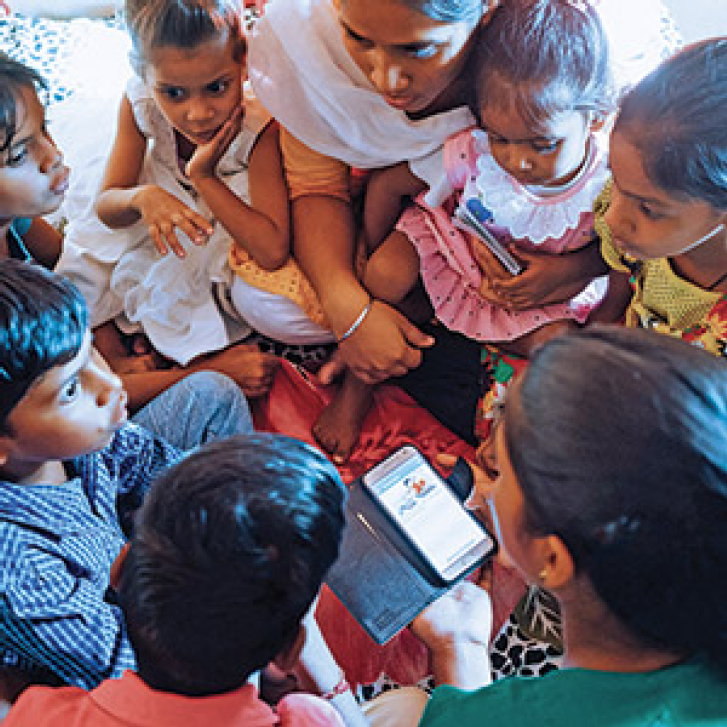
An adaptive learning approach bolsters a unique partnership that has changed the way parents read to their kids in hundreds of thousands of households across India. A Field Report from the Summer 2020 issue.

The Adaptive Leadership Framework can help the international health community address the most complex problems in preventing communicable diseases and other global health threats. A Viewpoint from the Summer 2020 issue.

Increasing access to quality food worldwide requires money from investors for food-related enterprises. Blended finance can help boost their risk tolerance. A Viewpoint from the Summer 2020 issue.

Water, sanitation, and hygiene projects are not just for low-income countries overseas. They are also desperately needed at home. A Viewpoint from the Summer 2020 issue.


Large-scale social change requires broad cross-sector coordination, not the isolated intervention of individual organizations.

With an understanding of these 10 funding models, nonprofit leaders can use the for-profit world's valuable practice of engaging in succinct and clear conversations about long-term financial strategy.

Professionalism has become coded language for white favoritism in workplace practices that more often than not leave behind people of color. This is the fourth of 10 articles in a special series about diversity, equity, and inclusion.

By working closely with the clients and consumers, design thinking allows high-impact solutions to social problems to bubble up from below rather than being imposed from the top.

Five principles based in social science that will help organizations connect their work to what people care most about.