


SSIR’s 2018 Social Innovation Reading List
Highlights of this year’s book reviews and excerpts on issues including women’s inequality, sustainable leadership, and the hypocrisy of elite philanthropists.

Highlights of this year’s book reviews and excerpts on issues including women’s inequality, sustainable leadership, and the hypocrisy of elite philanthropists.
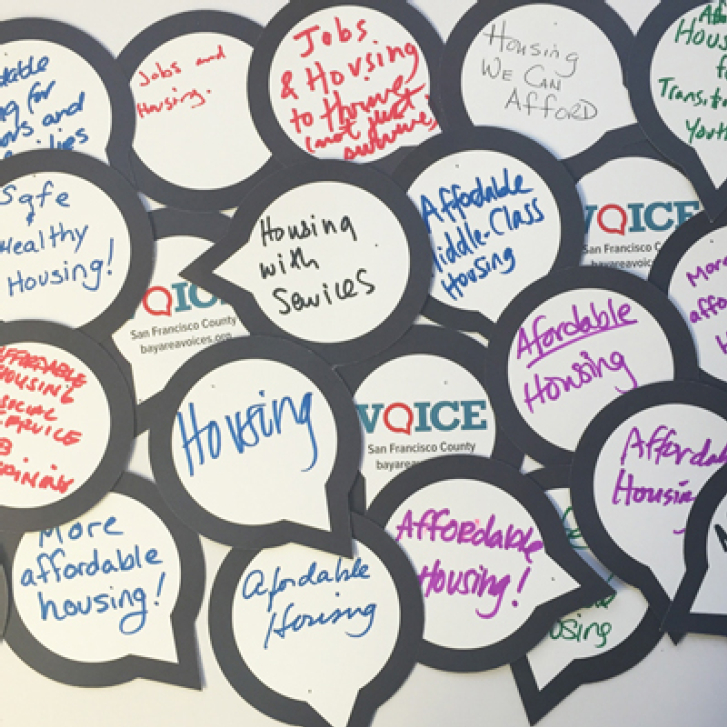
Based on feedback from community listening sessions and consultations with local experts, The San Francisco Foundation reshaped its grantmaking strategy and role in addressing the inequities facing Bay Area residents. Part of a series produced for SSIR with the support of the Hewlett Foundation.

Activists can be more successful at solving problems in their communities by using three simple strategies to connect local, national, and global narratives.

Shannon Revels met a teacher in prison who listened to his ideas, demonstrating a willingness to engage that Revels paid forward at his employment agency and on the job. Part of a series produced for SSIR with the support of the Hewlett Foundation.

Billions of dollars are poised to flow into development impact bonds (DIBs) as a mechanism for solving social challenges around the world. Now is the time to make sure these complex structures are grounded in sensible approaches to measuring impact.


Large-scale social change requires broad cross-sector coordination, not the isolated intervention of individual organizations.

With an understanding of these 10 funding models, nonprofit leaders can use the for-profit world's valuable practice of engaging in succinct and clear conversations about long-term financial strategy.

Professionalism has become coded language for white favoritism in workplace practices that more often than not leave behind people of color. This is the fourth of 10 articles in a special series about diversity, equity, and inclusion.

By working closely with the clients and consumers, design thinking allows high-impact solutions to social problems to bubble up from below rather than being imposed from the top.

Five principles based in social science that will help organizations connect their work to what people care most about.