


Going to Church for Health Care
A Philadelphia-based health initiative has delivered COVID-19 testing and vaccinations to hundreds of thousands of people in underserved communities.

A Philadelphia-based health initiative has delivered COVID-19 testing and vaccinations to hundreds of thousands of people in underserved communities.
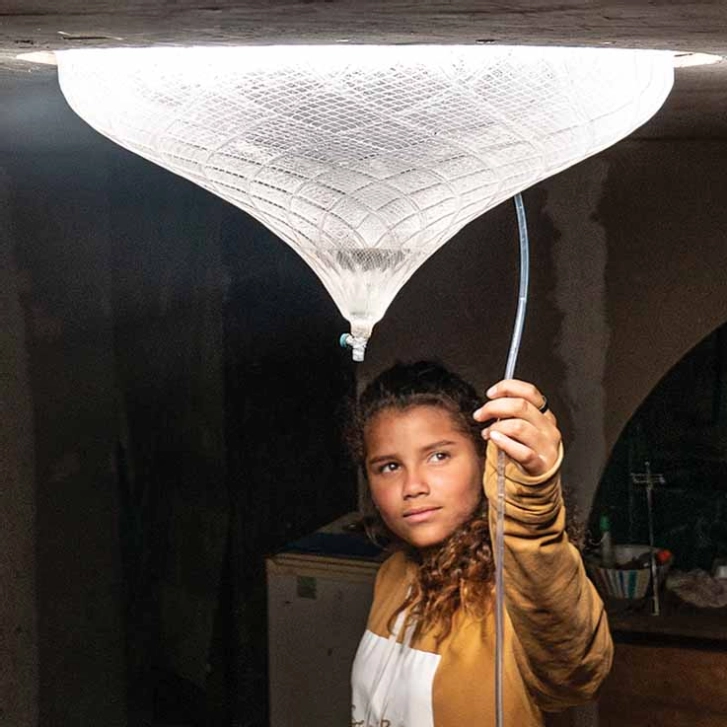
A young architect is tackling water scarcity with a household desalination device.
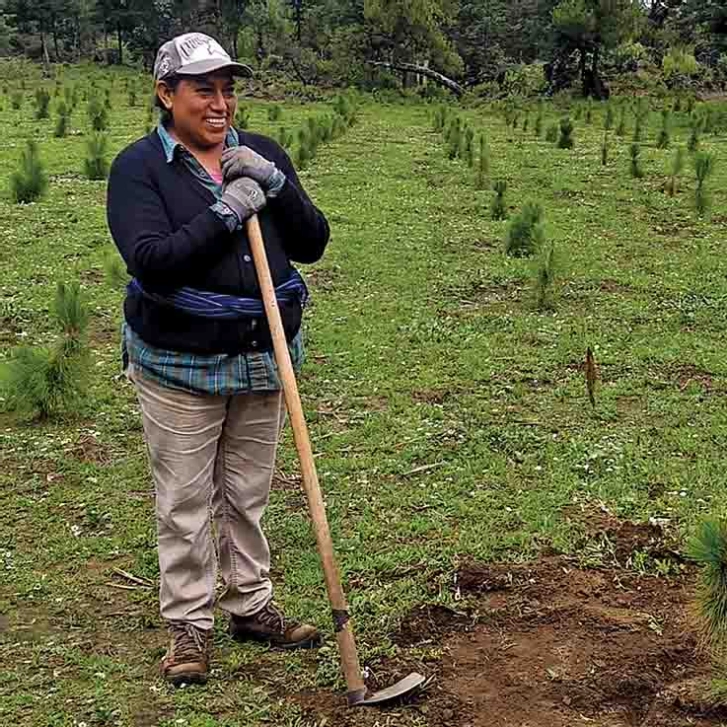
Sustainable pine resin producer Ejido Verde uses an adaptive reforestation model to replenish supply and meet demand.

Civic science platform ISeeChange mobilizes communities to take action on climate change.

Governments, academia, civil society, philanthropists, and the private sector must jointly take five priority actions to stop the global spread of disease.


Large-scale social change requires broad cross-sector coordination, not the isolated intervention of individual organizations.

With an understanding of these 10 funding models, nonprofit leaders can use the for-profit world's valuable practice of engaging in succinct and clear conversations about long-term financial strategy.

Professionalism has become coded language for white favoritism in workplace practices that more often than not leave behind people of color. This is the fourth of 10 articles in a special series about diversity, equity, and inclusion.

By working closely with the clients and consumers, design thinking allows high-impact solutions to social problems to bubble up from below rather than being imposed from the top.

Five principles based in social science that will help organizations connect their work to what people care most about.