


When White Philanthropy Funded Black Power
A 1970s partnership between wealthy white liberals and black activists illustrates the tensions of race and power in philanthropy. A Research article from the Fall 2019 issue.

A 1970s partnership between wealthy white liberals and black activists illustrates the tensions of race and power in philanthropy. A Research article from the Fall 2019 issue.

Billed as a “pop-up” think tank, Next100 capitalizes on its small size, openness to new approaches, and location outside the echo chamber of Washington, DC, to offer innovative policymaking and fresh leadership. A What's Next article from the Fall 2019 issue.
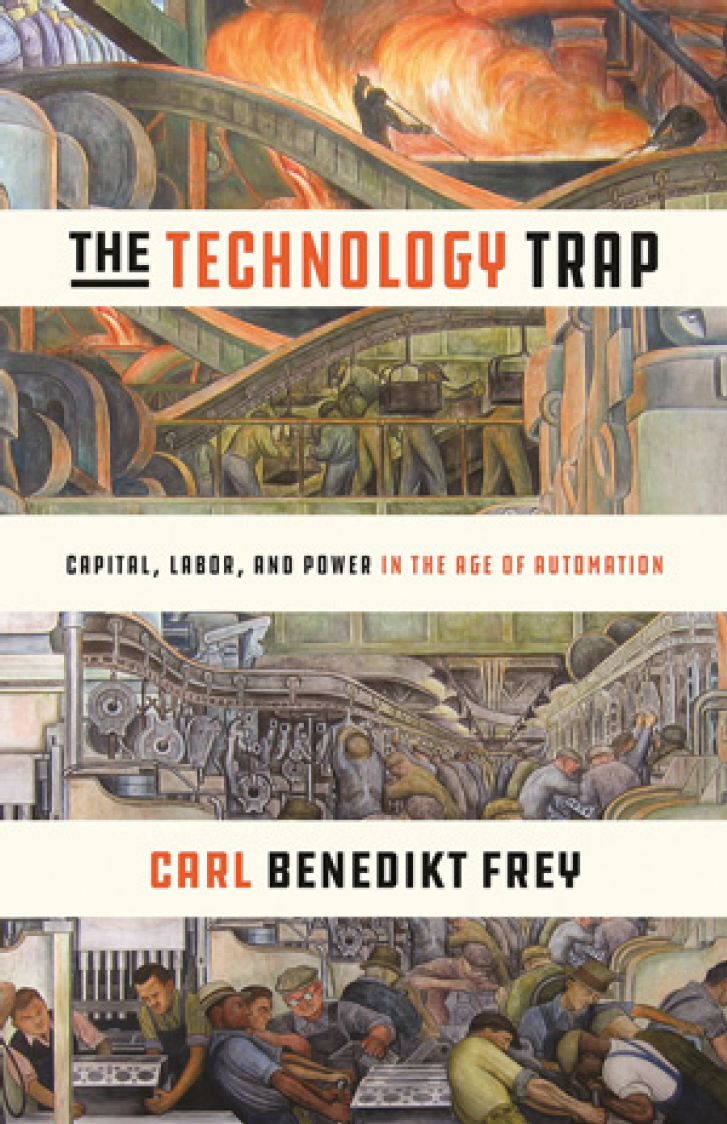
Economist Carl Benedikt Frey offers a refreshingly human-centered analysis of technological progress in The Technology Trap: Capital, Labor, and Power in the Age of Automation. A book review from the Fall 2019 issue.

Kiva’s new strategy extends far beyond the organization’s original mission and legacy as a crowdfunding platform for microfinance. Can it succeed and still retain its original spirit? A Case Study from the Fall 2019 issue.

An earned-income business model can tempt nonprofits to pursue the wrong revenue opportunities but they can also be a more reliable income stream than grants or gifts. An Editor's Note from the Fall 2019 issue.


Funders are calling for more program evaluation, but nonprofits are often collecting dubious data, at great cost to themselves and ultimately to the people they serve.

Large-scale social change requires broad cross-sector coordination, not the isolated intervention of individual organizations.

For NGOs, impact comes in different forms and to track the cycles of social change work, we must think across the tangibility and the speed of emergence of change.

With an understanding of these 10 funding models, nonprofit leaders can use the for-profit world's valuable practice of engaging in succinct and clear conversations about long-term financial strategy.

Professionalism has become coded language for white favoritism in workplace practices that more often than not leave behind people of color. This is the fourth of 10 articles in a special series about diversity, equity, and inclusion.