


Development in Retreat?
Finding a way forward in the global pullback from solidarity
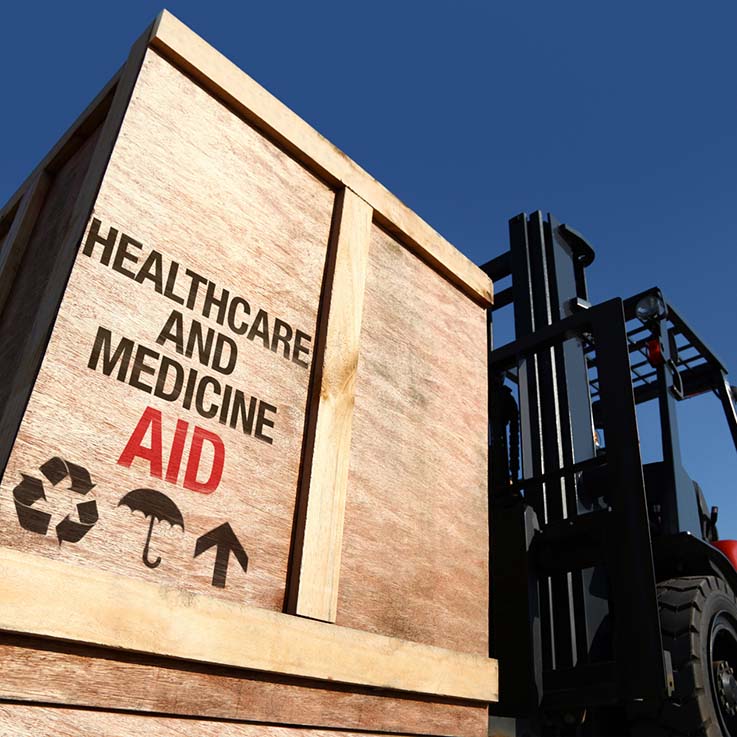
Finding a way forward in the global pullback from solidarity
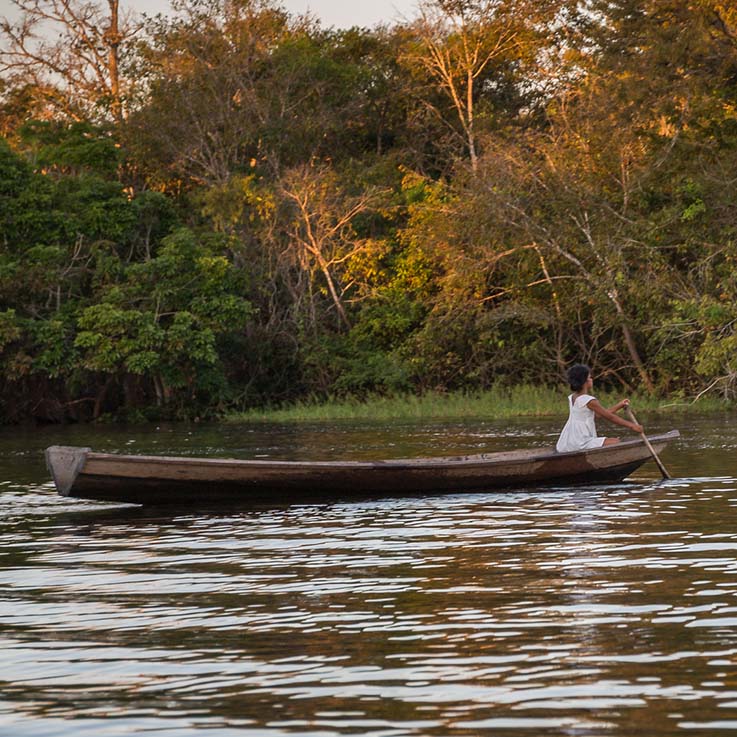
Climate change and slavery form a vicious cycle. Collective action for a free and livable future is an opportunity to combat both at once.
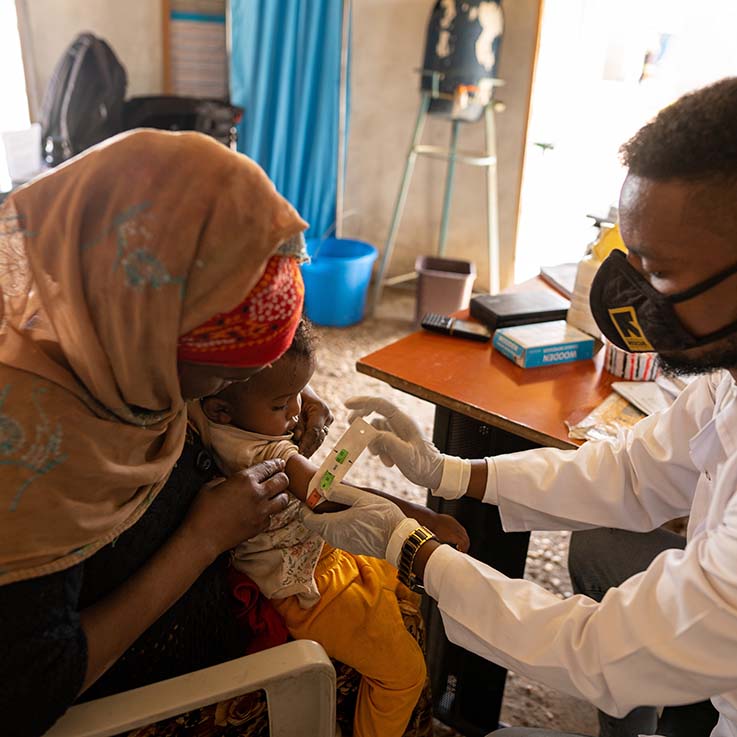
How humanitarian organizations can use cost evidence to survive global aid's "Great Depression" and scale what works to save more lives.

A simple but powerful exercise for teams of all sizes and types.
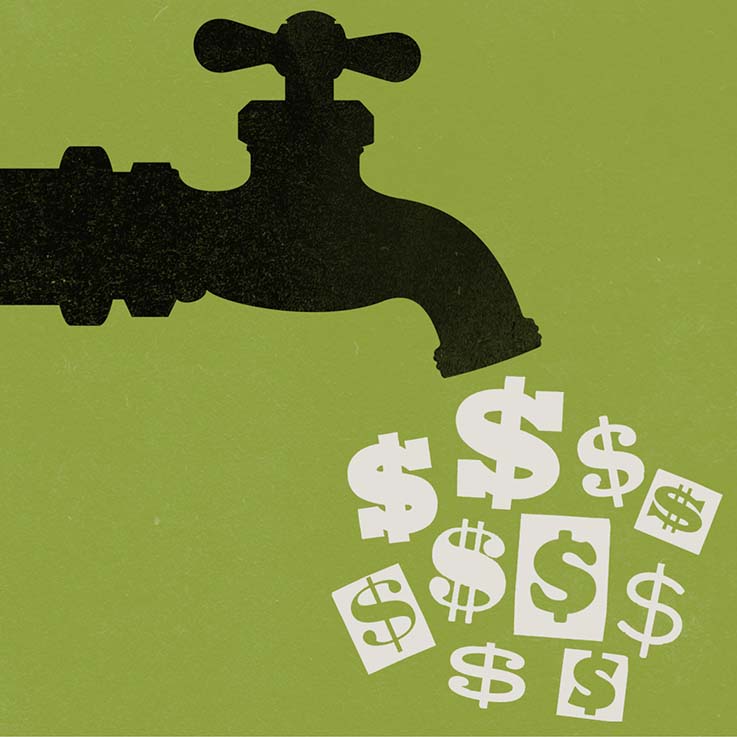
In a crisis, how can foundations justify perpetuity as a guiding star? Increasing payouts goes hand in hand with a trust-based philanthropy approach that prioritizes supporting our partners.


Funders are calling for more program evaluation, but nonprofits are often collecting dubious data, at great cost to themselves and ultimately to the people they serve.

Large-scale social change requires broad cross-sector coordination, not the isolated intervention of individual organizations.

For NGOs, impact comes in different forms and to track the cycles of social change work, we must think across the tangibility and the speed of emergence of change.

With an understanding of these 10 funding models, nonprofit leaders can use the for-profit world's valuable practice of engaging in succinct and clear conversations about long-term financial strategy.

Professionalism has become coded language for white favoritism in workplace practices that more often than not leave behind people of color. This is the fourth of 10 articles in a special series about diversity, equity, and inclusion.