

The Internet of Things Is Now a Thing
Several ventures now under way in developing countries show how networks of connected machines can drive economic growth.
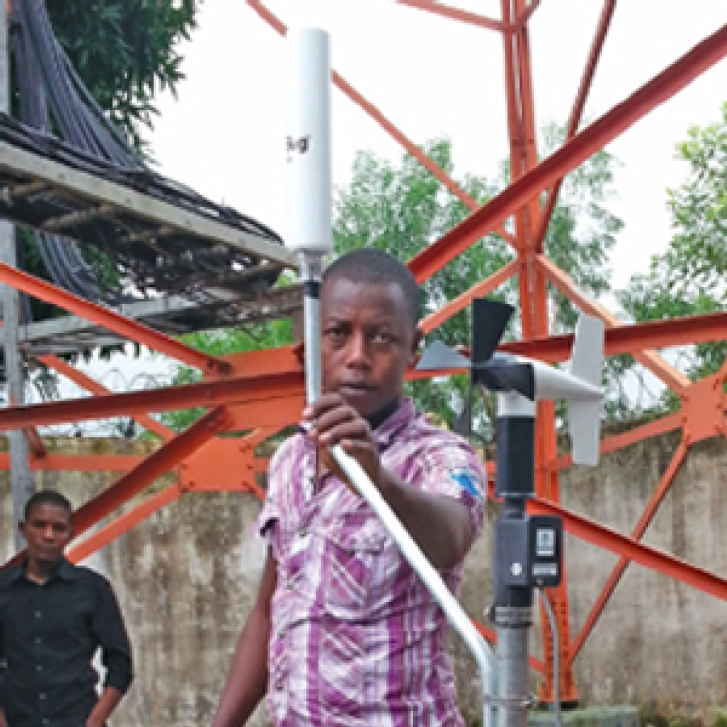
Several ventures now under way in developing countries show how networks of connected machines can drive economic growth.

A system that combines software and sensors promises to improve farmers’ ability to manage, conserve, and lease water.
New tools and practices are helping low-income Americans use rent payments to build up their financial profile.
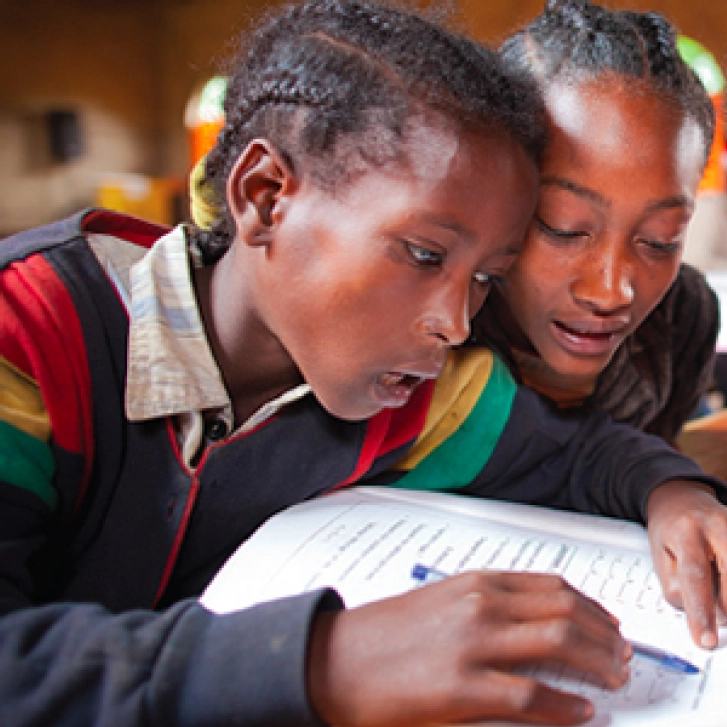
In Ethiopia, a foundation-led initiative uses accelerated learning techniques to give young people a second chance at an education.

Delivering nutritious school lunch fare on a large scale is the social mission—and the business model—of Revolution Foods.


Funders are calling for more program evaluation, but nonprofits are often collecting dubious data, at great cost to themselves and ultimately to the people they serve.

Large-scale social change requires broad cross-sector coordination, not the isolated intervention of individual organizations.

For NGOs, impact comes in different forms and to track the cycles of social change work, we must think across the tangibility and the speed of emergence of change.

With an understanding of these 10 funding models, nonprofit leaders can use the for-profit world's valuable practice of engaging in succinct and clear conversations about long-term financial strategy.

Professionalism has become coded language for white favoritism in workplace practices that more often than not leave behind people of color. This is the fourth of 10 articles in a special series about diversity, equity, and inclusion.