


An Opportunity to Build, In the Crisis
As philanthropy rallies to the defense of the nonprofit sector, how money is spent is as important as how much.

As philanthropy rallies to the defense of the nonprofit sector, how money is spent is as important as how much.
What’s the impact of recent funding cuts to humanitarian aid? How are organizations reorganizing their critical work with vulnerable communities? Bob Kitchen of the International Rescue Committee and Harriet Carvalho of DAFGiving360 join SSIR editor Barbara Wheeler-Bride to discuss the Trump administration’s unprecedented cuts to foreign aid and how donors can respond. A sponsored podcast developed with the support of DAFgiving360

The polycrisis requires seeding new forms of holistic problem-solving across multiple systems.
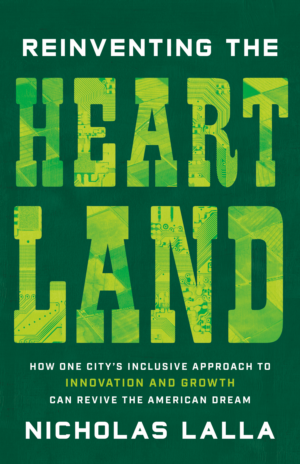
Urbanist Nicholas Lalla offers a playbook for tech-led economic development in midsize cities, avowing that inclusive growth can offset the worsening wealth inequities that the tech sector has helped generate.
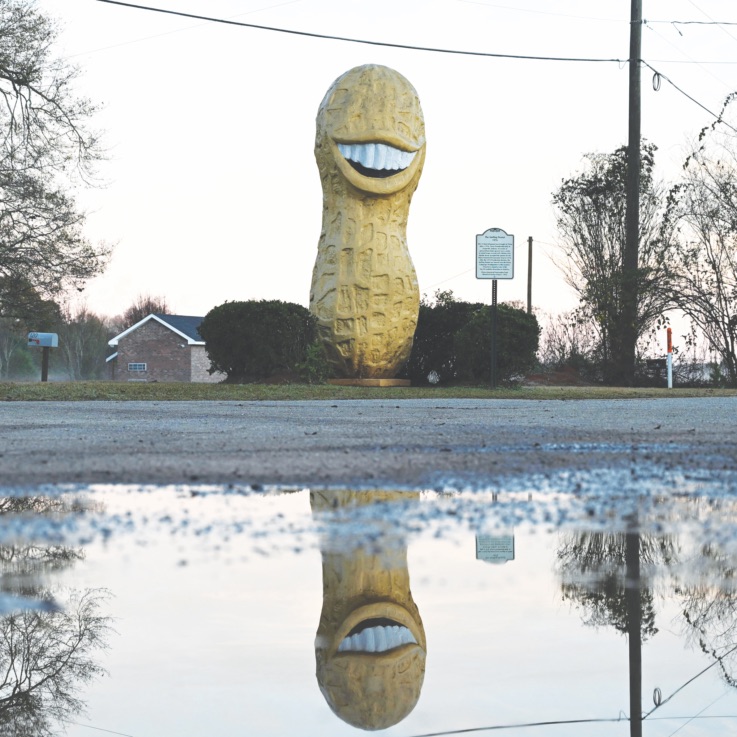
The landmark in Plains, Georgia, gives a nod to the late president’s big grin and humble beginnings.

A teachers’ union brings together members from opposed political sides by focusing on community interests.
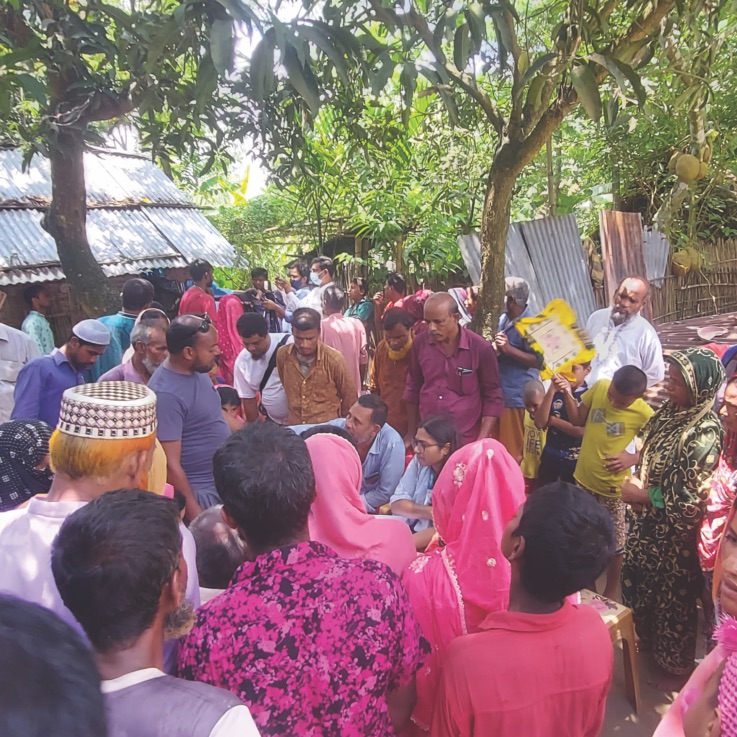
Shraddha Rehabilitation Foundation rescues wanderers from India’s streets, treating them for their mental illnesses and reuniting them with their families.
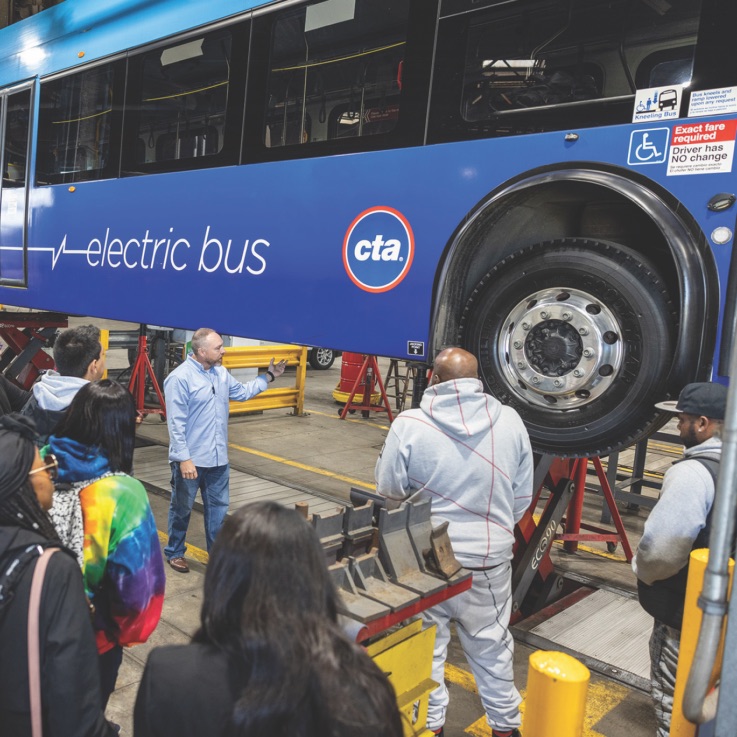
Chicago-based HIRE360 connects underrepresented workers and businesses to opportunities within the traditionally insular world of construction.

A collection of standout pieces published online about co-leadership, democracy, multigenerational living, Gen Z, and global development’s power dynamics.

The cover story of our new issue examines efforts around the world to prevent identity-based violence, genocide, and mass atrocities.