



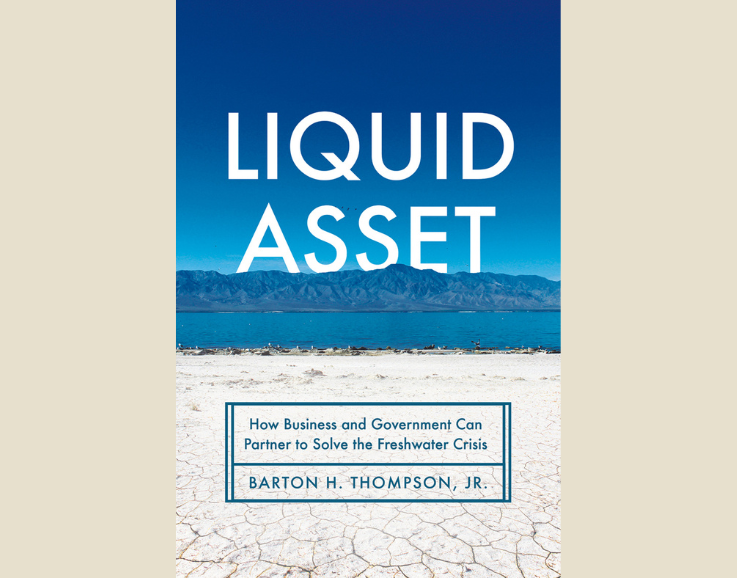
Liquid Asset examines how the public and private sectors can better collaborate on our society’s pressing water problems.
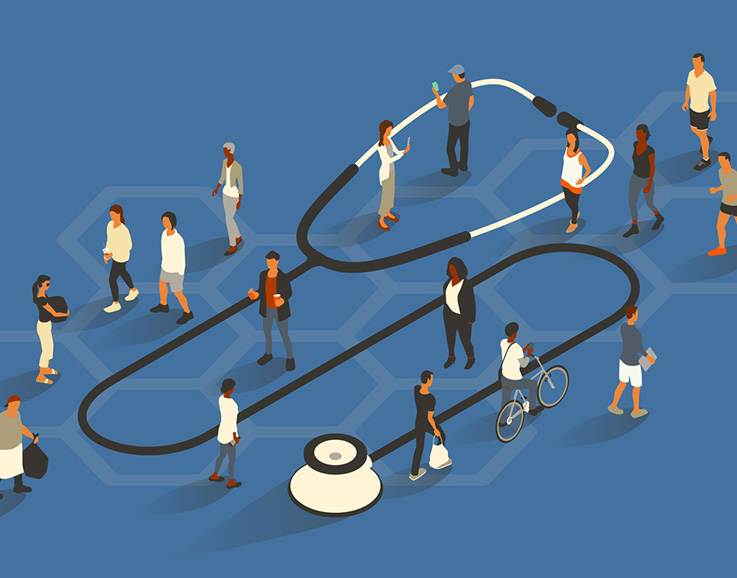
A new framework for understanding the opportunity for health care innovators to dig deeper.
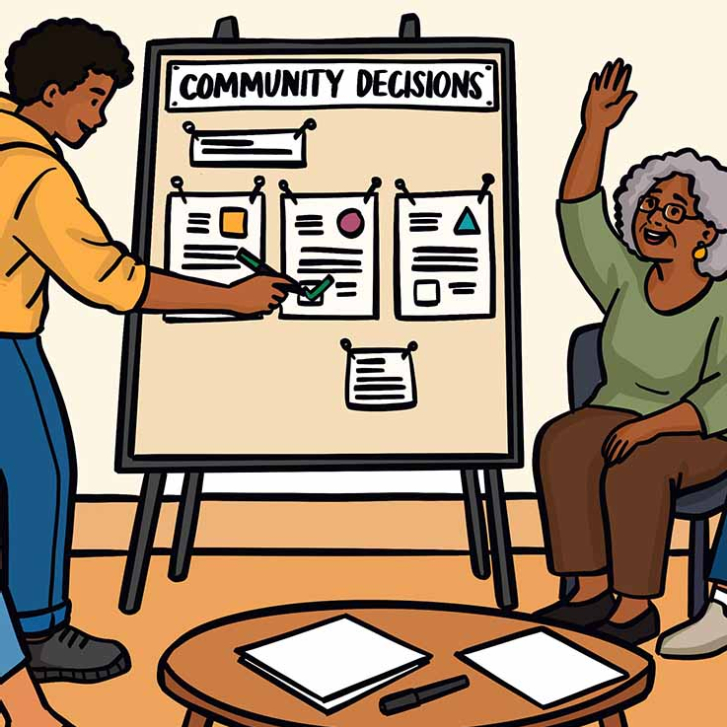
Organizations that put authentic community governance at the heart of their work are using civic data to drive better decisions, generate more durable trust, and produce positive social change.

Men at high risk of violence interpret situations in ways that justify their violent response. Cognitive behavioral therapy can help.

University of the People offers quality higher education online for free to anyone anywhere in the world.

Health-climate warning labels at gas pumps are gaining political momentum as research shows they can shift consumer attitudes away from fossil fuels.

The many discoveries from education research aren't making it to the classroom. It should follow the medical model of building infrastructure to translate research into impact.


Large-scale social change requires broad cross-sector coordination, not the isolated intervention of individual organizations.

With an understanding of these 10 funding models, nonprofit leaders can use the for-profit world's valuable practice of engaging in succinct and clear conversations about long-term financial strategy.

Professionalism has become coded language for white favoritism in workplace practices that more often than not leave behind people of color. This is the fourth of 10 articles in a special series about diversity, equity, and inclusion.

By working closely with the clients and consumers, design thinking allows high-impact solutions to social problems to bubble up from below rather than being imposed from the top.

Five principles based in social science that will help organizations connect their work to what people care most about.