


The Promise of Community-Driven Science
A new generation of scientists and community activists is committed to making science more democratic and equitable.

A new generation of scientists and community activists is committed to making science more democratic and equitable.

Funders must abandon top-down, one-sided funding approaches in favor of partnerships with the disability community.

Civic science platform ISeeChange mobilizes communities to take action on climate change.

Governments, academia, civil society, philanthropists, and the private sector must jointly take five priority actions to stop the global spread of disease.
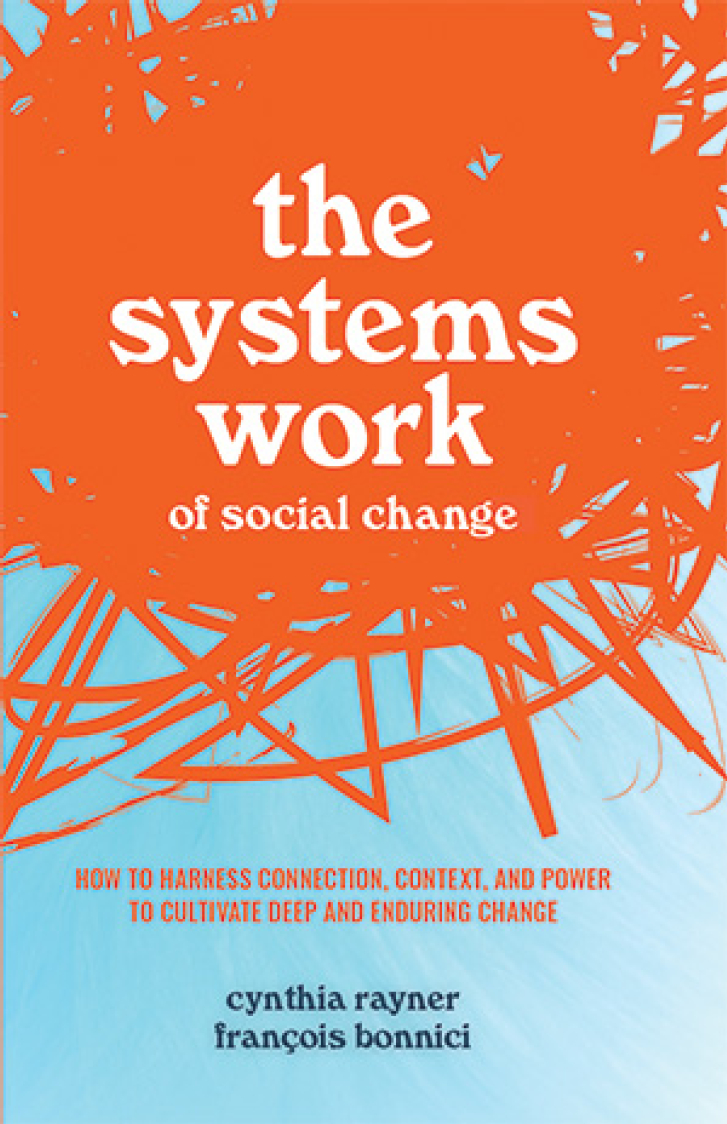
Cynthia Rayner and François Bonnici recommend that organizations seeking systems change focus less on outcomes and more on principles and practice.


Large-scale social change requires broad cross-sector coordination, not the isolated intervention of individual organizations.

Professionalism has become coded language for white favoritism in workplace practices that more often than not leave behind people of color. This is the fourth of 10 articles in a special series about diversity, equity, and inclusion.

Conventional wisdom says that scaling social innovation starts with strengthening internal management capabilities. This study of 12 high-impact nonprofits, however, shows that real social change happens when organizations go outside their own walls and find creative ways to enlist the help of others.

Business leaders play vital roles in the nonprofit sector – as board members, donors, partners, and even executives. Yet all too often they underestimate the unique challenges of managing nonprofit organizations.

The deep changes necessary to accelerate progress against society's most intractable problems require someone who catalyzes collective leadership.