


Paying It Forward in International Development
Development practitioners must build a culture of learning, negotiation, and collaboration, so that the generation and use of evidence are integrated into program design and implementation.
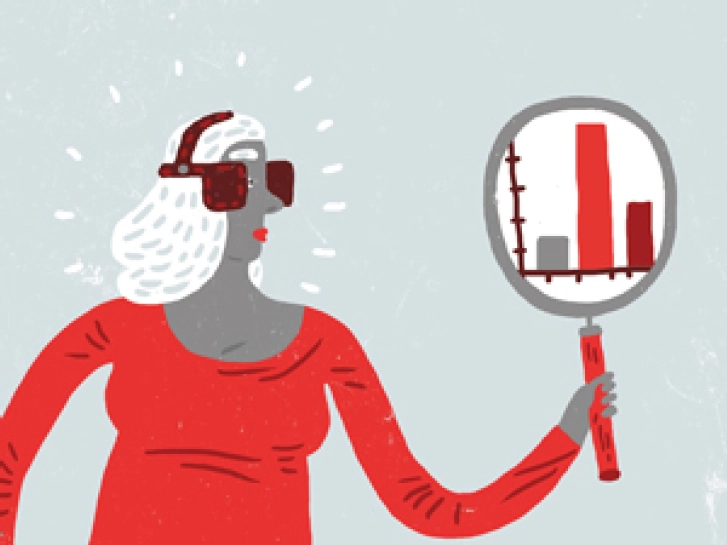
Development practitioners must build a culture of learning, negotiation, and collaboration, so that the generation and use of evidence are integrated into program design and implementation.

Companies seeking to do business in low-income markets often make the mistake of transferring assets from higher-income markets to fill perceived gaps. They should instead look to partner with those who live in these markets and to identify the assets already available there.

The Missouri Model lays out a framework, based on the science of trauma, that organizations can use to shift culture and policies and improve outcomes. A feature article from the Summer 2019 issue.

A new class of innovators is advancing the public good by figuring out what people actually need and then testing, improving, and scaling solutions that may already be out there. Here are the four elements of their method.

Children and adolescents confront a mental health treatment gap in which many who need help do not get it. Philanthropy can help fill this gap by investing in new models of delivering care.


Funders are calling for more program evaluation, but nonprofits are often collecting dubious data, at great cost to themselves and ultimately to the people they serve.

Large-scale social change requires broad cross-sector coordination, not the isolated intervention of individual organizations.

With an understanding of these 10 funding models, nonprofit leaders can use the for-profit world's valuable practice of engaging in succinct and clear conversations about long-term financial strategy.
Social entrepreneurship is attracting growing amounts of talent, money, and attention, but along with its increasing popularity has come less certainty about what exactly a social entrepreneur is and does.

By working closely with the clients and consumers, design thinking allows high-impact solutions to social problems to bubble up from below rather than being imposed from the top.