Unveiling the Informal Economy
Stereotypes cloud our perception of the informal economy, but we have much to learn from the entrepreneurship that unfolds there.
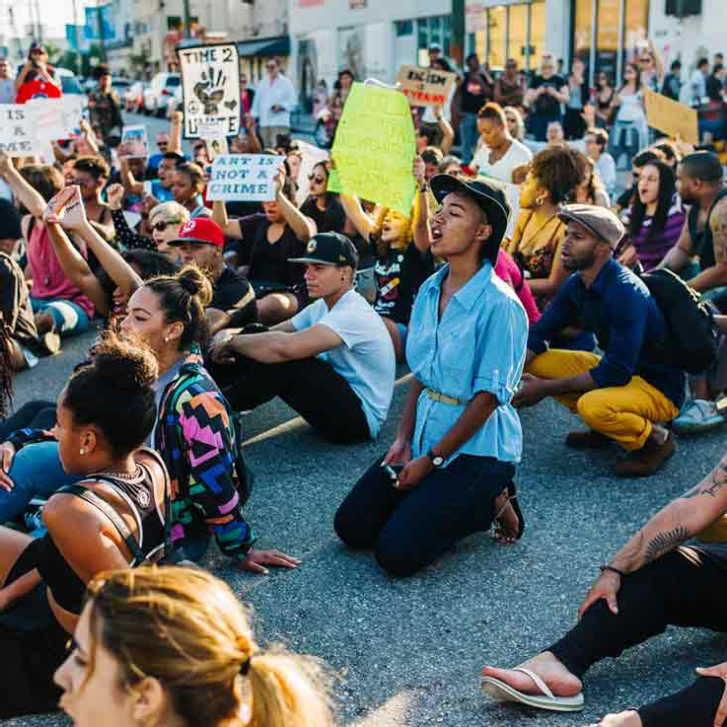
The Black protests of the US civil rights era influenced the national political agenda via the media coverage they received.
Failure to Disrupt details the promise and pitfalls of technology in the remote classroom.
Lessons learned when PIVOT shifted its center of gravity from the United States to Madagascar by letting go of the majority of its US-based team.
A new biography of Madam C. J. Walker shows how America’s first self-made female millionaire and Black entrepreneur put philanthropy at the center of her business and life.
Large-scale social change requires broad cross-sector coordination, not the isolated intervention of individual organizations.
With an understanding of these 10 funding models, nonprofit leaders can use the for-profit world's valuable practice of engaging in succinct and clear conversations about long-term financial strategy.
Professionalism has become coded language for white favoritism in workplace practices that more often than not leave behind people of color. This is the fourth of 10 articles in a special series about diversity, equity, and inclusion.
By working closely with the clients and consumers, design thinking allows high-impact solutions to social problems to bubble up from below rather than being imposed from the top.
Five principles based in social science that will help organizations connect their work to what people care most about.