


Umbrella Soldiers
As both a symbol and a tool, the umbrellas used by Hong Kong protesters serve as a cunning accomplice in their fight to sustain democracy.
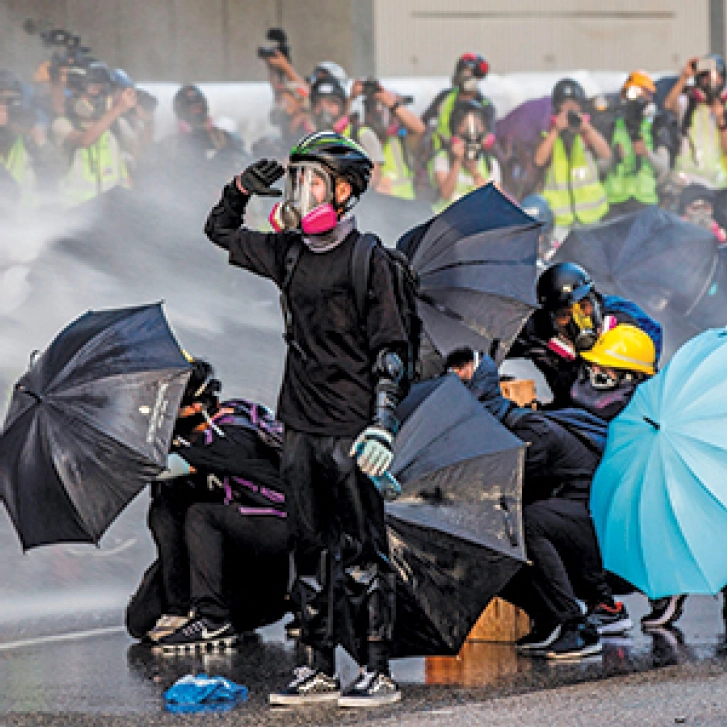
As both a symbol and a tool, the umbrellas used by Hong Kong protesters serve as a cunning accomplice in their fight to sustain democracy.

Co-creating evidence with communities and decision makers can lead to research with more impact.
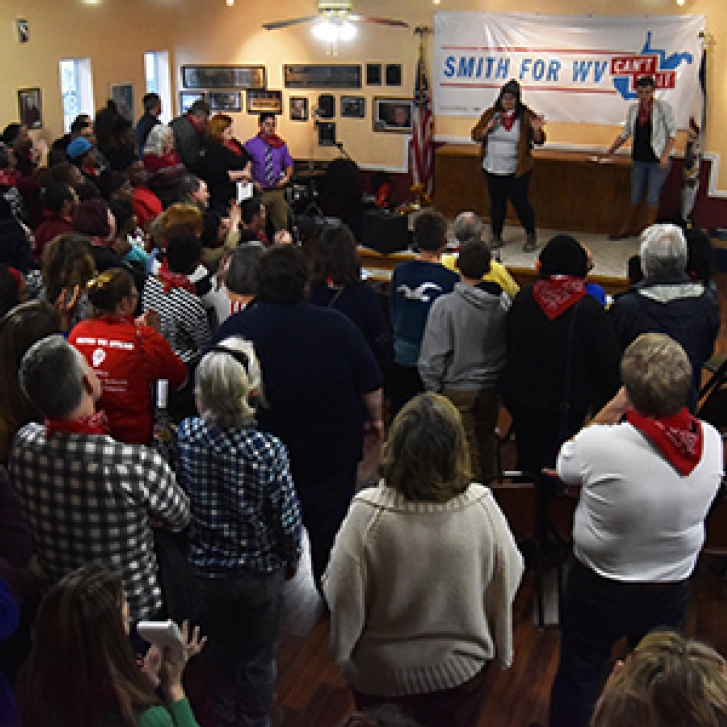
How the West Virginia Can’t Wait movement is using a gubernatorial race as a platform to raise up new leaders for the future, win or lose.

In response to the coronavirus epidemic, SSIR has temporarily halted seeking submissions for a series on extreme polarization and how it affects civil society's efforts to solve social problems, and how to build collaborations, communicate with the public, and manage conflict in a divided world.

Typical capacity building focuses on fixing nonprofits' weaknesses. It instead should start with the premise that every organization has core strengths on which it can build.


Funders are calling for more program evaluation, but nonprofits are often collecting dubious data, at great cost to themselves and ultimately to the people they serve.
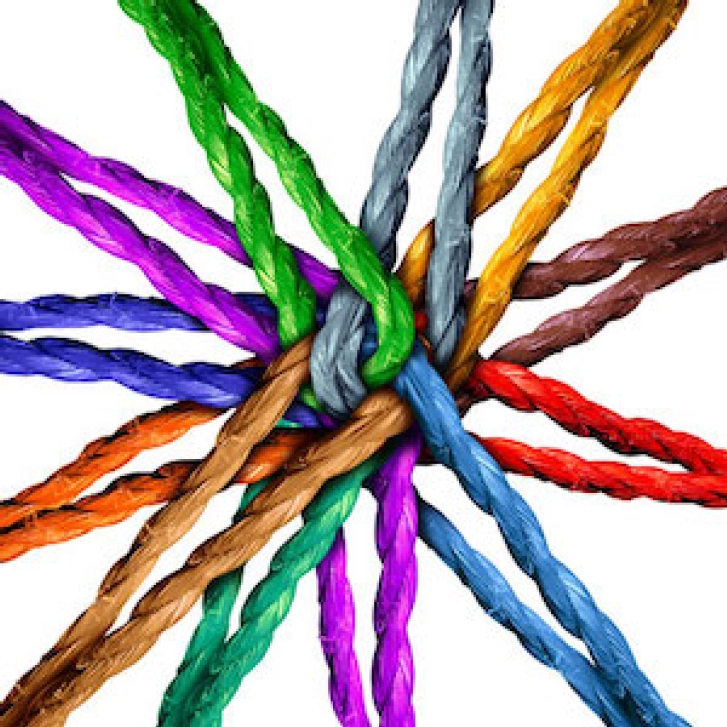
Large-scale social change requires broad cross-sector coordination, not the isolated intervention of individual organizations.
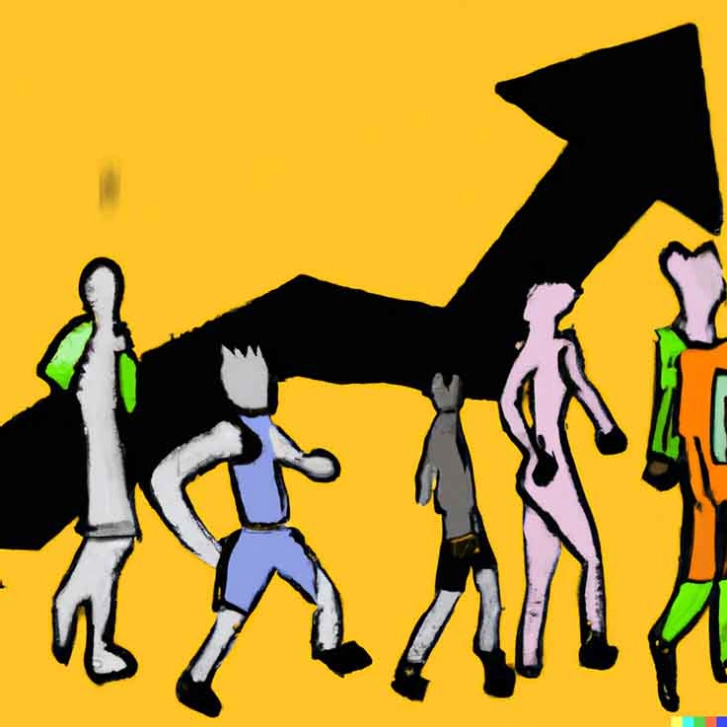
For NGOs, impact comes in different forms and to track the cycles of social change work, we must think across the tangibility and the speed of emergence of change.

With an understanding of these 10 funding models, nonprofit leaders can use the for-profit world's valuable practice of engaging in succinct and clear conversations about long-term financial strategy.

Professionalism has become coded language for white favoritism in workplace practices that more often than not leave behind people of color. This is the fourth of 10 articles in a special series about diversity, equity, and inclusion.