


Building Financially Resilient Nonprofits: Lessons From the Field
“Resilience” is a favorite buzzword these days, but what does it really mean, and how can grantmakers and nonprofits take practical steps toward achieving it?
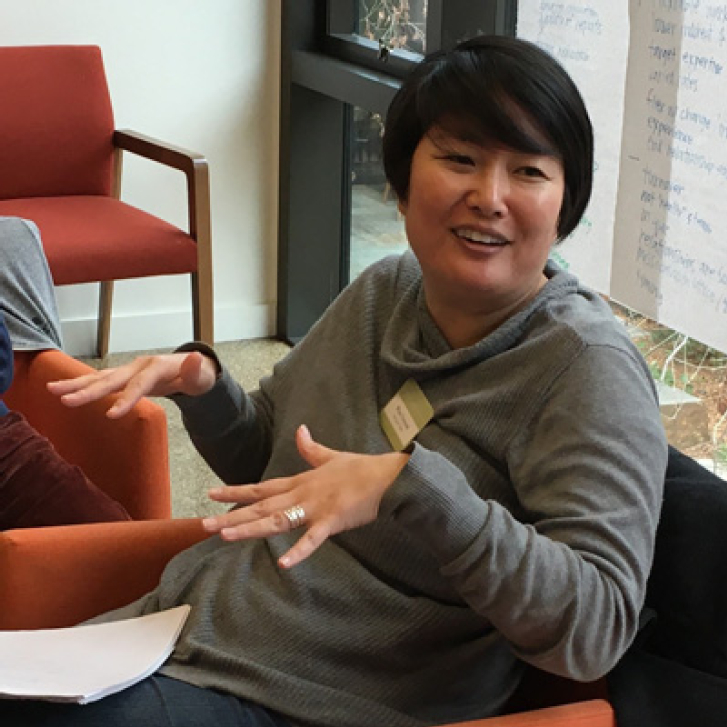
“Resilience” is a favorite buzzword these days, but what does it really mean, and how can grantmakers and nonprofits take practical steps toward achieving it?

A growing chorus of critics are questioning whether big philanthropy is actually a good thing.

AI4ALL’s summer programs for high schoolers aim to increase diversity in the growing field of artificial intelligence.
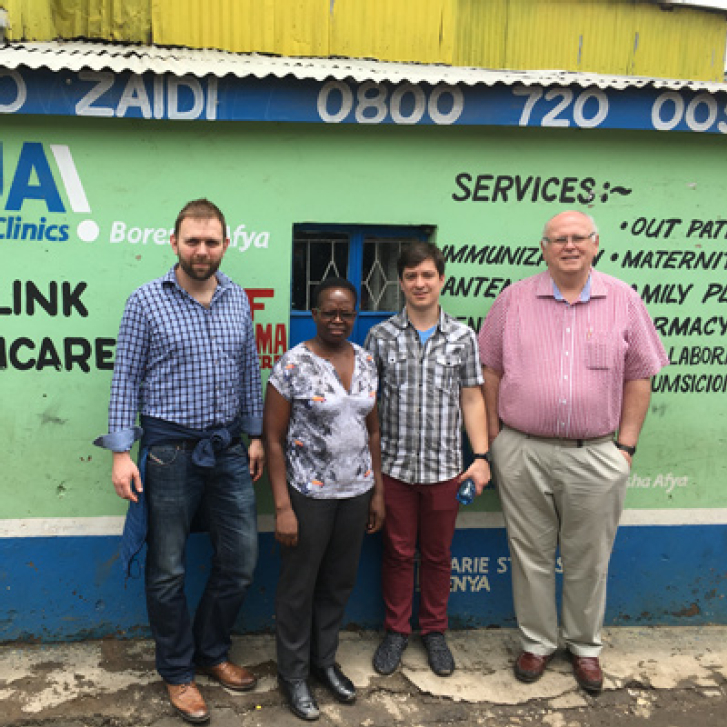
By delivering innovation services to the insurance industry, Ninety Consulting aims to generate and give away a billion pounds ($1.32 billion) over 30 years.
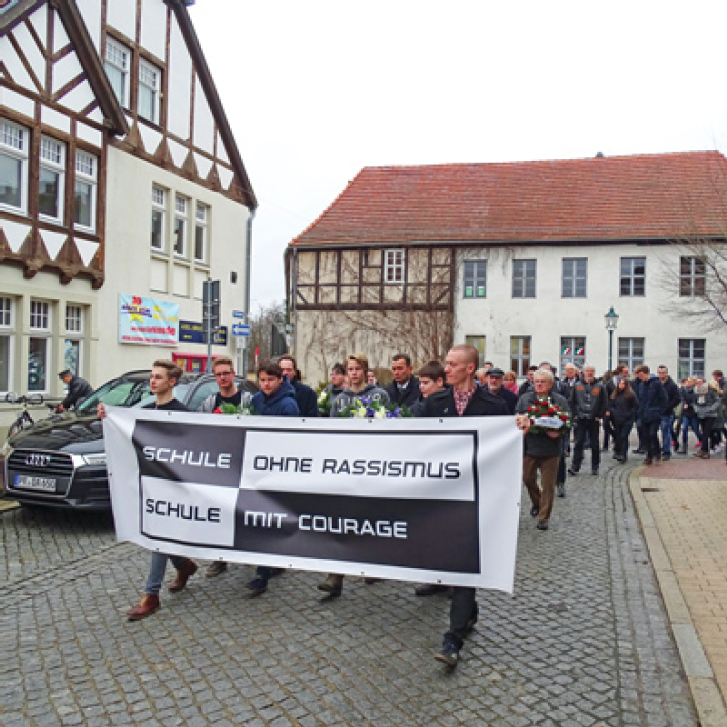
NGO Aktion Courage spurs students’ activist energy to promote antiracist programming across Germany.


Funders are calling for more program evaluation, but nonprofits are often collecting dubious data, at great cost to themselves and ultimately to the people they serve.

Large-scale social change requires broad cross-sector coordination, not the isolated intervention of individual organizations.

For NGOs, impact comes in different forms and to track the cycles of social change work, we must think across the tangibility and the speed of emergence of change.

With an understanding of these 10 funding models, nonprofit leaders can use the for-profit world's valuable practice of engaging in succinct and clear conversations about long-term financial strategy.

Professionalism has become coded language for white favoritism in workplace practices that more often than not leave behind people of color. This is the fourth of 10 articles in a special series about diversity, equity, and inclusion.