How to Build More Resilient Networks
Social impact networks inevitably face moments of existential crisis. But networks can prepare for them by asking the right questions.
New and in-depth explorations of solutions to social, environmental, or organizational problems (more)
Social impact networks inevitably face moments of existential crisis. But networks can prepare for them by asking the right questions.
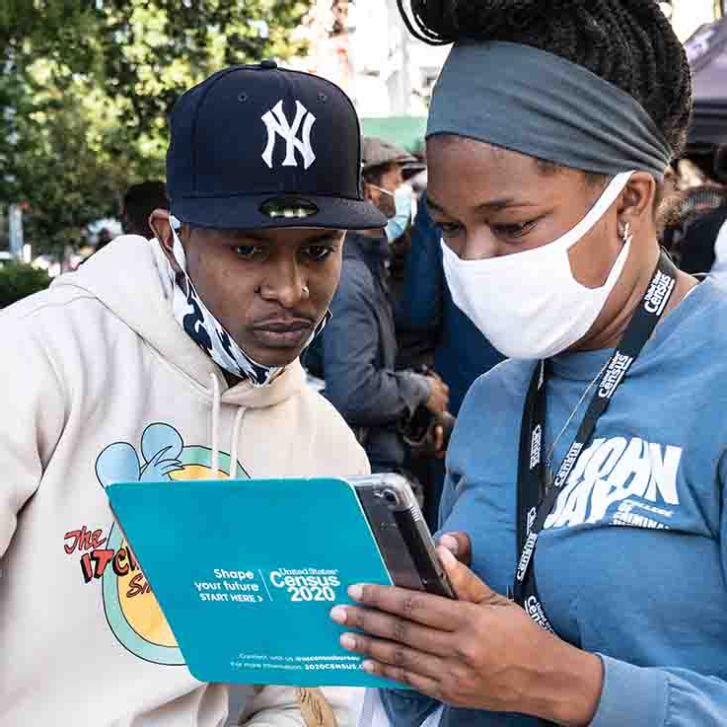
A collaborative of foundations and nonprofits took action to mitigate the harms resulting from a series of unfortunate and nefarious events that jeopardized the accuracy of the latest census. Here’s how they did it—and how their lessons can now be used in service of the next decennial.
Bringing high-tech operations into the geographical heart of excluded communities jump-starts mass participation, galvanizing economic advancement for their members while challenging accepted norms of diversity, equity, and inclusion.
Our research into 19 multistakeholder health efforts identified the crucial factors and leadership moves that together lead to success or failure.
Entrepreneurial support organizations called pacers are helping businesses in emerging markets achieve their goals by providing services for them in the long run. A blueprint for shifting to a pacer model shows how organizations can support entrepreneurs as they grow.
Open access to this article made possible by Stanford Seed.
Companies must account for Indigenous peoples’ human and land rights to understand and address business and climate risks.
How should a nonprofit decide whether to accept or reject a donation from a controversial source? Start by thinking about what the nonprofit gives in return.
Corporations can achieve greater environmental and financial performance by developing and implementing circular business model strategies.
Tackling the world’s many problems does not require starting with large, ambitious proposals. Instead, we should begin with minimum viable consortia—small, agile initiatives that can learn and adapt as they grow.
Social problems are entrenched in distressed communities. New approaches for uplifting neighborhoods demonstrate the scale and collaboration necessary to offer opportunity to all.