


The Divided Hospital
Incivility between doctors and nurses leads to higher rates of patient death and medical errors.
Highlights from scholarly journals (more)

Incivility between doctors and nurses leads to higher rates of patient death and medical errors.
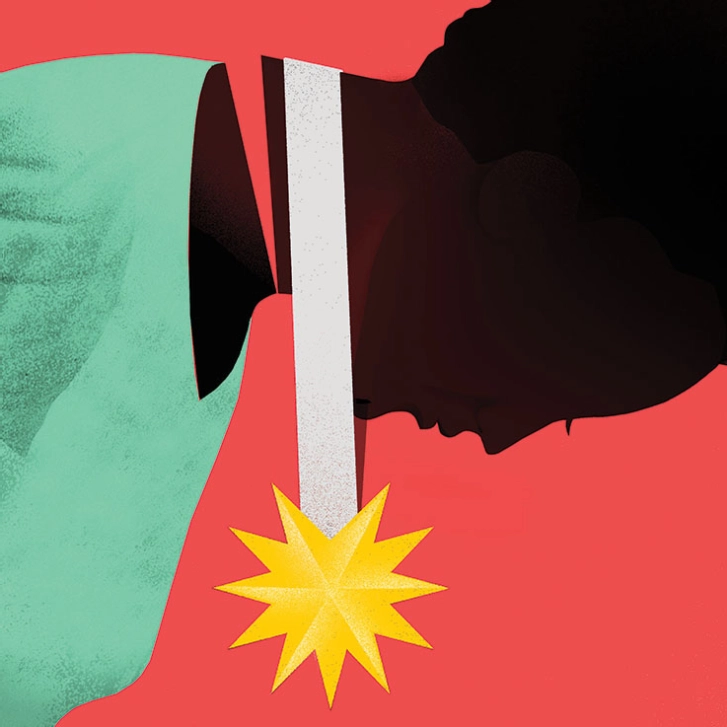
Workers labeled “heroes” become vulnerable to exploitation.
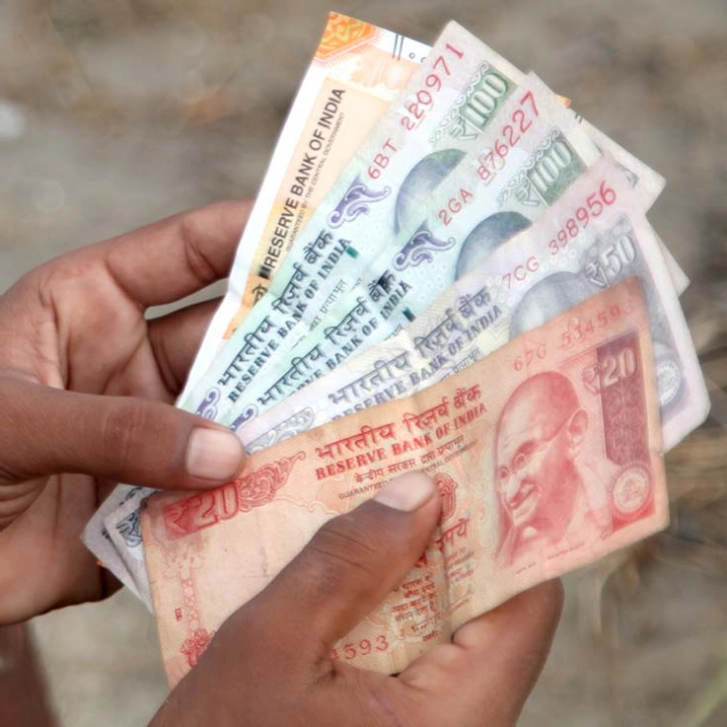
Microfinance relies on social networks for repayment, but those same networks can backfire during a financial crisis.

Police shootings of unarmed individuals increase civic engagement among local Black and Hispanic residents.

Technology tools used to identify racially diverse candidates made employees at one company feel like Black and brown candidates were being commodified.

An international study suggests remedies for online disinformation like accuracy prompts and crowdsourcing are broadly effective across cultures and nations.
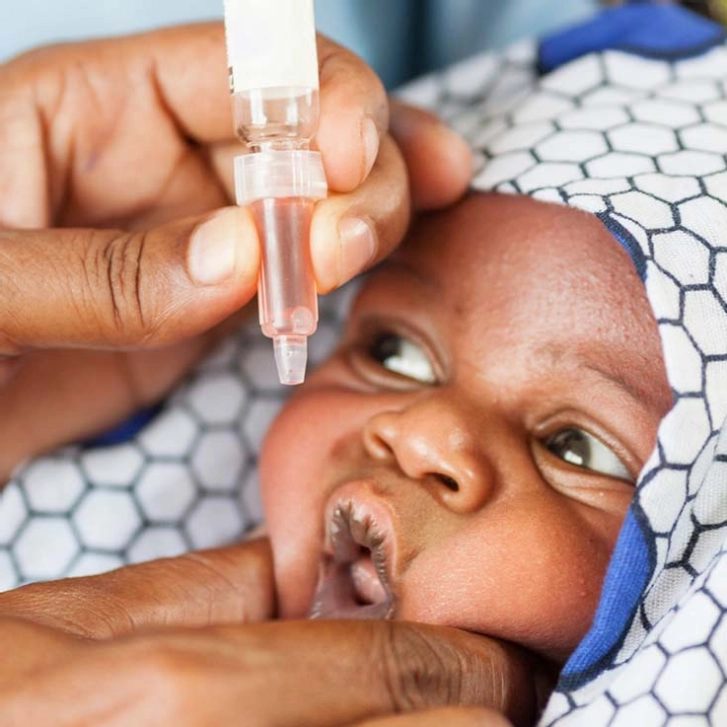
Performance-based incentives, auditing, and feedback boost performance at health centers in the Democratic Republic of Congo.
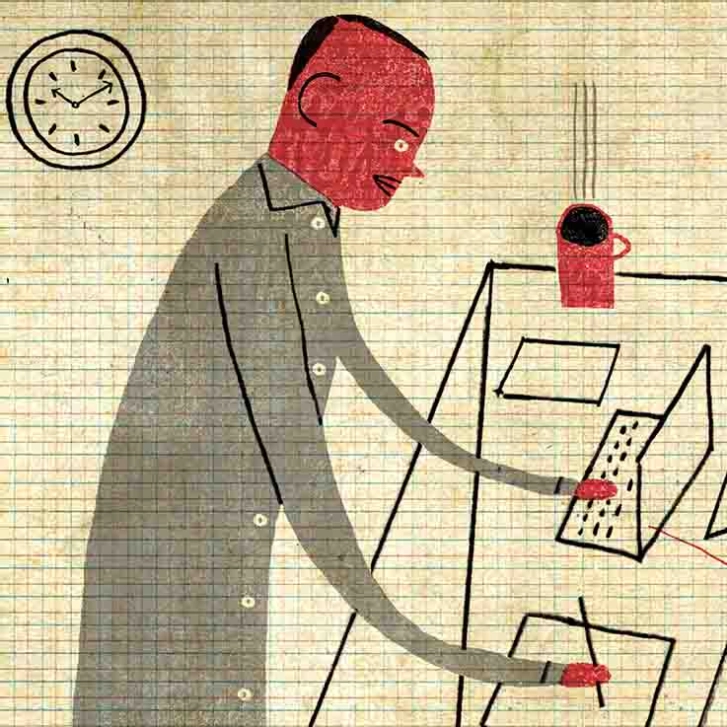
Employees are more likely to use their employers to engage in activism when the potential for garnering attention is high and the risk low.
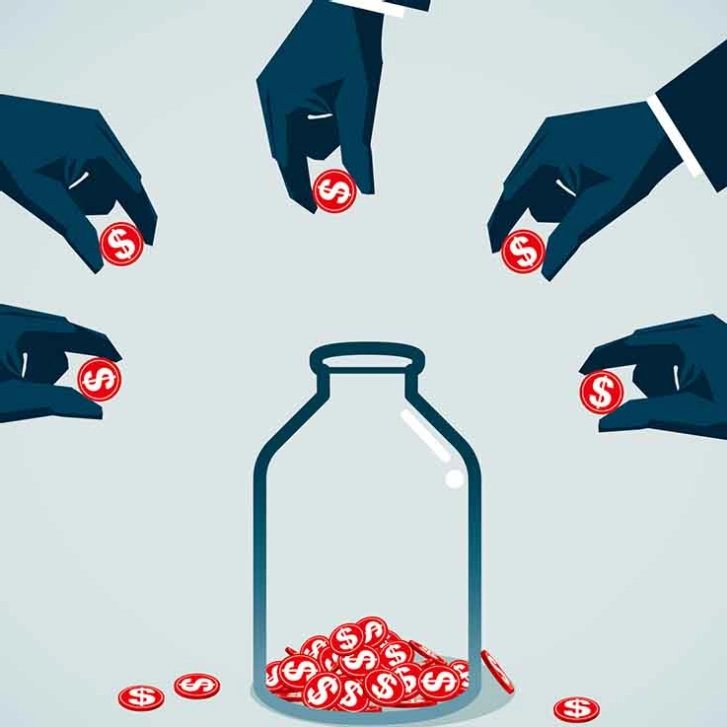
Appeals for donations should be strategic about framing the request in terms of “need” or “want.”

Classrooms shape students’ ideas of merit differently, depending on their social class.