


The United States Needs Career-Connected Learning
With a study-and-work approach, we can create more opportunities for more students beyond high school. A Viewpoint from the Fall 2019 issue.

With a study-and-work approach, we can create more opportunities for more students beyond high school. A Viewpoint from the Fall 2019 issue.
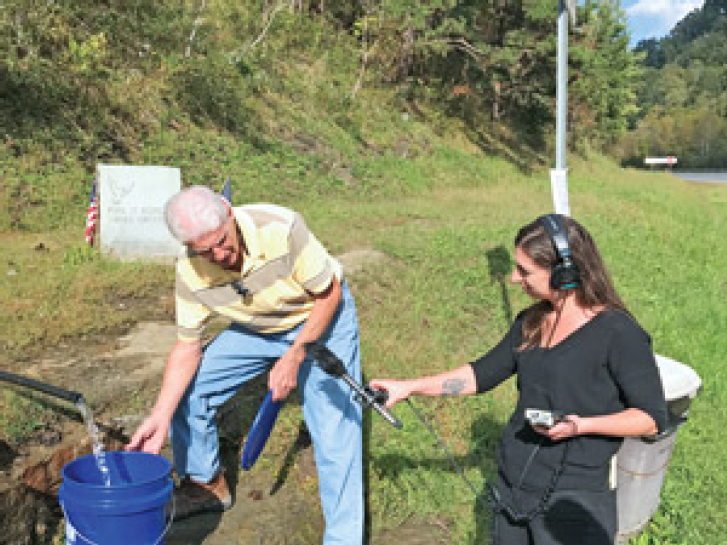
Journalism corps program Report for America pairs working journalists with resource-strapped local news organizations for a yearlong employment contract. A What's Next article from the Fall 2019 issue.

States that undergo a process of transitional justice are selective about the international norms they adopt. A Research article from the Fall 2019 issue.
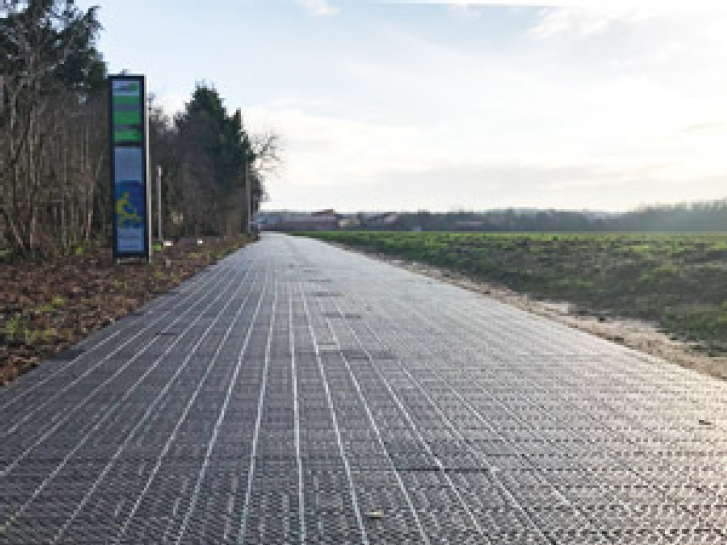
The two-person company Solmove has a plan to pave Germany’s roads with small, durable, slip-resistant solar panels. A What's Next article from the Fall 2019 issue.

A 1970s partnership between wealthy white liberals and black activists illustrates the tensions of race and power in philanthropy. A Research article from the Fall 2019 issue.
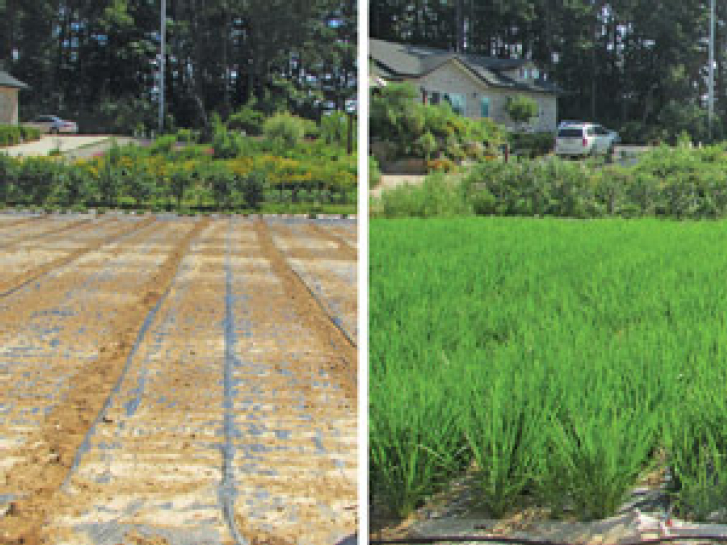
South Korea’s Green and Seed is using new technology to move more of the world’s rice production upland, out of flooded fields. A What's Next article from the Fall 2019 issue.

The Fairmount Corridor project revealed a central tension in community development: Community-based organizations both enhance and undermine democracy. A Research article from the Fall 2019 issue.
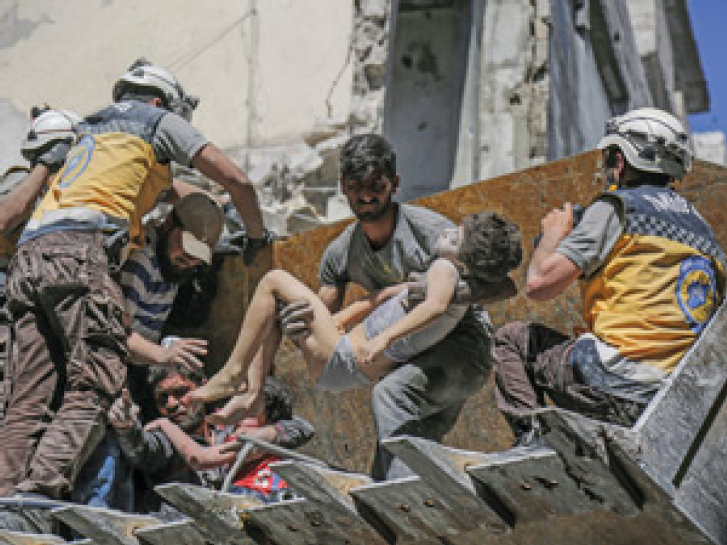
Syrian President Bashar al-Assad’s forces have relentlessly targeted the White Helmets, a group of volunteers in the Syria Civil Defense that formed in 2014 and has been nominated for a Nobel Peace Prize three times. A Last Look from the Fall 2019 issue.
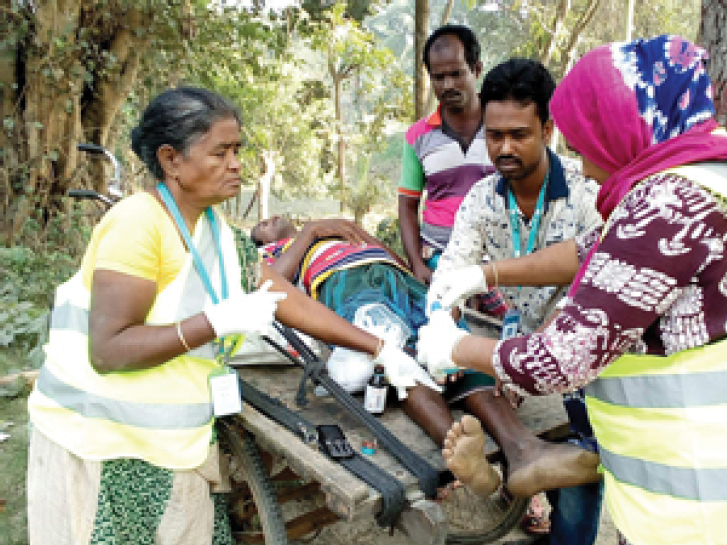
The chaos of Dhaka's roads inspired Jon Moussally, a physician in Massachusetts and instructor at the Harvard T.H. Chan School of Public Health, to cofound a volunteer-based emergency response system aimed at reducing death from road traffic injuries. A Field Report from the Fall 2019 issue.

Our work in Israel promoting socioeconomic equity for Arab municipalities shows how to improve public service provision and cross-sector collaboration. A Viewpoint from the Fall 2019 issue.