


Inclusive Mentorship
A yearlong mentorship program teaches leadership and independent living skills to young disabled women.
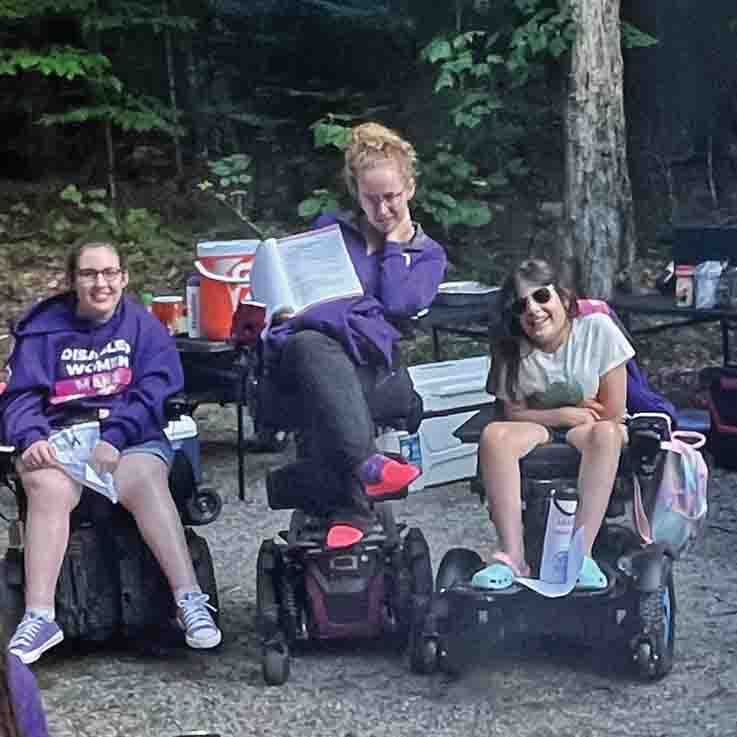
A yearlong mentorship program teaches leadership and independent living skills to young disabled women.
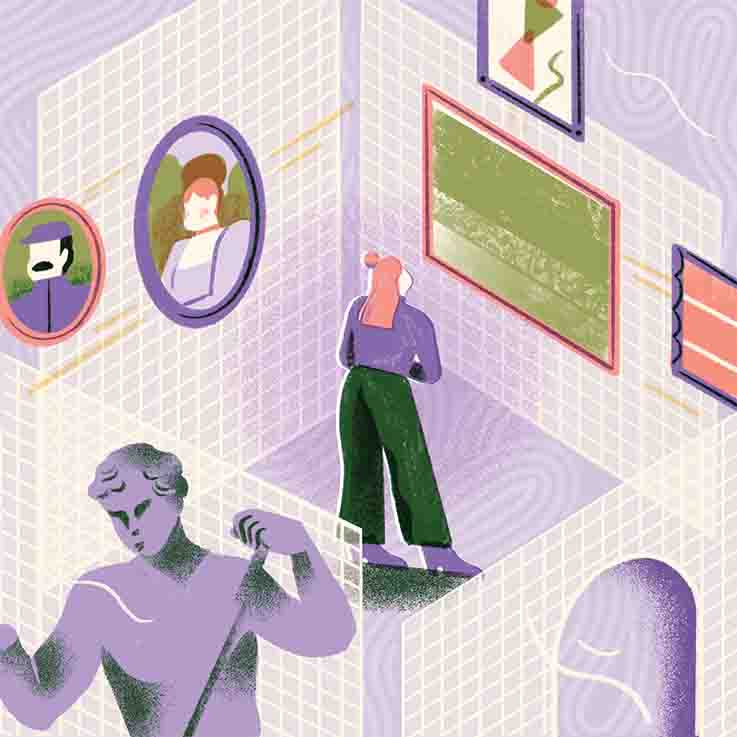
The Barnes Foundation is using digital tools to grow its educational mission and reach new audiences.
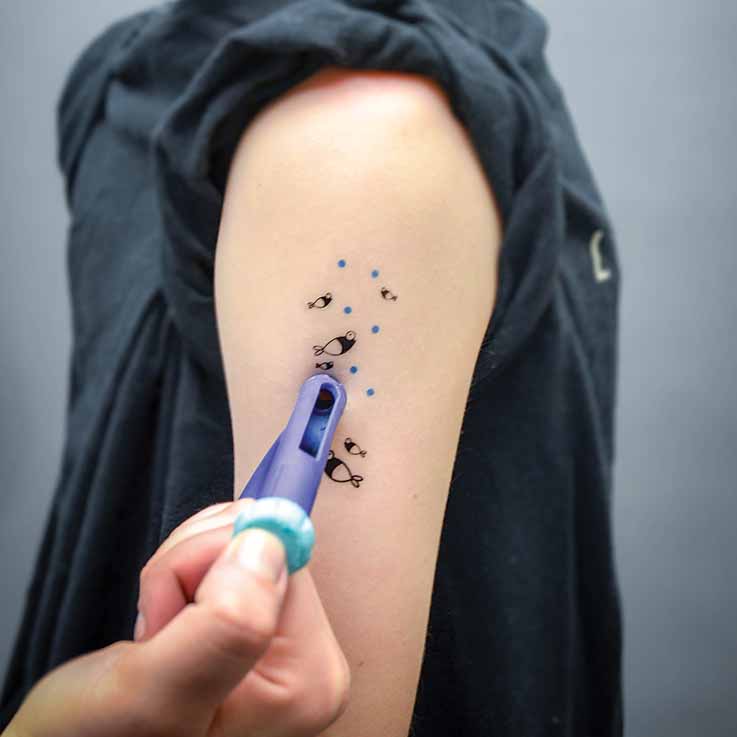
Thumy’s insulin kit helps children feel confident and comfortable administering their own medication.

charity: water’s sensor technology guarantees that potable water flows continuously to communities in need.

A change-management program on human resources development aimed at mid-career professionals is helping African companies expand.
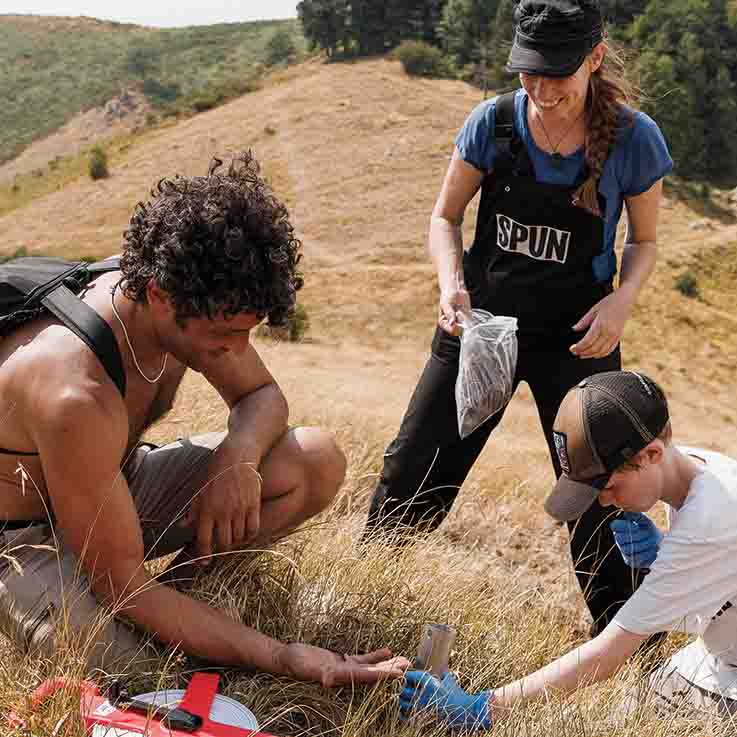
A network of scientists seeks to make the ecosystem of mycorrhizal fungi visible for their conservation.
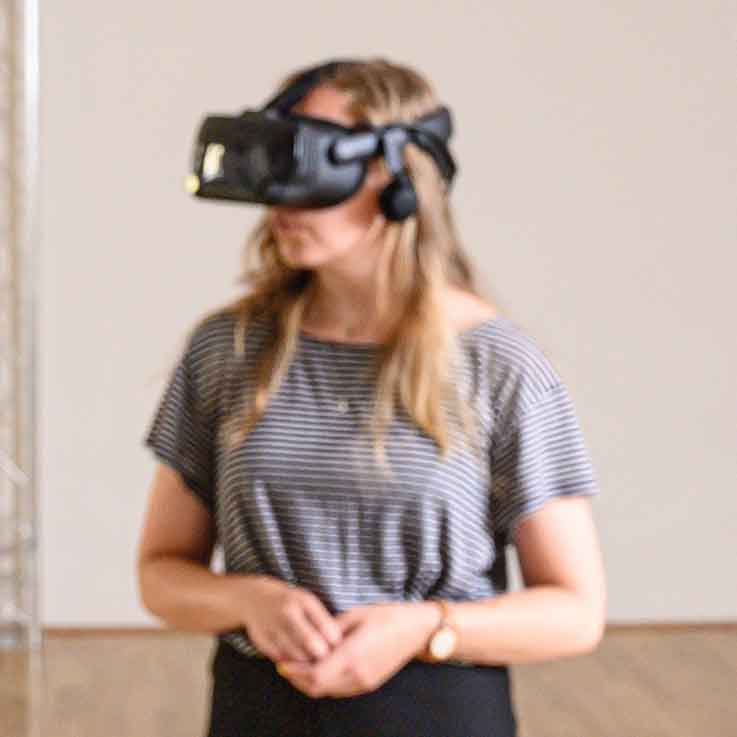
MAXLab designs simulations to examine how crime occurs and to imagine preventive measures to keep communities safe.
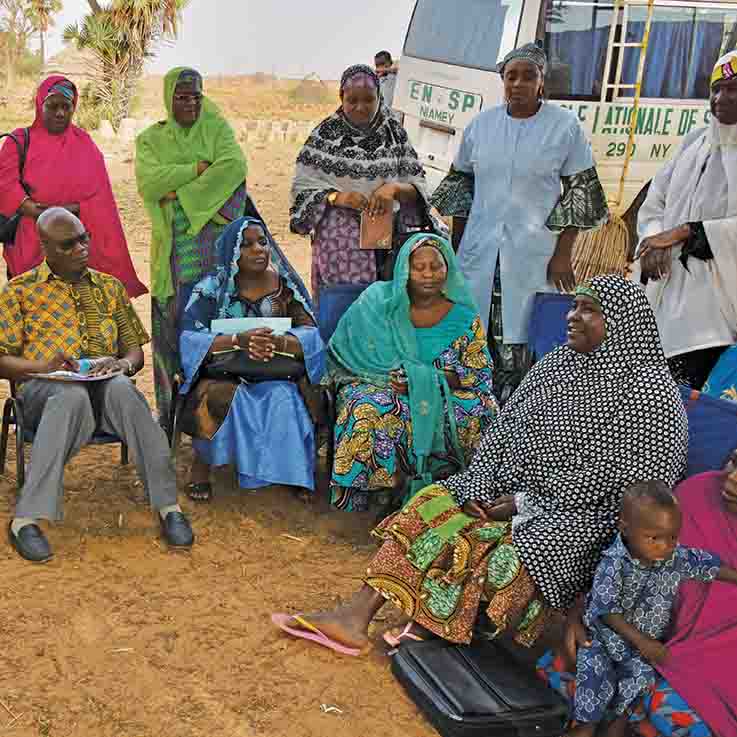
The Ouagadougou Partnership advances access to contraception from Mauritania to Benin.

Alain Werner and Hassan Bility have teamed up to pursue expat Liberians accused of horrific war crimes. They have succeeded in winning justice abroad, but can they secure justice in Liberia itself?
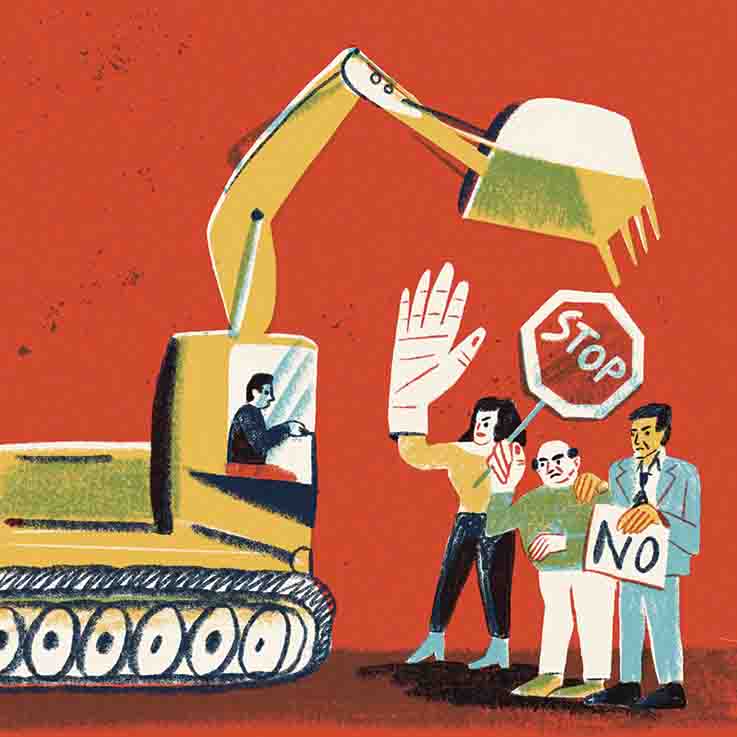
California’s housing crisis has its roots in the veto power of local governments and communities.