Civil Society
What Civil Society Needs
Without a healthy civil society it becomes difficult if not impossible to solve other, more readily apparent problems.
Innovations in the way that organizations use civil disobedience, protests, and other forms of activism to advance social progress

Without a healthy civil society it becomes difficult if not impossible to solve other, more readily apparent problems.
Three films, Waiting for “Superman”, The Lottery, and Teached, all of which provide a candid and critical look at U.S. public education, hit the big screen this year. Positioned to generate conversation and action about education reform, these documentaries take you into the lives of children and families who are struggling in a system that is failing them. 2010 Sundance Audience Award winner Waiting for “Superman” has garnered attention through its support from Bill Gates, Oprah Winfrey and Mark Zuckerberg, among others. This panel of filmmakers speaks on their experiences telling these powerful stories and offers ways for the audience to be part of the solution in their own communities and via media platforms. They spoke at the 2010 NewSchools Summit, an event convened by the NewSchools Venture Fund.
Does the nonprofit sector represens an untapped opportunity to leverage social media for social good among young people?
From concepts is his book, Market Rebels: How Activists Make or Break Radical Innovation, Stanford Professor Hayagreeva Rao presents the idea of market rebels—those that create radical innovations by challenging preexisting cultural norms. Social movements and activists create social innovation, transform markets, and bring about collective action through techniques that Rao introduces as “hot causes” and “cool mobilizations.” With case studies from the automobile industry, the microbrewery movement, and a campaign from a nonprofit health organization, Rao provides an outline of how market rebels apply these techniques to drive innovation. He spoke at the 2009 Nonprofit Management Institute, an event sponsored by the Stanford Social Innovation Review.

How the civil rights and education reform movements are similar.
What are the benefits of social media in the social change space?

With these seven levers, social entrepreneurs can foster change in everything from affordable housing to child welfare to poverty alleviation.
How people experience government programs directly affects their levels of civic engagement.
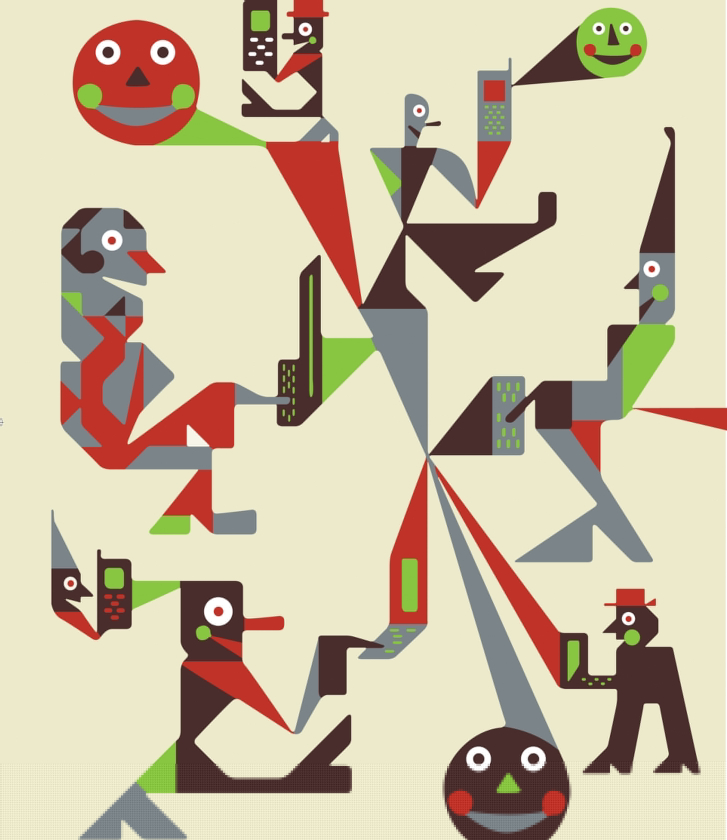
A few nonprofits are using social media to fundamentally change the way they work and increase their social impact.

MOVING POLITICS: Emotions and ACT UP’s Fight Against AIDS by Deborah B. Gould