


Nonprofits
She’s Crafty
World of Good connects female artisans in poor countries with retailers (including Whole Foods Market, pictured) in the West.
Understanding why people are poor and innovative ways to alleviate poverty
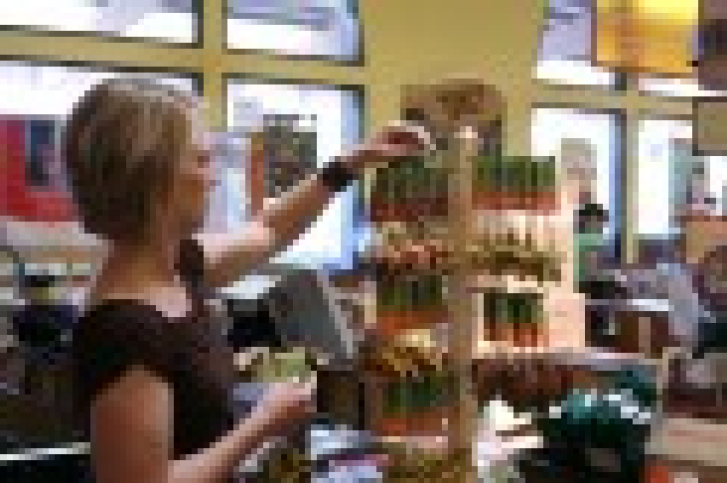
World of Good connects female artisans in poor countries with retailers (including Whole Foods Market, pictured) in the West.
A new index is creating a benchmark for comparing large-scale companies serving the markets for the very poorest.
Critics of microfinance institutions (MFIs) ask them to choose between helping the poor or making money for investors, but this is a false choice. MFIs can have their impact and profit, too, says the author, the CEO of the Grameen Foundation. He sketches a new vision of microfinance as a platform, not a product; one that relies on high volumes, not high margins, and that uses limits on private benefit, holistic performance standards, and third-party certification to help MFIs meet both their bottom lines.
Polak offers entrepreneurial solutions to poverty in Asia and Africa.
Nobel Peace Prize winner Mohammad Yunus aims for a more just society for all.
Conservative Protestants are poorer partly because of their religion.
Better practices in disaster relief involve market-orientated nonprofit organizations, or social-mission-orientated, for-profit companies, playing a more prominent role.
How do you assess the ability and willingness of the poor to pay for products and services that do not already exist, and how do you convince companies to take a risk on such a vast and fragmented market?

Why grassroots design will determine the winners in developing markets.