-
Foundations
The Value of Rigorous Evaluation
Rigorous evaluation can drive continuous learning and improvement.
-
Foundations
Foundation Learning: The Case for Productive Anxiety
A greater sense of urgency can help foundations better use their strategy and evaluation data to learn, unlearn, and improve.
-

Philanthropy
Measuring Impact Isn’t for Everyone
Collecting data to demonstrate your organization’s impact is great to do when you should, wasteful when you should not.
-
Philanthropy
Grantmaking, Public Policy…and Tums
Exemplary grantmakers follow evidence, not presumptions, and recognize that effective strategy requires transforming enough things, not everything.
-
Philanthropy
Strategic Planning and Evaluation: Tools for Realizing Results
To enable significant impact, organizations should ask three key questions and decide if formal planning and evaluation are the right approaches to finding the answers.
-
Philanthropy
Five Things Strategy Isn’t
The language, tools, processes, and practices of philanthropy have evolved steadily and dramatically, but strategy needs rescuing.
-
Philanthropy
Developing a Culture of Knowledge Management
The three types of data foundations need—and how they must use them.
-
Philanthropy
Rethinking the E Word
Broadening the definition of evidence can lead to more confident and informed philanthropic decisions.
-
Philanthropy
Three Lessons from 13 Years of Strategic Philanthropy
The complexity of social change is what makes strategic philanthropy valuable.
-
-
Philanthropy
Strategic Philanthropy and the Risk of Certainty
Strategic philanthropy has produced many great results, but we must not be too rigid in our adherence to certain practices.
Philanthropy
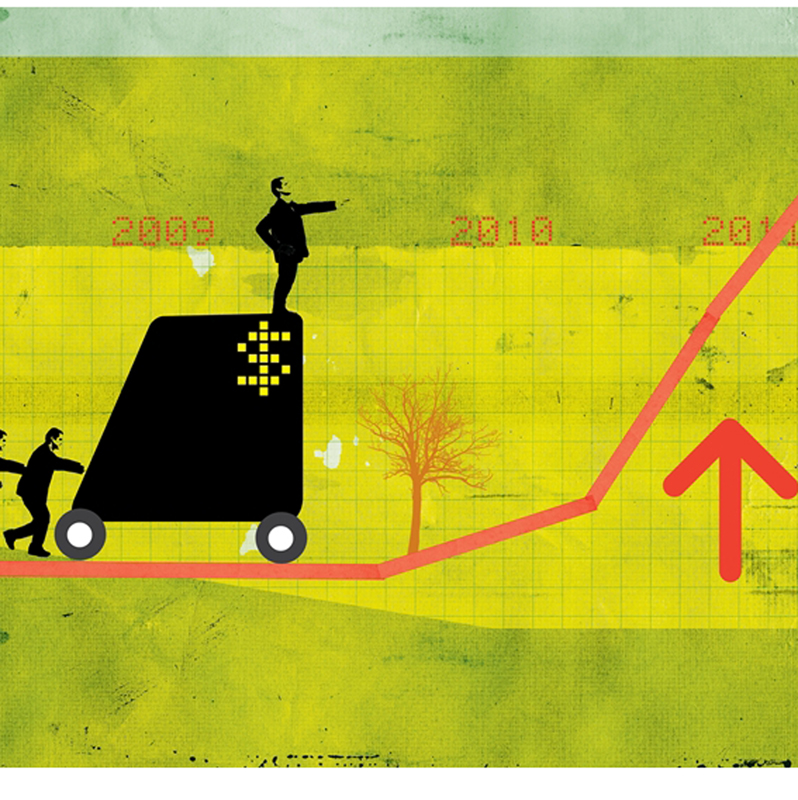
The Value of Strategic Planning & Evaluation
Over the past few decades, there has been much writing about the value of strategic planning and evaluation in philanthropy, and a seeming increase in the extent to which foundations engage in these practices. This movement has been qualified by cautions about the hazards of reducing all philanthropic goals to quantifiable metrics. It also has provoked a small but vehement backlash by commentators who contest the very idea of philanthropic strategies and measurable outcomes.
In this ongoing series of essays, practitioners, consultants, and academics explore the value of strategy and evaluation, as well as the limits and downsides of these practices. Our goal is to stimulate a dialog among those who would like to advance thinking and practice in the field.
This series is curated by Paul Brest, emeritus professor at Stanford Law School, Stanford PACS faculty co-director, and former president of the William and Flora Hewlett Foundation.