Leadership
If You Want to Teach Social Innovation, Teach Power
Lessons from Wesleyan on entrepreneurial education

What two mergers taught us about the necessary conditions and hard truths that come after "yes."
Lessons from Wesleyan on entrepreneurial education

A theater director transformed an abandoned newsstand into a radically new theatrical experience that is helping to revive the historic center of a Southern Italian town.
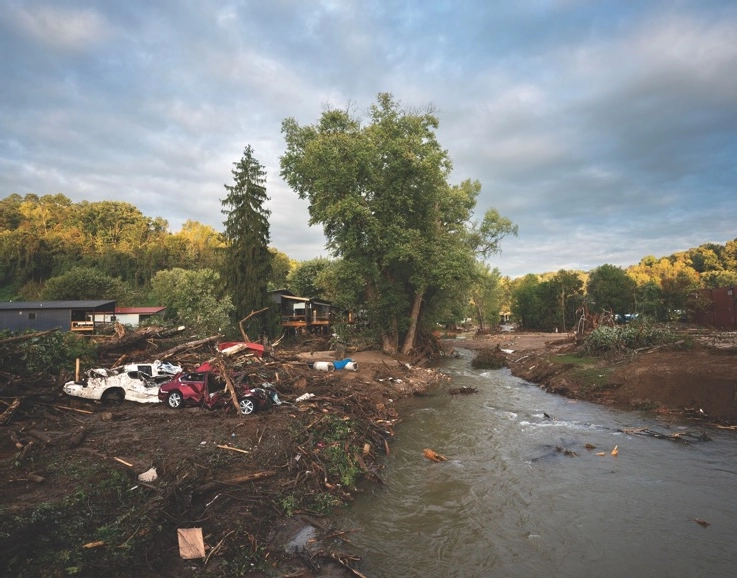
Appalachia's trust-based recovery from climate disaster offers a vision of the future and a road map to follow, for anywhere in the world where underdeveloped infrastructure is exposed to climate volatility.

School-based models for developing talent won’t provide the skillful, resilient people every society will need going forward. We argue for building civic architecture that recognizes learning whenever and wherever it occurs.

“Companies that prove it’s possible to deliver audacious social change and long-term financial sustainability deserve a language, a metric, and a measure of success worthy of what they’ve built.”

As the industry and its financial model become increasingly precarious, a reimagining of how performing arts organizations can operate more efficiently is critical for survival.

Due to regulatory complexity, the charitable deduction has become a mirage. Only through careful planning can donors optimize their giving.

Many social impact leaders feel pressure to engage with AI but are overwhelmed and lack a clear starting point. Four fundamental questions can help frame early conversations, grounding AI strategy in purpose, organizational capacity, and values.

Choosing the right path to scale depends on the nature of the problem we're trying to solve.

What SSIR readers are saying about articles on billionaires and their philanthropy.

Rodgers Oloo Magutha, 28, has become a local celebrity for rescuing and rehabilitating injured and orphaned wild birds in his one-room apartment in Nairobi.

There's validity to the common explanations for the "vibecession," but articles in this issue go deeper into the longer-term loss of agency, growing disbelief in upward mobility, and instability at the root of many people's lives.

Microfinance isn’t a cure-all solution to poverty, but abandoning it would ignore the real evidence that responsible financial services make a positive, lasting impact on people’s lives.

The problems are big, the time is short, and the resources are limited.
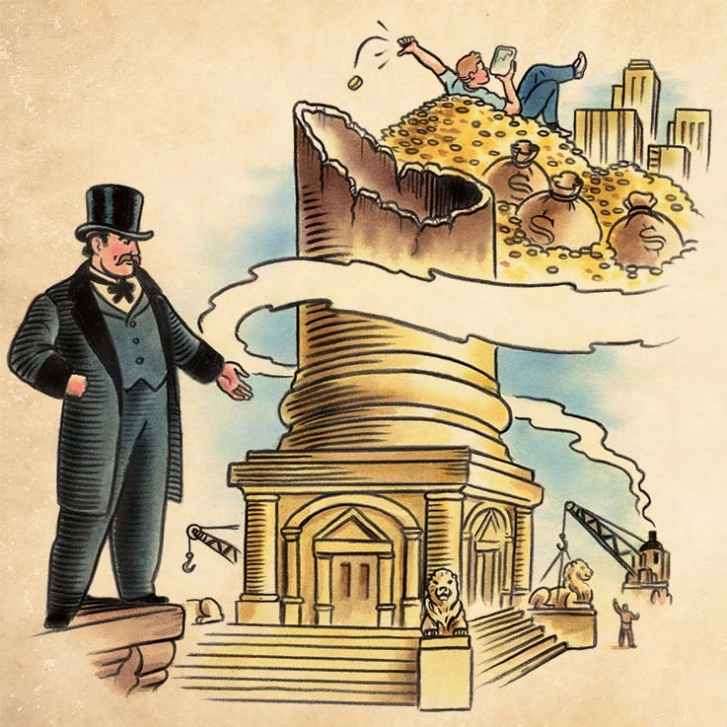
The United States is living through a second Gilded Age. But unlike yesterday's magnates, today's billionaires prefer to write checks to existing organizations. They should instead build institutions that last.

Why the ghost of Paul Farmer wants you scaring the horses at Skoll

In a world that no longer behaves like a scalable system, success must be something other than growth.

Social innovation means building a road to the future that doesn't yet exist, without lowering standards.